Decades of waiting vanished in a hospital room. Justice delayed isn't always justice served. Sometimes, time simply runs out.
A high-profile Hong Kong court case collapsed when the sole defendant in a deadly 1991 armed robbery trial died of cancer. Wen Wenye was 62 years old. He spent over thirty years running from a botched jewelry store heist in Sham Shui Po. When he finally walked into a police trap at the border in 2023, authorities thought closure had arrived for the family of the slain employee. Instead, the legal system collided with terminal illness. For a closer look into similar topics, we suggest: this related article.
The Anatomy of a Cold Case from 1991
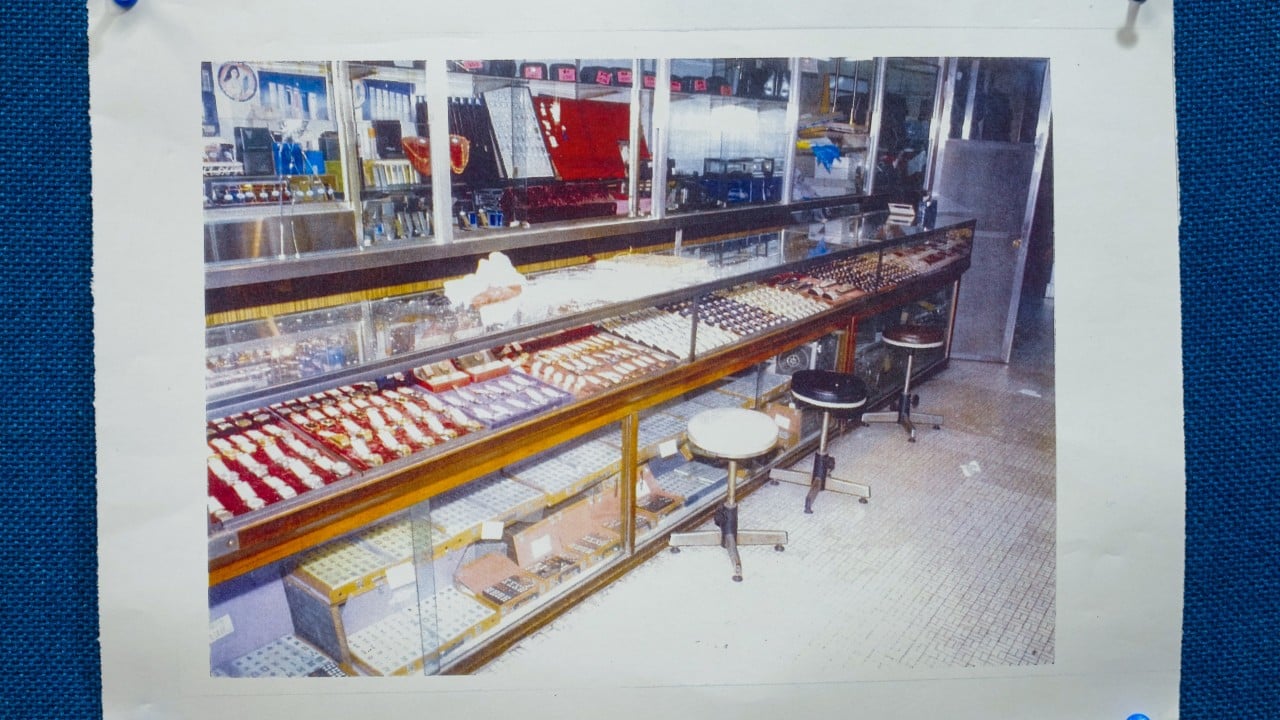
Back in 1991, the streets of Sham Shui Po looked and felt entirely different. On Pei Ho Street, three armed men marched into Shun Fat Company, a local watch and second-hand goods shop. They wanted quick cash. They got chaos instead.
During the botched raid, one of the robbers fired a weapon. A 52-year-old male staff member died on the spot. The trio panicked and bolted empty-handed, leaving behind a murder scene and decades of unanswered questions. The case went cold. The suspects vanished into the mainland or blended into the shadows. For broader details on the matter, extensive reporting is available at The Washington Post.
For more than thirty years, the trail stayed cold. Investigators had little to go on until late 2023. Wen walked right into the border checkpoint while trying to enter Hong Kong from Shenzhen. Law enforcement officers flagged his identity. They slapped him with one count of murder and one count of attempted robbery.
When Terminal Illness Halts the High Court
The trial opened at the High Court before Judge William Tam (also known as Judge Tam Yiu-ho). But the courtroom drama hit an immediate wall. Wen wasn't just old. He was dying.
Medical evaluations painted a grim picture. Wen suffered from terminal lung adenocarcinoma that had aggressively metastasized to his brain. The cancer caused severe cognitive impairment. According to defense submissions, surgery and heavy illness left him unable to remember the 1991 shooting. He couldn't comprehend the charges against him. He had no capacity to understand whether he should plead guilty or not guilty.
Under Hong Kong legal standards, a defendant must be mentally and physically competent to stand trial. They need to follow court procedures, instruct their lawyers, and understand the gravity of the accusations. If a defendant cannot grasp these basic elements, the trial cannot proceed normally.
Judge Tam instructed the jury to carefully weigh these medical realities. After deliberating for roughly half an hour, the jury unanimously ruled that Wen was entirely unfit to plead or stand trial.
The Legal Limbo of Unfit Defendants
People often assume an unfit verdict means a walk-free card. That is completely false.
Hong Kong law maintains distinct procedures for defendants who are medically incapacitated. The prosecution normally still presents core evidence to prove whether the physical acts of the offense actually happened. Legal experts note that an unfit ruling doesn't magically clear someone's name. It simply changes how the court handles the fact-finding mission.
We have seen this legal mechanism before. In 2016, a care home resident suffering from advanced dementia killed a roommate with a metal drain cover. The jury deemed him unfit for trial, leading to an order for secure psychiatric confinement at Castle Peak Hospital rather than a standard prison sentence. Similarly, in 2018, a 93-year-old doctor named Li Wang-pong faced manslaughter charges after a botox injection went fatal. A jury reached the same conclusion about his fitness, resulting in an unconditional release due to his profound medical state.
For Wen Wenye, the court system prepared to evaluate the 1991 evidence despite his incapacity. But cancer moved faster than the judiciary. Before the legal machinery could finish its alternative path, Wen succumbed to his lung cancer.
The Reality of Cold Case Prosecutions
Bringing suspects back decades after a crime sounds like a victory for law enforcement. Reality is much messier. Witnesses die. Memories fade. Evidence degrades. When you add terminal illness into the mix, long-delayed trials frequently dissolve before a verdict can ever be read into the record.
The victims of the 1991 Sham Shui Po robbery never got a courtroom conviction. The legal chapter is closed now, sealed permanently by mortality rather than a judge's hammer.