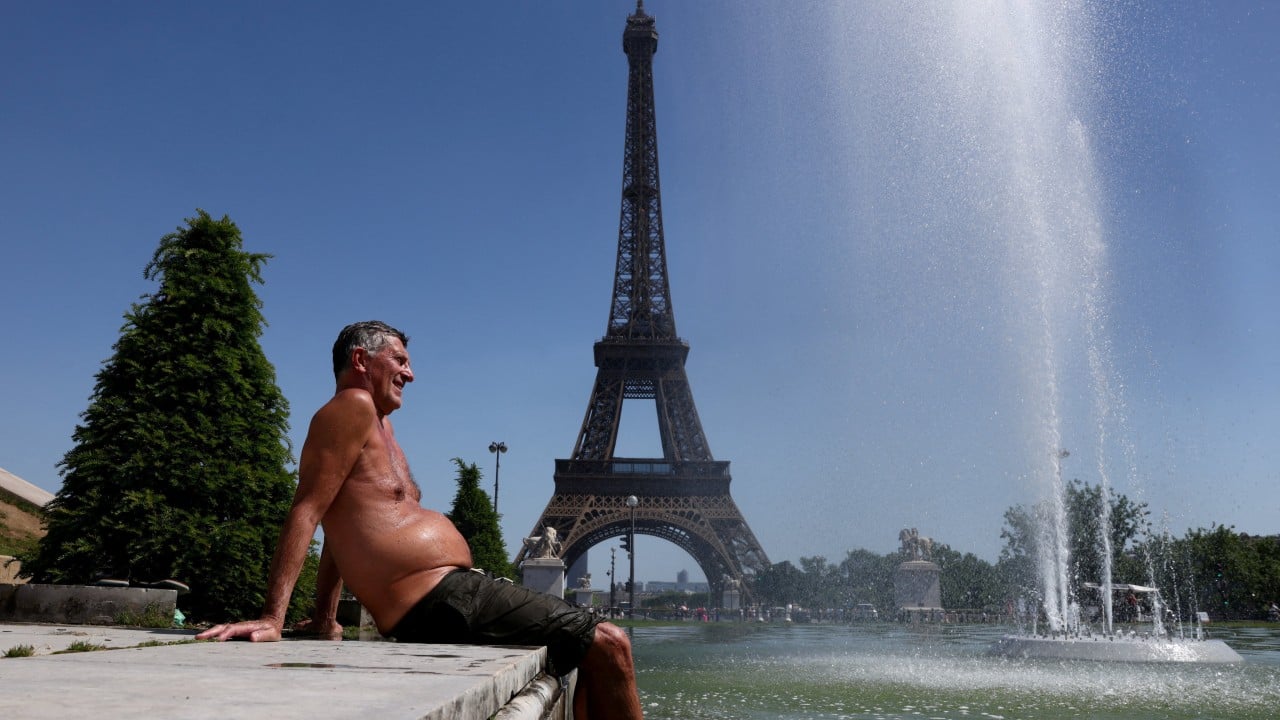
You've packed your bags for a dream summer vacation in Rome or Paris. You imagine walking down cobblestone streets, sipping espresso at an outdoor cafe, and visiting iconic landmarks. But when you step off the plane, a wall of suffocating heat hits you. The thermometer reads 40°C (104°F). The asphalt is radiating heat like an oven, the trains are canceled, and local officials are telling everyone to stay inside.
This isn't a worst-case scenario for the distant future. It's happening right now across Europe.
An intense, early-season heatwave driven by a massive high-pressure system known as the African anticyclone is trapping scorching air from the Sahara Desert directly over western and central Europe. This meteorological phenomenon creates a heat dome, compressing and baking the air day after day. As temperatures soar to unprecedented levels for June, the continent's infrastructure, tourism economy, and fragile ecosystems are hitting a breaking point.
If you plan to travel to Europe or want to understand how climate shifts are altering global travel, you need to know what's happening on the ground and how to adapt.
The Physical Breakdown of European Infrastructure
Most people don't realize how poorly equipped European cities are for sustained extreme heat. Unlike many regions in the US or Asia, residential and public spaces across Europe traditionally lacked widespread air conditioning because of historically mild summers. When a heat dome strikes, there's simply nowhere to hide.
The transportation networks are failing under the strain. In France, the state-owned railway operator SNCF had to cancel dozens of intercity trains because extreme heat risks warping the metal tracks and expanding overhead power lines. When steel tracks get too hot, they buckle, creating a massive risk for high-speed travel. Jean Castex, the head of SNCF, had to mobilize over 5,000 staff members just to monitor the physical lines and stand by for emergency repairs, urging vulnerable passengers to stay home entirely.
It's not just trains. Public events, sports matches, and cultural festivals are getting axed or heavily modified. During France's historic Fête de la Musique, authorities had to restrict public alcohol consumption and shut down venues in red-alert zones just to keep people from collapsing of dehydration.
The Reality at Major Tourist Sites
If you're visiting Europe during these spikes, your itinerary won't look like you planned. Tourism hotspots are turning into survival exercises.
- Rome and Florence: Italian authorities expanded their highest "red alert" warnings across major cities like Milan, Turin, Bologna, and Florence. At the Colosseum and St. Peter's Square, the experience consists of huddled crowds under umbrellas trying to shield themselves from a blazing sun while lining up for public water fountains.
- Paris: Misting stations have been hastily erected around the Eiffel Tower to cool down sweltering crowds. Swimming in forbidden urban waterways has spiked as desperate locals and tourists look for any relief.
- Madrid: Visitors at the famous El Rastro flea market now navigate the stalls holding portable electric fans and buying bottled water every few minutes just to make it through the morning.
The World Health Organization (WHO) recently pointed out that over 200,000 people died from heat-related causes in Europe over a four-year period. Most of these deaths were entirely preventable. When you're walking miles a day as a tourist, heat exhaustion can turn into life-threatening heat stroke incredibly fast.
Wildlife and Ecosystems in Critical Condition
While human infrastructure struggles, local wildlife is facing an outright catastrophe. Natural ecosystems can't adapt to a sudden 40°C spike, especially during the crucial spring and early summer breeding seasons.
The impact on birds is particularly gruesome. Wildlife rescue centers, such as the CREAVES center near Namur, Belgium, have been completely overwhelmed by an influx of heat-stressed animals. Young nestlings are literally cooking alive inside their nests. In a desperate bid to survive, these baby birds jump from their nests before they can fly, falling to the ground where they face dehydration or predators.
Larger animals aren't faring much better. Across European agricultural belts, farmers are resorting to industrial fans and water sprinklers inside barns just to keep livestock alive and prevent milk production from crashing. The surrounding forests and grasslands are drying out into tinderboxes, putting emergency services and military forces on high alert for catastrophic wildfires.
How to Navigate a European Heatwave
If you already have trips booked or need to travel during these extreme summer blocks, you can't use the old travel playbook. You have to change how you move, eat, and plan your days.
Shift Your Schedule to the Mediterranean Style
Don't try to sightsee between 11:00 AM and 4:00 PM. Do your walking tours at 8:00 AM or after 7:00 PM. Take a long afternoon rest indoors where there's functioning climate control.
Vet Your Accommodations
Never assume a European hotel or vacation rental has air conditioning. Check the listing details explicitly. Read recent reviews from summer guests to confirm that the cooling units actually work and aren't just weak desktop fans.
Monitor Real-Time Local Alerts
Don't rely solely on your standard phone weather app. Check local meteorological agencies like AEMET in Spain or Météo-France for official color-coded warnings. If an area is under a red alert, cancel your outdoor excursions.
Understand the Signs of Heat Illness
Know the difference between heat exhaustion (heavy sweating, dizziness, rapid pulse, nausea) and heat stroke (high body temperature, confusion, dry skin or hot sweating, loss of consciousness). If someone stops sweating or acts confused, it's a medical emergency. Call local emergency numbers immediately (112 in the European Union).
The days of predictable, pleasant European summer vacations are fading. As heat domes become a recurring feature of the continent's climate, travelers must prioritize safety and flexibility over rigid itineraries. Pack light clothing, download the local transit apps to check for cancellations, and always know where your next source of shade and clean water is located.