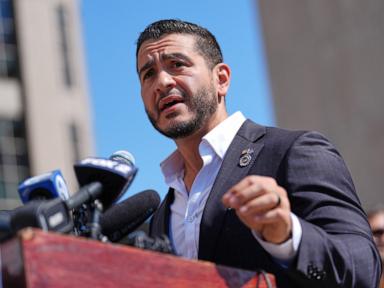
Money doesn't always buy elections. Sometimes, grassroots energy crashes through a wall of tens of millions of dollars and leaves political consultants scrambling to rewrite their playbooks.
Abdul El-Sayed just pulled off one of the biggest upsets in recent primary history. By defeating centrist Representative Haley Stevens in Michigan's high-stakes Democratic Senate primary, the progressive physician and former public health official proved that an anti-establishment message can still resonate deeply—even when outspent by historic margins.
Yet, winning the nomination is only half the battle. Now comes the brutal reality of uniting a fractured party before facing Republican nominee Mike Rogers in November.
The Anatomy of a Massive Primary Upset
If you watched the race closely, you saw an avalanche of outside cash. Super PACs and corporate special interests poured roughly $70 million into the primary, heavily targeting El-Sayed. Representative Stevens, backed by powerful establishment figures like Senate Minority Leader Chuck Schumer, positioned herself as a pragmatic manufacturing advocate.
El-Sayed ran on a completely different frequency. His core platform was simple: get money out of politics, pass Medicare for All, and put cash back into working families' pockets. When outside groups flooded the airwaves with attack ads, it backfired. Voters saw it as billionaire-backed interference, turning El-Sayed's central thesis about corrupting money into a living, breathing reality.
He didn't win by playing it safe. He racked up crucial endorsements from progressive heavyweights like Senator Bernie Sanders and secured the backing of the United Auto Workers (UAW), a major blow to Stevens's home turf credentials.
The Coalition Test Nobody Wants to Talk About
El-Sayed won, but the margin was razor-thin. That closeness tells a story about a deeply divided party.
Progressives are celebrating a structural breakthrough. They see a candidate who can energize young voters, urban progressive hubs like Ann Arbor, and highly educated demographics. But establishment Democrats are sweating. They worry that a firebrand progressive is too far left for a critical purple swing state.
To beat Mike Rogers in the general election, El-Sayed has to bridge a massive enthusiasm gap. He cannot rely solely on the progressive base that pushed him over the finish line in August. He has to win over moderate suburbanites who pulled the lever for Stevens just days ago.
What Happens Next in Michigan
Party unity isn't optional anymore. Schumer and other national leaders have already offered public congratulations, stressing a shared goal of keeping the seat blue and checking Donald Trump's agenda. But translating a tense primary truce into active volunteer turnout on the ground requires real work.
El-Sayed must pivot quickly from insurgent challenger to a broad-tent nominee. He needs to convince skeptical business owners and moderate union households that his economic populist vision includes them.
Stop waiting for party unity to happen automatically. The real test of modern political leadership is whether an outsider can heal the wounds of a brutal primary before the clock runs out in November.
Who Is Abdul El-Sayed? Michigan Based Palestinian-American Who Won Democrate Primary Elections
This video provides an overview of Abdul El-Sayed's background and his historic primary victory in Michigan.
http://googleusercontent.com/youtube_content/1