When a drone strike hits a busy marketplace, the numbers are only part of the tragedy. Over 150 people are dead following an attack on the Amiet Market in the disputed Abyei region, sitting right on the border between Sudan and South Sudan. A fuel depot went up in flames, trapping shoppers, traders, and ordinary citizens in a disaster that highlights how far the Sudanese civil war has expanded beyond its initial urban borders.
If you've been following the conflict since it broke out in April 2023 between the Sudanese military and the paramilitary Rapid Support Forces (RSF), you know the devastation has largely centered around Khartoum and other major cities. This latest catastrophe in Abyei shifts the spotlight to a volatile border zone that has long lacked a permanent political resolution.
The Anatomy of the Strike
The attack happened around mid-morning on a Monday, striking a critical trading hub that serves both the Ngok Dinka and Misseriya communities. According to local officials, including Yohanna Akol Ngor who serves as the caretaker information minister for the Abyei administration, the strike triggered a massive fire at a local fuel depot that continued burning well into Tuesday.
Official accounts differ wildly, as they often do in active war zones. A senior Sudanese military officer defended the operation, stating that the target was a convoy of fuel tankers coming from South Sudan intended for the RSF. The military maintains that those killed were combatants and fuel smugglers, flatly denying that civilians were the intended target.
Independent verification remains nearly impossible on the ground, but humanitarian organizations paint a very different picture of the aftermath.
The Human Toll on the Ground
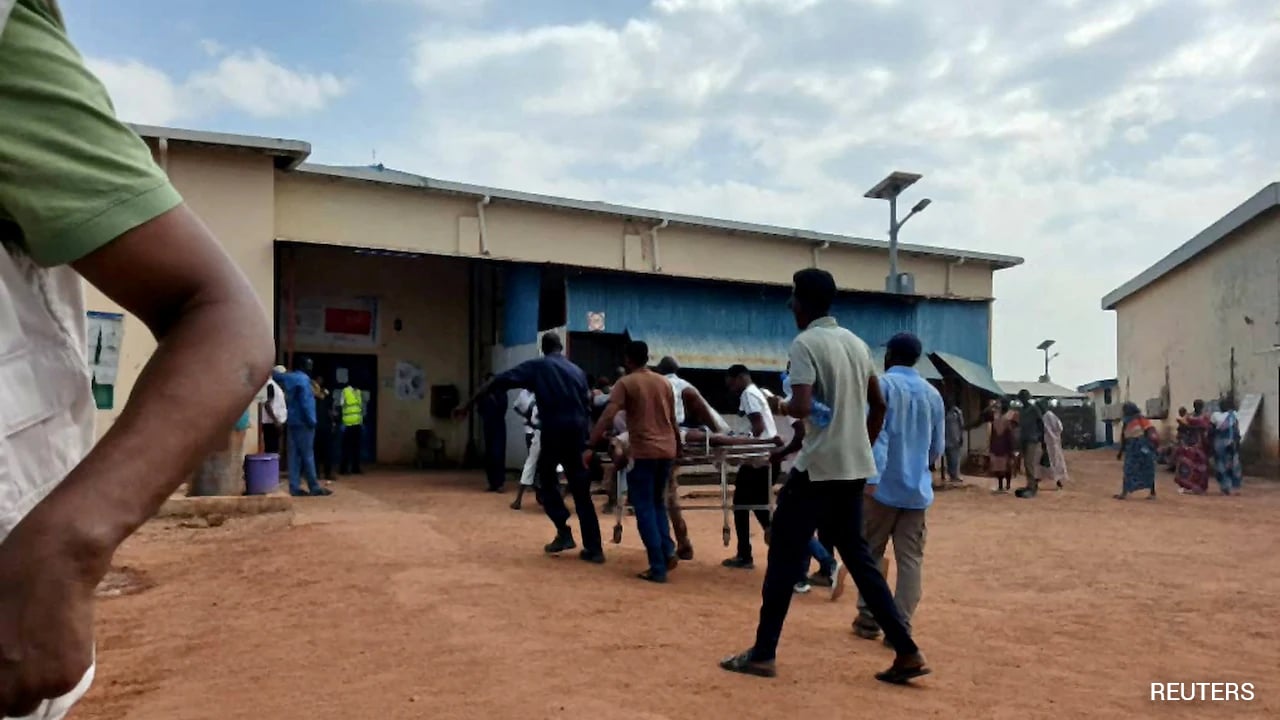
Doctors Without Borders, known internationally as MSF, rushed teams to Ameth Bek Hospital alongside staff from South Sudan's Ministry of Health. More than 20 patients arrived with severe injuries, including critical burns. Medical workers are overwhelmed, and United Nations officials note that the true casualty count continues to climb as peacekeepers from the UN Interim Security Force for Abyei (UNISFA) try to verify bodies and locate the missing.
The United Nations secretary-general issued sharp condemnations regarding drone strikes near Amiet Market and Todach, emphasizing that women and children are among the dead. Meanwhile, South Sudan's Foreign Ministry summoned the Sudanese ambassador to deliver a formal protest, demanding that Khartoum stop endangering civilian lives and respect diplomatic channels for any border grievances.
Why Abyei Remains a Powder Keg
To understand why a strike like this is so dangerous, you have to look at Abyei's unique geopolitical status. Rich in oil, its ownership was left unresolved following the 2005 peace agreement that ended decades of civil war. When South Sudan gained independence in 2011, the status of Abyei remained deadlocked because a planned referendum stalled over voter eligibility disputes.
The local Ngok Dinka population wants to align with South Sudan, while Misseriya nomads who rely on the region's pastures favor Sudan. Add competing communal tensions, such as historic land clashes between the Ngok Dinka and Twic Dinka communities, and you have a fragile ecosystem that cannot handle military escalation.
When a national civil war bleeds into an already contested, heavily armed border territory, marketplaces turn into front lines.
What Comes Next for the Region
The immediate priority for peacekeeping forces is containing the fires, treating burn victims, and keeping remaining medical supply routes open. However, diplomatic fallout between Sudan and South Sudan threatens to widen the instability. If Juba and Khartoum fail to de-escalate tensions along the border, humanitarian access will worsen rapidly.
Aid agencies are calling on all armed actors to respect civilian infrastructure and guarantee safe passage for emergency workers. Monitor diplomatic developments between Sudan and South Sudan closely over the coming days to see if regional bodies can broker a buffer against further border violence.