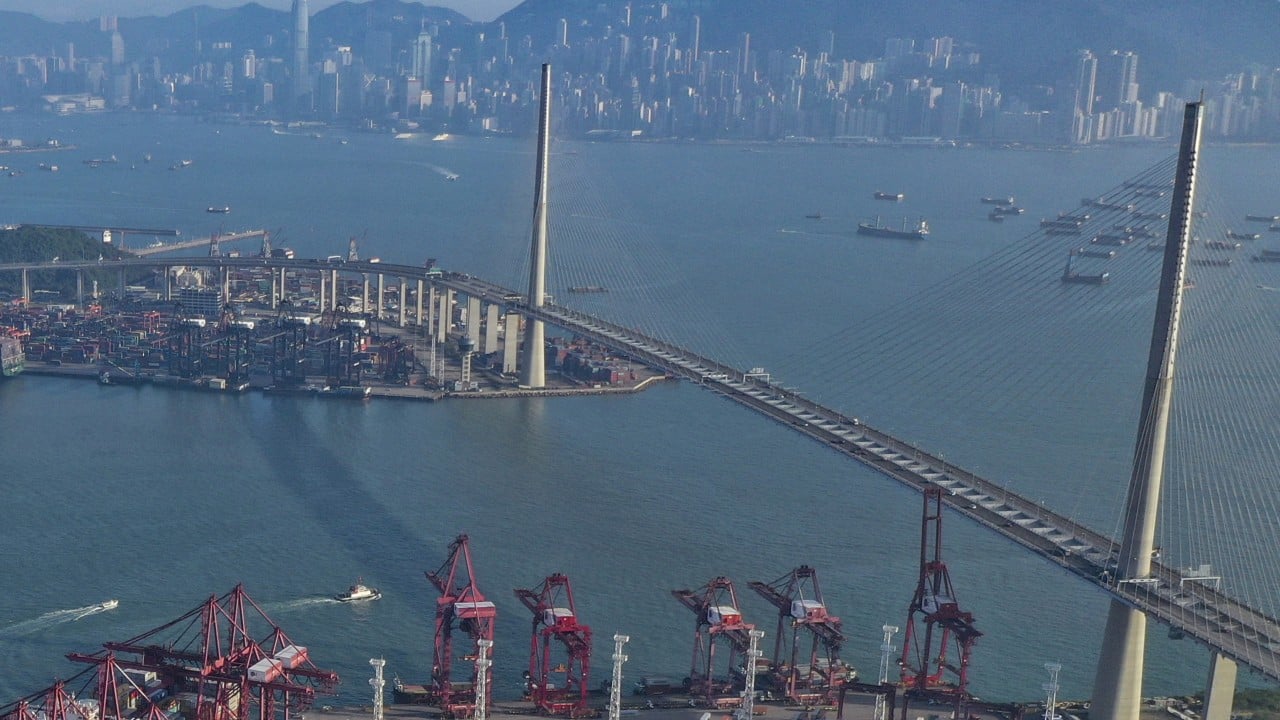
Bodies don't just appear in the industrial channels of Hong Kong without a story, yet emergency responders are too often left facing blank walls. When a man was found dead in the waters off Stonecutters Island, it immediately triggered the usual scramble by law enforcement to piece together fragments of an unexplained maritime fatality.
Let's look at how these investigations actually unfold behind closed doors.
The Reality of Maritime Investigations in Hong Kong Waters
When marine police and fire services pull an unresponsive body from industrial shipping lanes like those surrounding Stonecutters Island, the clock starts ticking immediately. Time erodes physical evidence. Currents in Victoria Harbour and its surrounding channels move fast, meaning the spot where a person enters the water rarely matches where they surface.
Detectives don't rely on guesswork. They look at a specific set of operational indicators right away:
- Tidal telemetry: Marine commissioners map local currents to trace drift patterns backward.
- Vessel logs: Commercial traffic, container ships, and local working junks in the Kwai Tsing container terminal area are checked for any reported man-overboard incidents.
- CCTV integration: The expanding network of surveillance eyes across Hong Kong's waterfronts helps narrow down timelines, though blind spots near industrial piers remain a massive hurdle.
Why Stonecutters Island Presents Unique Challenges
Stonecutters Island isn't a sleepy beach resort. It is a heavily militarized and industrialized maritime hub connected to major infrastructure projects and container ports. Security is tight, but public access points, pier edges, and working zones create distinct safety hazards.
If you have ever walked the perimeter of Hong Kong's working docks, you know how slippery, poorly lit, and unforgiving the concrete seawalls can be. Accidental slips happen. Industrial workers, late-night anglers, and trespassers face severe risks when conditions turn foul or visibility drops.
The Process Beyond the Recovery
Once the initial retrieval happens, the case shifts from a rescue operation to a forensic puzzle handled by the Regional Crime Unit.
Pathologists run full toxicological screens and post-mortem examinations to determine whether drowning was primary or secondary to another medical event. Police issue public appeals asking for identification, cross-referencing missing persons reports filed across the New Territories and Kowloon districts.
Most cases like this stay classified under the cold category of "body discovered" until forensic evidence points definitively toward foul play or rules it out entirely.
If you or someone you know is struggling with overwhelming stress, emergency help lines like the Samaritans Hong Kong are available around the clock at 2896 0000. Never ignore warning signs when safety or mental health is on the line.