If you logged off on Friday thinking the biggest news you missed this weekend was a quiet Thanksgiving warmup, you missed a seismic shift in Washington and a diplomatic breakdown halfway across the world. House Democrats just locked up at least 258 seats after Chuck Hubbard defeated longtime Republican Rep. Virginia Foxx in North Carolina, handing the party its largest House majority since 1992. Meanwhile, global climate talks at COP31 in Antalya, Turkey, collapsed in overtime after countries couldn't even agree on mentioning fossil fuels, and tensions with Iran kept diplomats and military planners on edge.
Weekend roundups usually skim the surface. They hand you ten headlines in five minutes and leave you wondering what actually changes for your wallet, your travel plans, or the next two years of government. I've spent years watching how fast breaking weekend stories get distorted by rushed summaries, and honestly, the real story this Sunday isn't just what happened. It's how all of these threads collide heading into winter.
How a North Carolina Recount Sealed a Historic House Majority
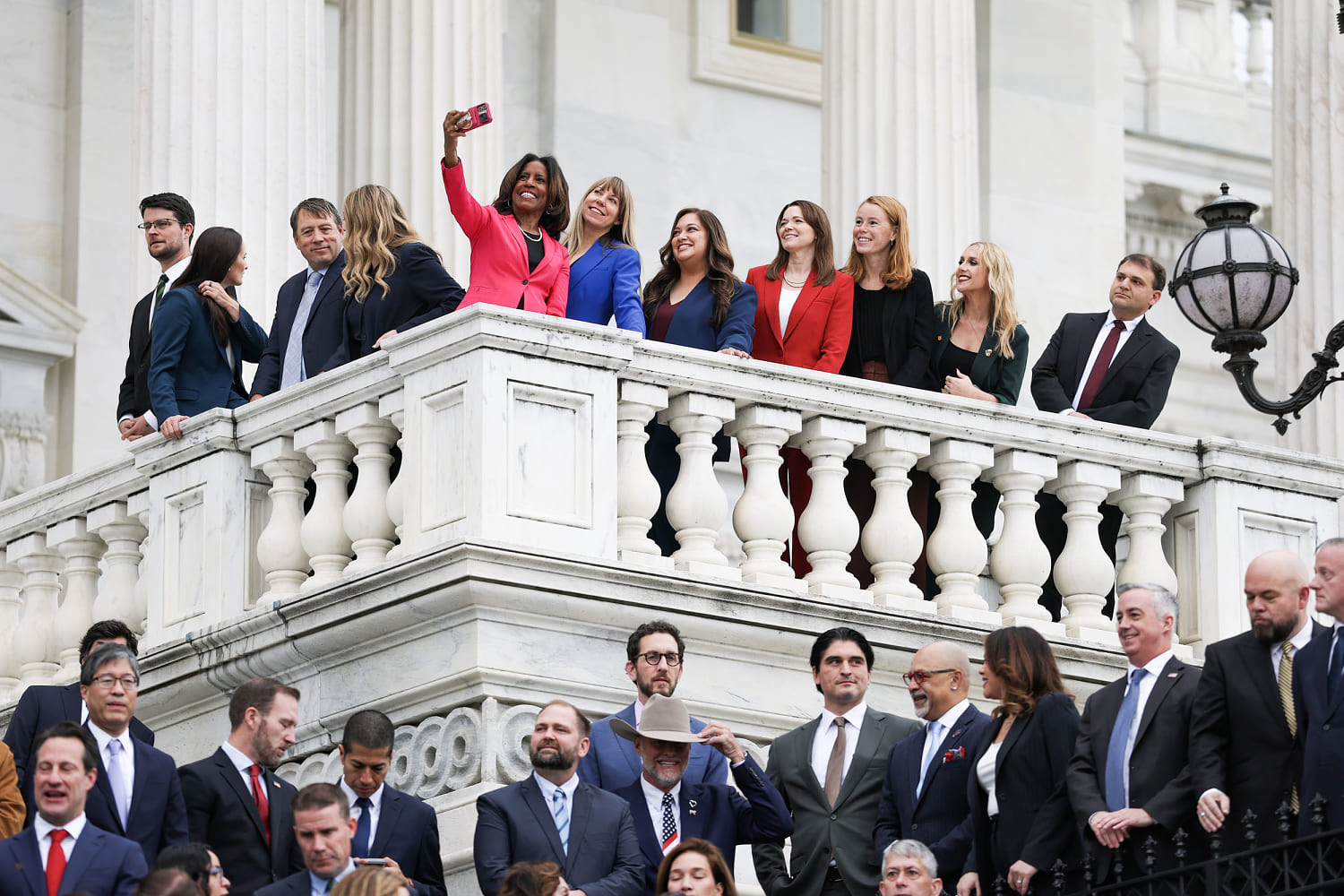
Nineteen days after Election Day, the dust finally settled in North Carolina's Fifth District. Democrat Chuck Hubbard edged out GOP Rep. Virginia Foxx following a recount, pushing House Democrats to at least 258 seats. That isn't just a routine midterm swing. It's a net gain of 44 House seats—surpassing the 40-seat pickup Democrats posted in 2018—and gives the party its biggest House majority this century.
When you look closely at how close that race was, it tells you everything about why post-election counting takes patience. Foxx had a narrow lead early in the count on November 10, only for provisional ballots and county canvasses to flip the margin in Hubbard's favor by 331 votes across nearly 287,000 ballots cast, with a machine recount trimming that edge slightly to 329 votes before Foxx conceded on Sunday. People love instant gratification on election night, yet tight districts routinely swing on late tallies and recounts. Rushing to call close races before every legal step wraps up is one of the biggest mistakes media outlets and armchair analysts keep making.
With Hakeem Jeffries positioned to become the first Black Speaker of the House and Democrats also preparing to take control of the Senate in January, Republicans are running out of runway for any last party-line spending push before the new Congress is sworn in on January 3. At the same time, four House races—one each in Minnesota and Tennessee, plus two December runoffs in Louisiana—still have final outcomes to settle.
Healthcare Battles and Crypto Conflicts Hit the Spotlight
Big majorities don't automatically mean smooth sailing, and you can already see the political fault lines forming. Sen.-elect Abdul El-Sayed of Michigan has been pushing for universal healthcare under the provocative label "Trumpcare," drawing a response from President Donald Trump on Saturday. Whether that banter turns into real legislation or stays pure political theater is an open question, especially given how polarized Washington remains.
On another front, Trump hosted a third private dinner at his Virginia golf club on Sunday night for top holders of his $TRUMP meme coin, drawing sharp criticism from Democrats over potential conflicts of interest. Interestingly, reporting from The Washington Post and BeInCrypto noted that a token holder qualified for the event with $518 worth of tokens—a steep drop from the $55,000 threshold seen at an earlier May 2025 gathering, with only 130 wallets on the final leaderboard. That contrast matters. Political controversies get loud headlines, while quieter numbers like falling entry thresholds hint at shifting market appetite.
Why the COP31 Climate Summit Fell Apart in Overtime
Across the Atlantic in Antalya, Turkey, COP31 dragged roughly 50 hours past its scheduled finish before ending on Sunday without an overarching deal—the longest overtime in U.N. climate summit history and the first major U.N. climate gathering without an agreement since Copenhagen in 2009.
The core fight was basic, yet fundamental: whether the final text would explicitly call for transitioning away from fossil fuels. Delegates from the European Union, the United Kingdom, and several developing nations rejected a draft that omitted direct language on fossil fuels, with Ireland's climate minister Darragh O'Brien arguing on behalf of the EU that a climate decision ignoring fossil fuels fails to meet the science. Meanwhile, countries including Russia and Saudi Arabia pushed back against language calling for a fossil fuel phase-out.
Here's why that breakdown stings beyond diplomatic embarrassment. As international environmental law scholar Lavanya Rajamani of the University of Oxford—who helped draft the Paris Agreement—pointed out, the gap between climate science and political willingness has rarely looked wider, with global warming tracking toward exceeding 1.5°C above preindustrial levels in the coming years. Consensus-based summits are great when governments want to compromise, but when major producers and major emitters draw hard lines in opposite directions, the process can stall completely.
Middle East Tensions, Market Jitters, and Kitchen-Table Pressures
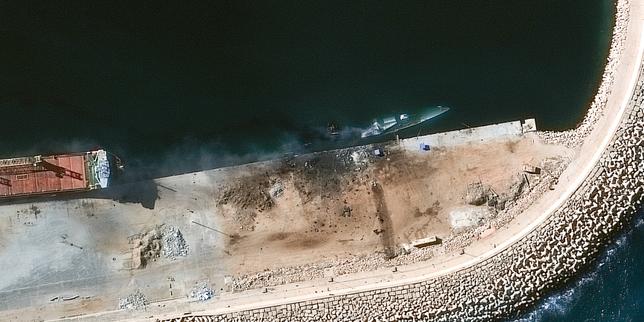
Foreign policy didn't take a Sunday break either. Reporting this weekend highlighted ongoing friction involving Iran, naval blockades, and regional mediation, with President Trump signaling in weekend interviews that he wants a deal yet is weighing whether major military moves could wait until after the New Year if talks fail, even as Israeli leadership presses for faster action and regional mediators like Qatar, Egypt, Turkey, and Saudi Arabia work to keep diplomatic channels open. Whenever conflict timelines, shipping lanes, and diplomatic backchannels overlap, markets and travelers feel the ripple effects fast.
That kind of uncertainty shows up in everyday life quicker than people realize:
- Market volatility is real: Recent tech sell-offs wiped out 2026 gains for the Nasdaq Composite while pulling the S&P 500 and Dow into correction territory, a reminder not to make knee-jerk portfolio moves during headline spikes.
- Weather and holiday travel collide: Heavy rain and coastal flooding in Florida, along with seasonal storms elsewhere, can turn tight holiday flight and road schedules into a headache.
- 2027 cost shifts are coming: Households are already looking ahead to adjustments in Medicare premiums, Social Security rules, and tax filing surprises tied to health coverage—details worth checking before year-end rather than waiting until spring.
One common mistake people make during news-heavy weekends is treating every dramatic clip or social media post as an emergency. Most big policy shifts take months to reach your paycheck, your insurance bill, or your local community. Still, ignoring them completely leaves you blindsided.
Practical Next Steps to Stay Ahead This Week
If you want to cut through the noise over the next few days without doomscrolling for hours, take three simple steps:
- Check your holiday travel and local weather alerts early if you're flying or driving this week, building in buffer time where coastal flooding or winter weather is forecast.
- Review upcoming 2027 benefit and tax notices, especially if you manage Medicare coverage, Social Security earnings limits, or marketplace health insurance that could affect your 2026 tax return.
- Follow primary reporting from trusted outlets—like CBS News, The Guardian, and TIME—when stories are still developing so you separate confirmed facts from speculation.