We love putting people on pedestals. Then we act shocked when real life gets messy.
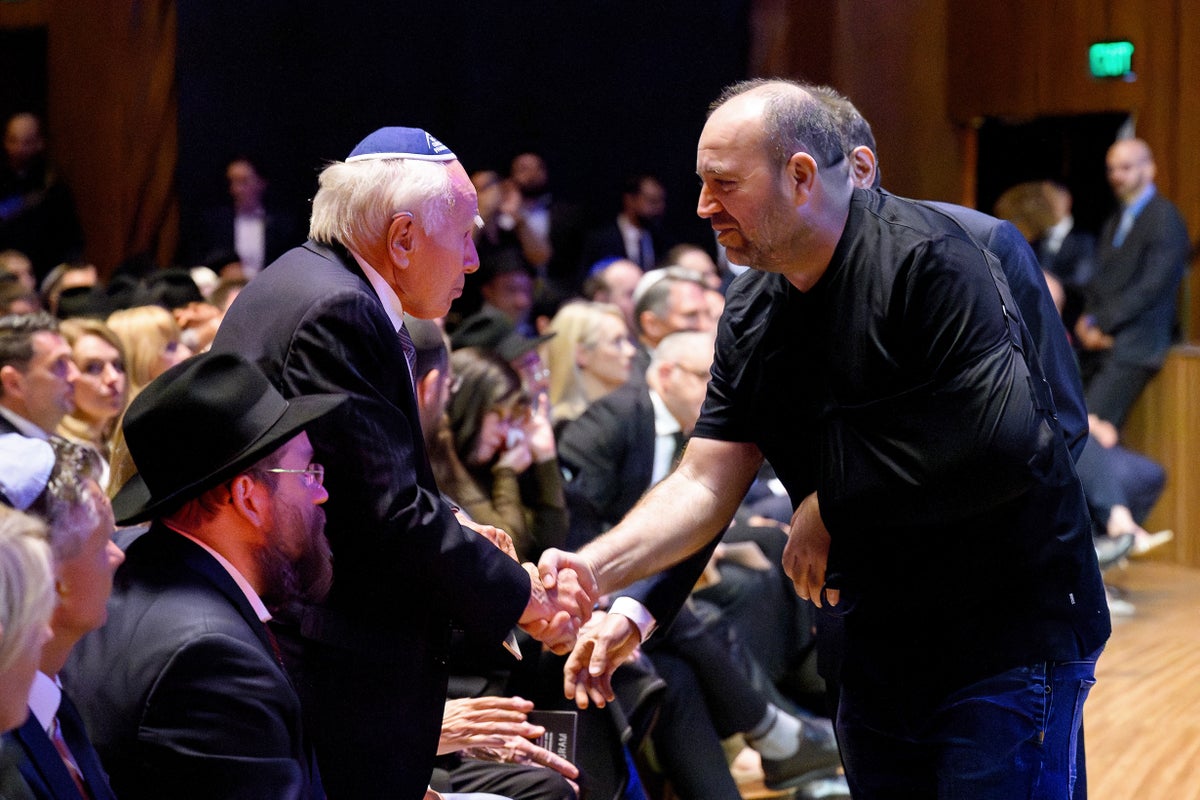
The legal saga involving Ahmed al Ahmed took a turn when Australian prosecutors officially dropped assault and stalking charges against the man. If you cast your mind back to December 2025, you'll remember his face. He was the fruit seller who sprinted into absolute chaos at Bondi Beach, wrestled a gun away from a terrorist, and took bullet wounds to save strangers at a Hanukkah celebration. Prime Minister Anthony Albanese called him a true Australian hero. Global headlines praised his raw courage.
Months later, the applause faded and the headlines turned ugly. Police accused him of domestic stalking and common assault against his father. Social media had a collective meltdown. How could a hero turn into a defendant? People forgot a basic truth. Acts of extraordinary bravery don't turn ordinary human beings into saints.
The Reality Behind the Headlines
When court documents confirmed the withdrawal of those charges during a brief hearing, it brought an end to months of intense public scrutiny for al Ahmed. His defense team maintained his innocence from day one, pointing out the obvious toll such a public ordeal takes on a family.
Let's be honest about how we treat people who find themselves thrust into the global spotlight overnight. Society demands perfection from anyone who performs a heroic deed. We expect them to float above ordinary domestic disputes, family strains, and personal flaws. When they stumble, we act like the original act of courage somehow didn't count.
Al Ahmed never asked to be a cultural symbol. He reacted on instinct when gunfire echoed across the sand. He told reporters later that he just didn't want to watch people die. That raw impulse has nothing to do with navigating complex family dynamics, legal cross-examinations, or the immense pressure of sudden fame and subsequent community fallout.
The Toxic Cycle of Instant Fame
The fallout from the Bondi Beach attack didn't stop with a courtroom appearance. Reports surfaced earlier in the year regarding bitter internal disputes over crowdfunding money meant to support him, even drawing his brothers into separate legal battles. Money changes families. Trauma breaks people. Add millions of dollars and global media attention to an ordinary working-class family, and things are bound to fracture.
We treat public figures like disposable entertainment. We elevate them when they serve a feel-good narrative, and we tear them down the second a controversy surfaces. Al Ahmed's legal clearance closes this specific chapter, but it highlights a recurring sickness in how we consume news. We want simple heroes and villains. Real life refuses to cooperate.
What We Can Learn From This Mess
Stop confusing a single moment of physical bravery with moral perfection. It is entirely possible for someone to risk their life to stop a massacre and still struggle with messy personal relationships. Holding individuals to impossible standards helps nobody.
The charges are dropped. The court case is over. Al Ahmed can finally try to move past a brutal year that tested both his physical body and his personal life. Next time a viral video makes someone a household name overnight, try remembering that behind the headline is just a flawed, complicated human being trying to figure it out.