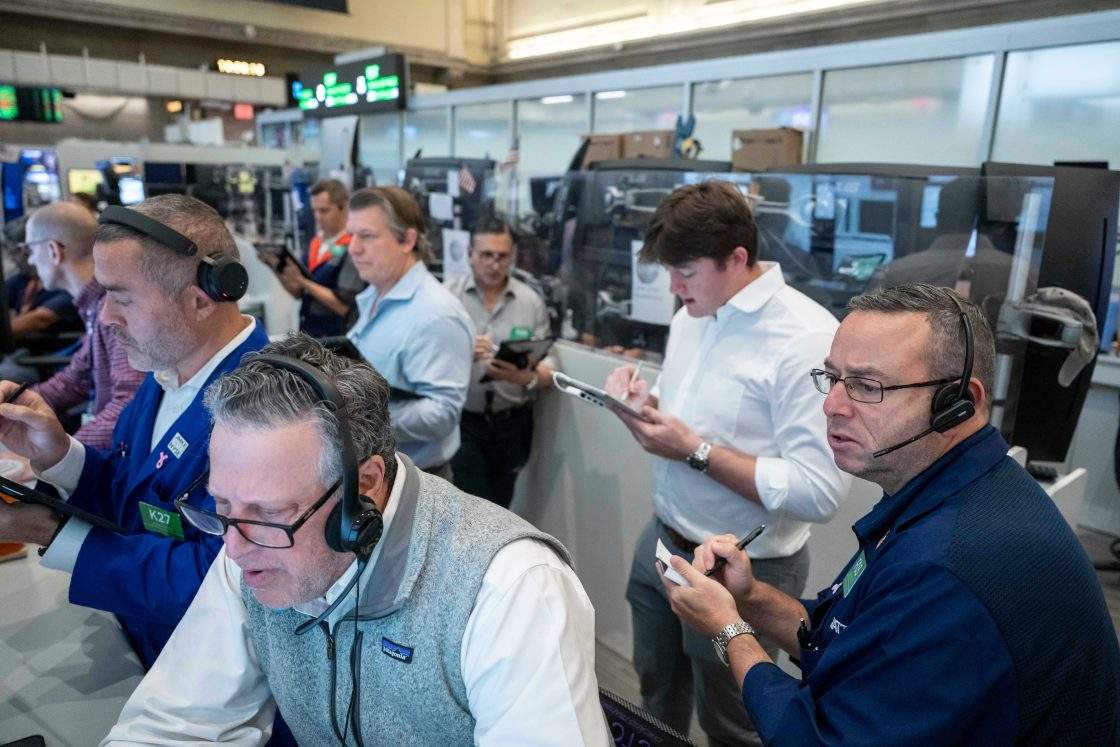
Wall Street just learned a brutal lesson about concentration risk. One bad session can wipe out weeks of optimistic buying, and that is exactly what happened when the artificial intelligence trade hit a massive brick wall.
If you were watching the ticker tape, you saw the euphoria from the United States midterm elections vanish in real time. Markets initially popped on political outcomes, only for a severe tech wreck to drag major indices down into a deep hole. Nvidia plummeted 7.5 percent, Advanced Micro Devices got crushed by double digits, and cloud infrastructure players bled value across the board.
Investors are finally waking up to a reality check. The infrastructure supporting the current technological boom is wildly expensive, highly scrutinized, and vulnerable to political shifts.
The Political Backlash Hit Data Centers Hard
Why did a congressional election trigger a semiconductor bloodbath? The answer comes down to infrastructure footprint and power consumption.
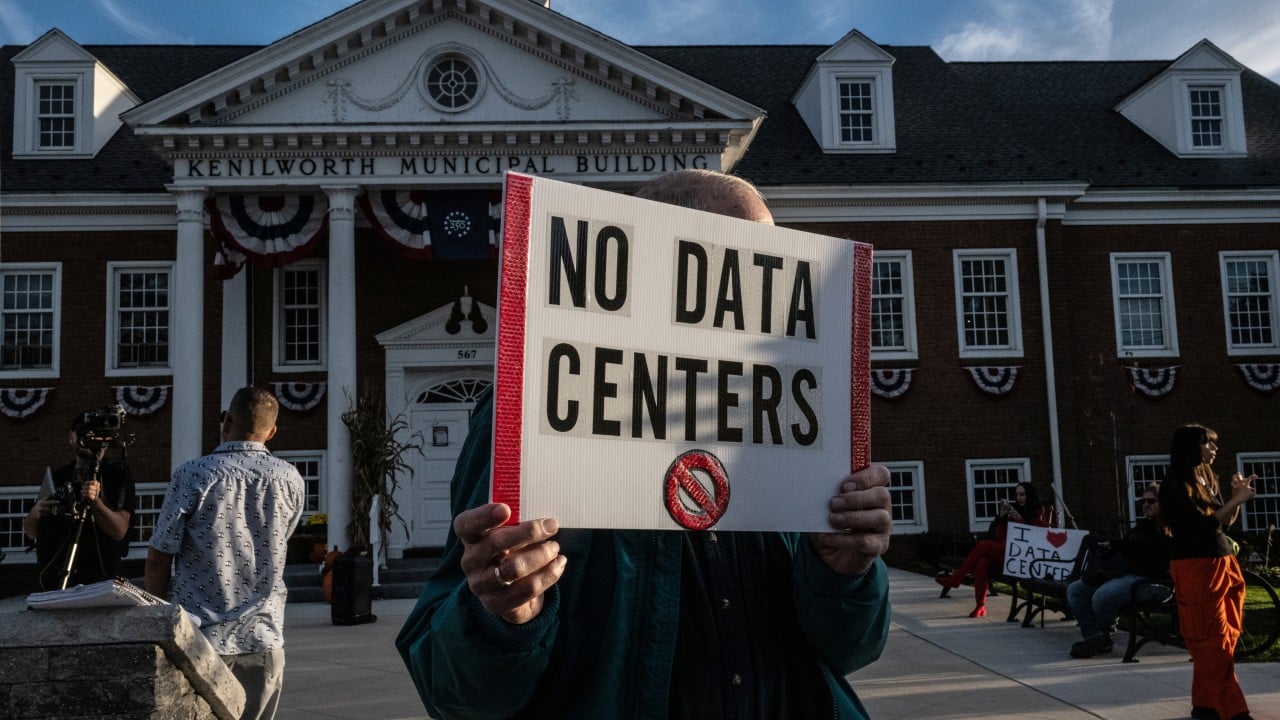
Building massive artificial intelligence data centers requires staggering amounts of electricity and capital. During the recent midterms, Democratic victories in key races shifted political power dynamics in Washington. Wall Street immediately priced in the probability of tougher regulatory oversight, environmental pushback, and potential pauses on new data center permits.
When lawmakers start asking hard questions about power grids running hot and local communities footing the environmental bill, tech giants feel the friction. If building out future clusters gets bogged down by red tape, chipmakers sell fewer high-end processors. The entire ecosystem relies on uninterrupted, breakneck expansion. Take that away, and the growth narrative fractures.
The High Cost of Borrowing Meets Reality
It is not just politics driving the panic. Money has a price again, and the math behind funding multi-billion dollar server farms is getting harder to justify.
For months, the market ignored ballooning capital expenditures because revenue growth looked infinite. But when borrowing costs stay elevated, financing massive clusters of energy-hungry hardware stops being a casual corporate expense. Companies renting access to cloud computing capacity are seeing margins squeezed.
The market has operated with an all-or-nothing mindset for years. Either artificial intelligence solves every global productivity problem tomorrow, or the entire trade is a bubble. Neither extreme is true, but Wall Street hates ambiguity. When sentiment flips, it flips violently.
Why Broad Market Indices Suffered
You cannot isolate a few mega-cap technology stocks anymore and pretend they do not dictate the health of the entire financial system. Because chipmakers and AI darlings grew to dominate market capitalization, a single bad day for semiconductors drags down retirement accounts, mutual funds, and passive indexers.
When a stock with the sheer weight of Nvidia drops steeply, the S&P 500 takes an immediate beating. The Nasdaq entered correction territory, proving that momentum cuts both ways. The concentration that fueled the record highs earlier in the cycle is now acting as a downward anchor.
What Comes Next for Tech Portfolios
Panic selling usually creates blind spots. While regulatory headwinds and power grid constraints are real hurdles, the underlying utility of enterprise computing hasn't vanished overnight. Companies that actually monetize automation efficiently will survive the purge. Those relying purely on hype and cheap leverage are getting exposed.
If you are managing exposure right now, stop chasing momentum blindly. Look past the daily volatility and examine which infrastructure projects have secure power contracts and diversified revenue streams. The gold rush phase of artificial intelligence is over. The messy engineering and regulatory phase has just begun.