The morning started normally. Breakfast with family, a quick exchange of words, and a simple goodbye. Hours later, everything changed permanently.
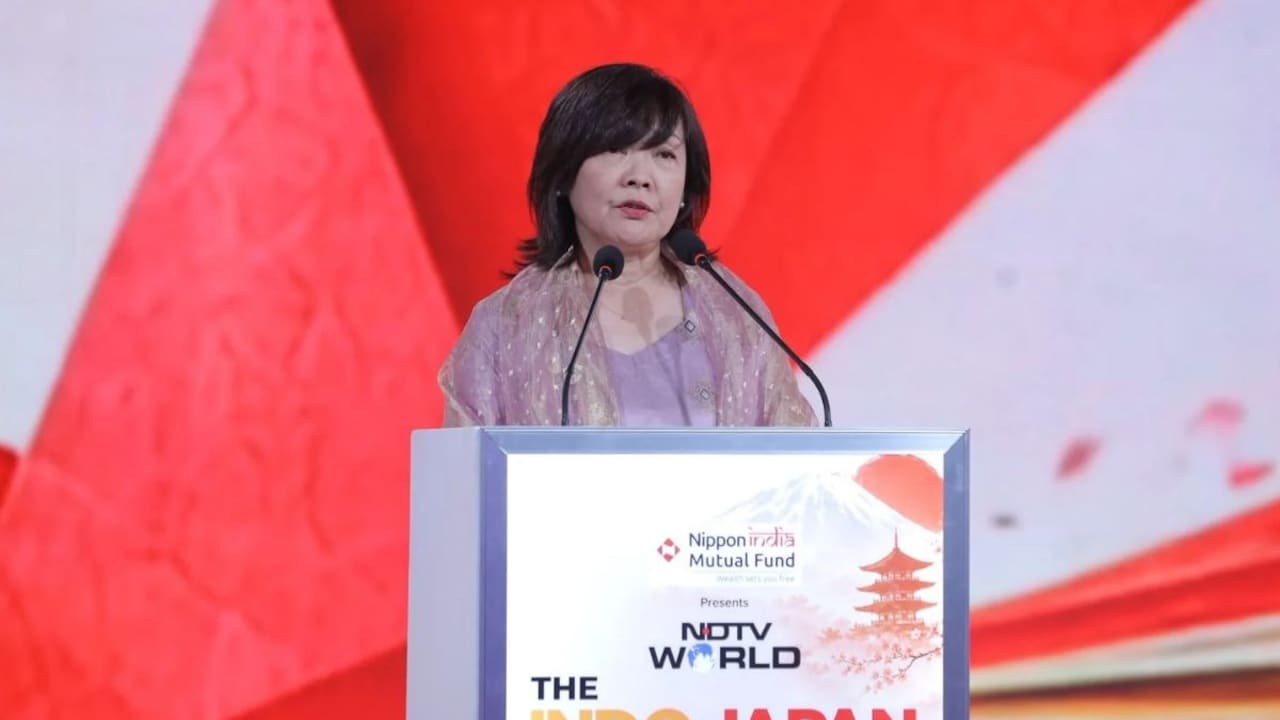
When Akie Abe stood before an audience at the NDTV India-Japan Summit, the weight of that loss returned immediately. Reminiscing about the tragic events of July 8, 2022, when former Japanese Prime Minister Shinzo Abe was assassinated in Nara, she broke down. Her public reflections offered a rare, intimate look at a leader whose political ambitions extended far beyond Tokyo's borders.
People often view world leaders through a sterile lens of policies, summit meetings, and economic data. They forget the human element underneath. Akie Abe's testimony cuts through that noise. She reminded listeners that her husband possessed an ambitious, unfulfilled global roadmap. He wanted to reshape international ties and tackle the growing anxieties dominating modern geopolitics.
The Battle Behind Closed Doors
Most observers saw a confident statesman representing Japan on the international stage. They rarely saw the relentless physical toll he endured. Shinzo Abe battled a chronic intestinal disease from his mid-teens. The condition demanded immense psychological and physical endurance.
During an intense political campaign years prior, his symptoms worsened drastically. He genuinely contemplated major surgery to remove his entire large intestine. He even questioned whether he should abandon politics altogether. When his health collapsed during an official tour of India, he resigned from office just a month later.
Shame and public scrutiny followed. For a stretch, he avoided leaving his home entirely. Weak health threatened to define his legacy permanently.
Everything shifted in 2009. A breakthrough pharmaceutical treatment arrived, offering immediate relief. He treated that medical turnaround as an unexpected second chance granted by fate. With his physical vitality restored, he returned to power with an uncompromising drive. He held nothing back.
A Bond That Shaped Indo-Japan Relations
That renewed momentum fueled his historic diplomatic partnerships, most notably with Indian Prime Minister Narendra Modi.
Akie Abe watched that relationship develop firsthand. She noted how deeply Narendra Modi resonated with her husband. The two leaders formed an immediate, heart-to-heart bond that transcended standard diplomatic protocols.
That connection was not merely political strategy. It carried genuine human warmth. Following Shinzo Abe's assassination, during the state funeral, Prime Minister Modi walked directly to the front row. He bent down, placed a comforting hand on Akie Abe's shoulder, and offered solace. That singular act of empathy left a permanent mark on a grieving widow.
Why His Vision Still Echoes Today
The global landscape feels increasingly fragmented. Leaders scramble to put out fires across multiple continents. Akie Abe emphasized that her husband believed positivity and decisive action were mandatory during times of widespread global anxiety.
He left behind blueprints for regional stability, economic integration, and strategic cooperation that continue to guide diplomatic discussions today. His vision was never just about Japan's domestic interests. It focused on creating a resilient international network capable of withstanding future disruptions.
History judges leaders by what they accomplish and what they leave unfinished. Shinzo Abe's story remains a study in resilience, personal vulnerability, and global ambition. His plans for the world were cut short, but the foundation he built still influences international politics.