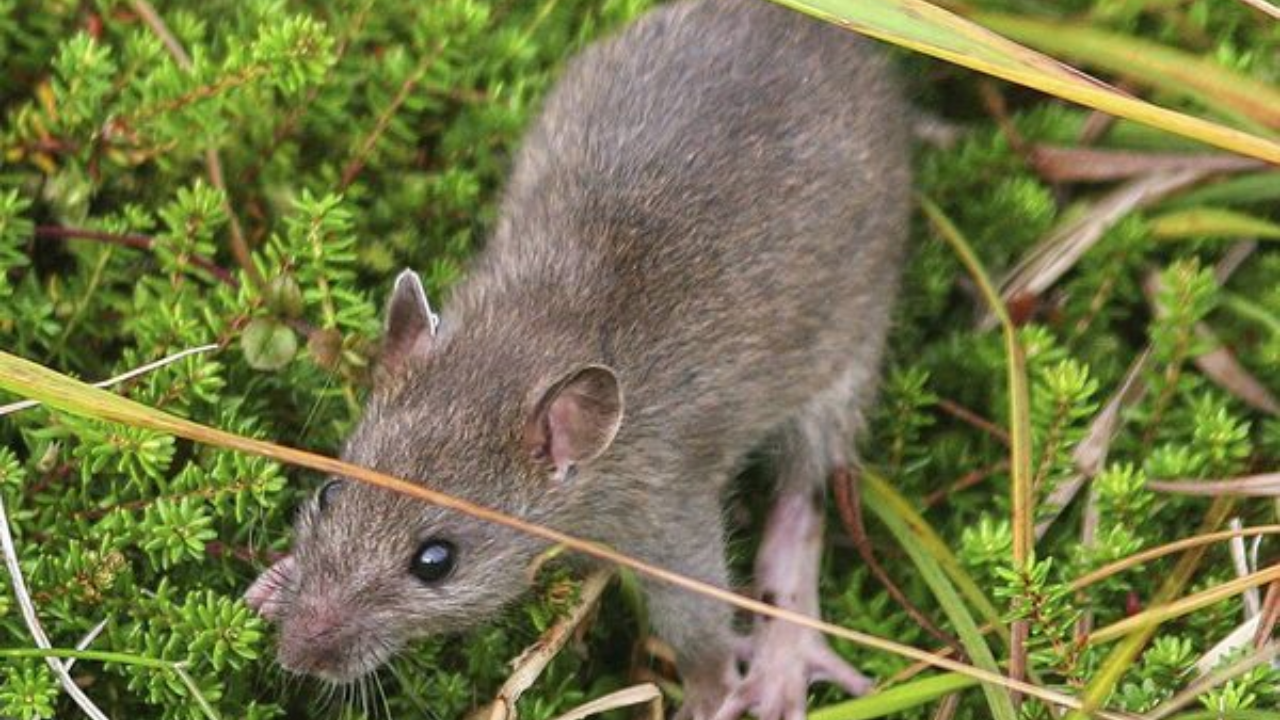
For over two centuries, a remote 6,869-acre landmass in Alaska's Aleutian chain lived up to a grim title. It was called Rat Island.
Back in the 1780s, a Japanese shipwreck spilled Norway rats onto the rocky shores. Those stowaways found a paradise with zero native land predators and plenty of ground-nesting seabirds. They multiplied, took over, and turned a vibrant seabird haven into a silent, scavenger-run wasteland.
Then conservationists decided to fix a two-hundred-year-old mistake.
The Silence of Rat Island
If you walked across the island before 2008, you wouldn't hear much. Biologists described the place as eerily quiet. The ground was littered with rat scat, chewed-up bird bones, and crisscrossed with rodent runways.
Native species like storm-petrels, tufted puffins, and glaucous-winged gulls had been decimated. Without defenses evolved against mammalian hunters, ground-nesting birds were sitting ducks.
The destruction didn't stop with the birds. It triggered an ecological collapse that reached all the way down to the shoreline. With seabirds wiped out, marine invertebrate populations like snails, limpets, and sea urchins exploded because their main predators were gone. Those hordes of invertebrates grazed down the island's algae, completely altering the intertidal zone.
Dropping the Grid
Fixing this mess required an operation of staggering scale. In autumn 2008, the U.S. Fish and Wildlife Service teamed up with organizations like The Nature Conservancy and Island Conservation to launch a massive eradication campaign.
Helicopters flew over the island using precise digital grids, dropping rodenticide bait across every acre. It was a high-stakes gamble. Miss a single rat, and the population would bounce right back.
The operation worked, but it wasn't without friction. The heavy use of poison resulted in unintended wildlife losses, including local bald eagles, drawing sharp scrutiny and forcing environmental managers to learn hard lessons about large-scale chemical deployment. But by 2009, testing confirmed the rodents were completely gone.
What Happens When You Remove the Invaders
The rebound was fast. Within just two years of the rat removal, native bird populations shot up by 200 percent or more.
Gulls, song sparrows, and black oystercatchers flooded back into the landscape. Puffins and storm-petrels returned to the cliffs. Long-term monitoring published in scientific journals showed that the recovery even reached the rocky intertidal zones. As shorebirds returned to their roles as apex predators, the marine ecosystem rebalanced itself, proving that island habitats can heal if you pull out the root cause of the damage.
The transformation was so total that the official name had to change. In 2012, the U.S. Board on Geographic Names dropped the colonial moniker and restored the traditional Unangan name: Hawadax Island, which roughly translates to welcome or entry.
Invasive species destroy island ecosystems across the globe, but Hawadax proves that reversal is possible. Stop treating ecological damage as permanent.