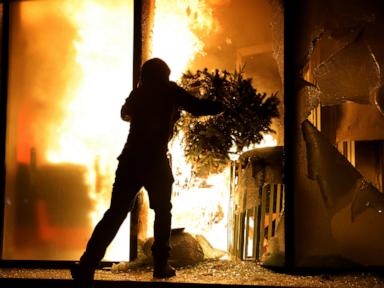
Tirana isn't backing down. When hundreds of students hit the streets of Albania's capital and joined forces with the anti-government "Flamingo" movement, the political atmosphere shifted from tense to volatile overnight. Storefronts are smashed, barricades are burning, and police are deploying tear gas to contain youths who've had enough of the status quo.
Prime Minister Edi Rama is facing intense public fury. The core demand is simple and absolute: immediate resignation over entrenched corruption and economic stagnation. Meanwhile, you can read related developments here: When Concrete Fails The Classroom Why The Peshawar School Tragedy Was Bound To Happen.
The Spark Behind the Flamingo Movement
You can't understand these riots without looking at the months of mounting anger. The Flamingo movement—named after the pink bird imagery used on protest signs—has been organizing rallies for months. Citizens are angry about controversial coastal projects, soaring living costs, and what many describe as a deeply dysfunctional political system.
When university students decided to throw their weight behind the movement, the scale changed completely. Young people are staring down an economy with limited job prospects and rampant institutional abuse. Waiting patiently for reform stopped working for them. To see the complete picture, check out the detailed article by Reuters.
Clashes in the Streets
The tension boiled over outside government ministries in Tirana. Protesters tore down police cordons and constructed impromptu street barricades using burning trash bins. Riot police responded with water cannons and tear gas, trying to regain control as violence spread across multiple blocks.
Windows were shattered, public property was vandalized, and the chaos left several officers and demonstrators injured. Health Minister Klodiana Spahiu visited injured officers in the hospital, condemning the escalation as intolerable. Meanwhile, international bodies are watching closely. The European Union delegation in Tirana issued statements urging authorities to maintain a proportionate response, reminding leaders that peaceful assembly is a core democratic value while also expressing deep concern over the violent escalation.
What Happens Next
Albania has struggled with political instability ever since its harsh communist regime collapsed in the early 1990s. Now, aspirations to join the European Union are colliding with domestic frustration over governance and transparency.
The government wants negotiations. The protesters want a total political reset. Right now, neither side is blinking. Watch the streets of Tirana closely in the coming days because this standoff is far from over.