You can't build houses if you can't flush the toilets. It sounds simple, yet municipal leaders across Western Canada have spent years screaming this exact reality into the void while politicians argued about housing targets.
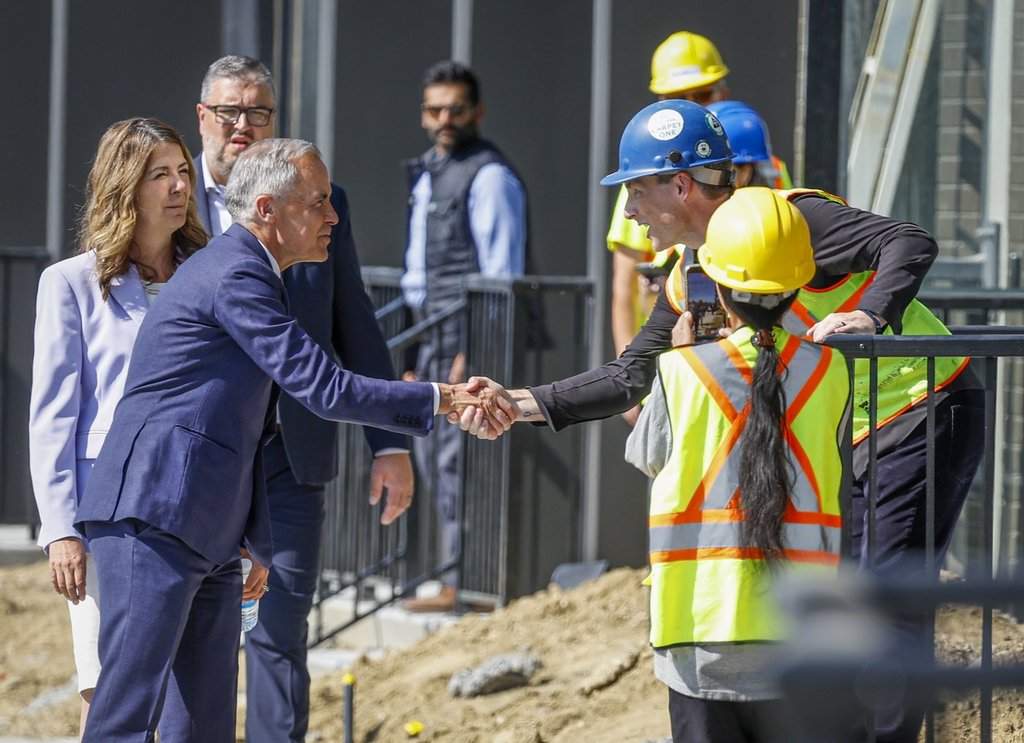
Prime Minister Mark Carney and Alberta Premier Danielle Smith met in Red Deer to fix that exact bottleneck. They signed the Canada-Alberta Housing Infrastructure Fund agreement, dropping a massive financial injection into water and wastewater systems. Ottawa is putting up more than $510 million over eight years, while Alberta is matching with up to $428 million for municipal projects. Meanwhile, you can find similar developments here: Why Anthony Fauci Took The Fifth And Broke Years Of Congressional Tradition.
This isn't another abstract announcement about future zoning laws. It is hard cash targeted at the buried pipes that determine whether a subdivision actually gets built.
The Real Crisis Is Under the Ground
Everyone focuses on drywall, framing lumber, and interest rates. Those matter, but they are useless if municipal utility capacity sits at zero. To understand the bigger picture, we recommend the detailed article by NBC News.
Over the past five years, Alberta's population surged by more than 600,000 residents. That kind of growth puts an immense strain on public services. You cannot drop thousands of new townhomes or apartment blocks onto a municipal grid designed for a sleepy suburb from 1995.
Premier Smith put it plainly during the Red Deer announcement: builders can only build when the infrastructure exists to support new communities. A whole lot of heavy civil work has to happen beneath the dirt long before a framing crew shows up.
Carney echoed that sentiment, noting that a home requires more than four walls and a roof. It demands clean drinking water and a reliable sewage network. Projects like the planned wastewater pipeline in Airdrie show what this means in practice—unlocking tens of thousands of potential homes by tying into regional treatment facilities instead of forcing towns to reinvent the wheel.
Breaking Down the Numbers
Let's look at how the money breaks down.
- Federal Commitment: Over $510 million delivered across eight years.
- Provincial Matching: Up to $428 million covering at least one-third of eligible project costs.
- Targeted Support: At least $100 million carved out specifically for rural and Indigenous community projects.
- Job Creation: Estimated to support roughly 750 skilled trades jobs annually.
Unlike programs where Ottawa dictates every condition from a desk three time zones away, Alberta keeps the lead role in identifying and prioritizing regional projects. Municipalities know where their pipes are bursting and where development is stalled.
Deadlines and What Comes Next
If you are a municipal official or a developer tracking these funds, you cannot wait around. The administrative wheels are already spinning.
Initial project submissions representing at least $25 million in federal contributions must land on desks by November 30, 2026. The remaining infrastructure proposals have a final submission deadline of March 31, 2030.
Municipalities need to pull their engineering studies together immediately. Check your local capital plans, align your stormwater and wastewater upgrades with regional growth corridors, and get your applications ready before the province closes the intake windows.