Finding out you're allergic to a sugar molecule found in beef, pork, and dairy feels like a cruel joke. Alpha-gal syndrome doesn't hit you immediately like a standard peanut allergy. Instead, it sneaks up on you three to six hours after dinner, turning a quiet night's sleep into a frantic scramble of hives, stomach cramps, and sometimes life-threatening anaphylaxis. For years, the only real prescription was total avoidance. You had to read labels like a detective, give up cheese, and steer clear of burgers.
That rigid reality is starting to shift. Recent clinical data show that an existing biologic medication called omalizumab, widely known as Xolair, could drastically reduce the severity of reactions for alpha-gal patients. It isn't an outright cure, but for people living in constant fear of accidental cross-contamination, it changes the math entirely.
What Alpha Gal Syndrome Actually Is
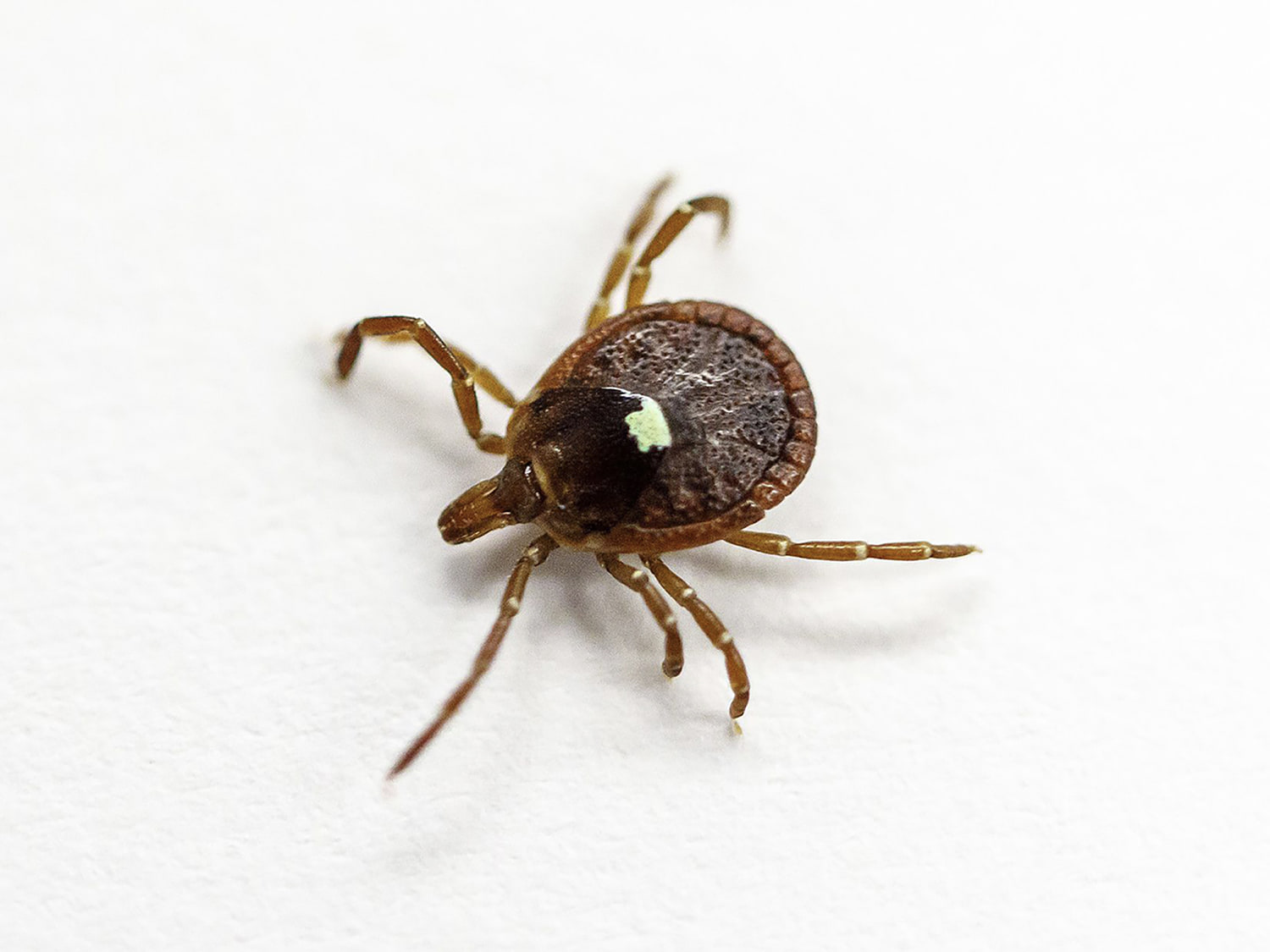
You don't get alpha-gal syndrome from birth. You get it from a tick. Specifically, the lone star tick injects the galactose-alpha-1,3-galactose sugar molecule into your bloodstream. Your immune system freaks out, treats the sugar as a foreign invader, and builds up specialized IgE antibodies.
The next time you eat a steak, a slice of pizza, or even ingest certain medications derived from mammals, those antibodies sound the alarm. Because digestion takes hours, the delayed reaction catches people off guard. You might eat a cheeseburger at 7:00 PM and wake up at midnight struggling to breathe.
Doctors miss it all the time. Patients often spend years bouncing from specialist to specialist, dealing with unexplained hives and gastrointestinal distress before someone finally orders the specific alpha-gal blood test. Meanwhile, the psychological toll piles up. Studies show that a large majority of diagnosed individuals deal with severe food-related anxiety, often avoiding social gatherings entirely because they can't trust what's in the food.
How Omalizumab Changes the Equation
Omalizumab works by intercepting immunoglobulin E (IgE) antibodies before they can bind to mast cells and trigger an allergic cascade. It's already an established treatment for severe asthma and chronic hives, and it has clearance for mitigating various food allergies. Researchers decided to see how it performed for people suffering from alpha-gal syndrome.
A notable study tracking patients with alpha-gal syndrome treated with omalizumab yielded striking results. Before starting the medication, over 80 percent of the participants had suffered from full-blown anaphylaxis, and more than half had needed emergency epinephrine injections. Once on the drug, the dynamic changed completely. None of the patients required epinephrine for food-triggered reactions during the evaluation period.
Even better, roughly 95 percent reported that their reactions were less frequent or notably less severe. About a third of the patients managed to reintroduce some mammalian products or red meat back into their daily diets without triggering an emergency.
The Reality of Living with the Treatment
Before you call your allergist demanding a prescription, keep a few practical realities in mind. Omalizumab is an injectable biologic, meaning it requires regular dosing administered over time. It doesn't erase your underlying allergy. If you stop taking it, your antibody response goes right back to where it started.
Furthermore, insurance approval can be an uphill battle, especially if the specific use case is considered off-label for your exact medical profile. Side effects do happen, though they are typically mild, with occasional joint pain reported by some users.
Yet, for someone who has spent years carrying multiple epinephrine auto-injectors and analyzing every single ingredient on restaurant menus, this medication offers something invaluable: peace of mind. Accidental exposures from hidden animal fats or cross-contamination in restaurant kitchens won't automatically send you to the emergency room.
Managing the Condition Moving Forward
If you suspect you have alpha-gal syndrome, stop guessing and get a proper blood draw to check your alpha-gal IgE levels. Avoid the trap of self-diagnosing based on mild digestive discomfort, but take any delayed severe reactions seriously.
Talk to an allergist who stays current on tick-borne meat allergies. Ask specifically whether biologic therapies like omalizumab make sense for your lifestyle and severity level. Protect yourself outdoors by wearing permethrin-treated clothing and using DEET when entering high-risk tick habitats. Managing the condition requires vigilance, but between better diagnostic awareness and emerging therapeutic tools, living with alpha-gal is becoming a lot more manageable.



