Planes stopped moving. Screens flickered. Panic rippled from coast to coast.
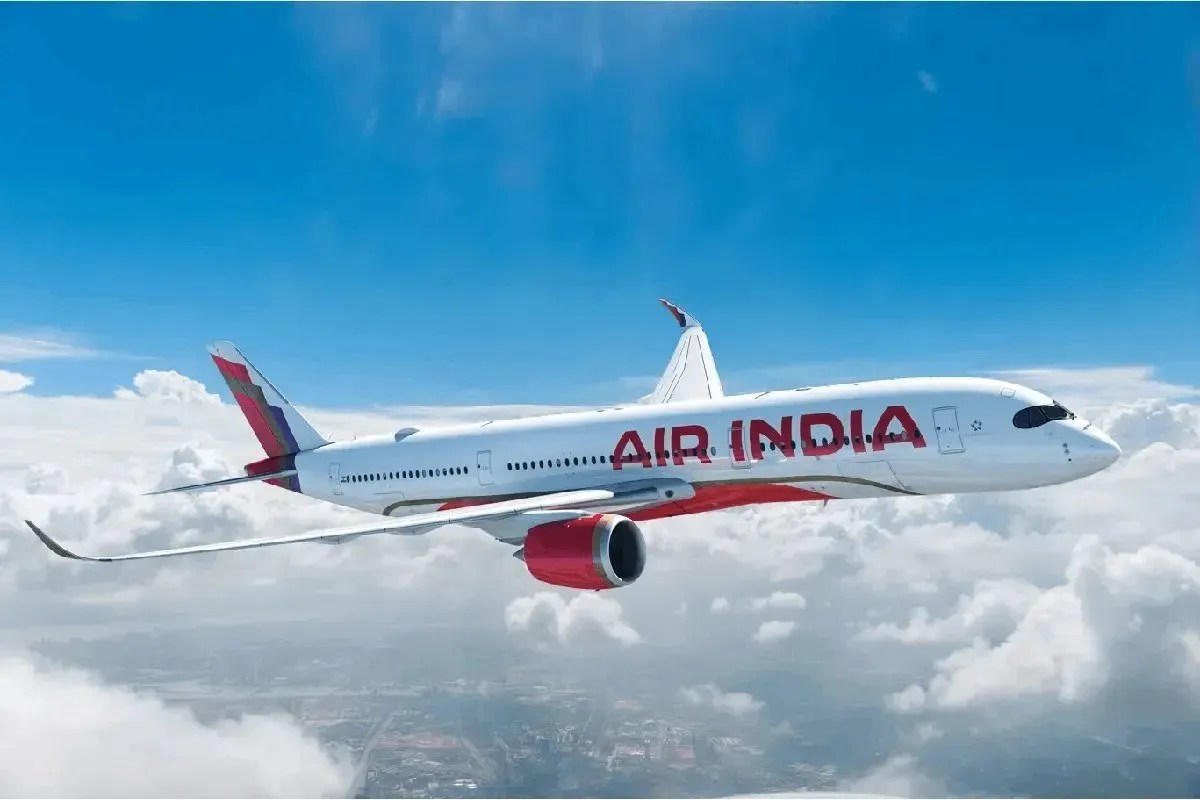
When the Federal Aviation Administration issued a nationwide ground stop, American airspace froze. More than 3,500 aircraft were airborne at that exact second, carrying tens of thousands of passengers who suddenly had no idea when or where they would land. For a few terrifying hours, the busiest aviation network on the planet came to a grinding, unprecedented halt.
People immediately thought the worst. Was it a cyberattack? Was it a foreign adversary targeting critical infrastructure? Memories of past national crises resurfaced instantly. But the reality behind the shutdown was both simpler and far more alarming. It wasn't a malicious hack. It was an outright infrastructural collapse caused by aging, overburdened telecommunications equipment.
If you fly regularly, you need to pay attention. This wasn't an isolated glitch. It was a glaring warning sign about a system running on borrowed time.
Inside the Hours That Paralyzed American Airspace
The chaos kicked off in the afternoon when instability hit radar and communication systems across air traffic control centers and Terminal Radar Approach Control facilities. Controllers faced sudden data drops and communication failures. Safety protocols left the FAA with only one viable choice. They had to slam the brakes.
A nationwide ground stop means exactly what it sounds like. No aircraft can take off anywhere in the United States. Planes already in the air were allowed to continue toward their destinations, guided by experienced pilots and controllers working through manual redundancies, but departure boards turned completely red.
Flight tracking platforms lit up with red alerts. More than 10,000 delays and over 4,000 cancellations piled up within hours. Airports like JFK in New York, San Francisco International, Chicago O'Hare, and Washington Dulles turned into massive parking lots for stranded travelers. College football teams scrambled to find buses because their charter flights were grounded. Holiday travel plans were thrown into total disarray.
For over four grueling hours, the airspace remained locked down. Air traffic slowly trickled back down from 3,500 planes to fewer than 400 as controllers systematically landed every single aircraft safely. At 8:15 PM Eastern Time, the FAA lifted the order after testing systems to confirm stability. But opening the airspace didn't mean normalcy returned. Planes were out of position, crews were stranded, and the domino effect had only just begun.
What Officials Had to Say
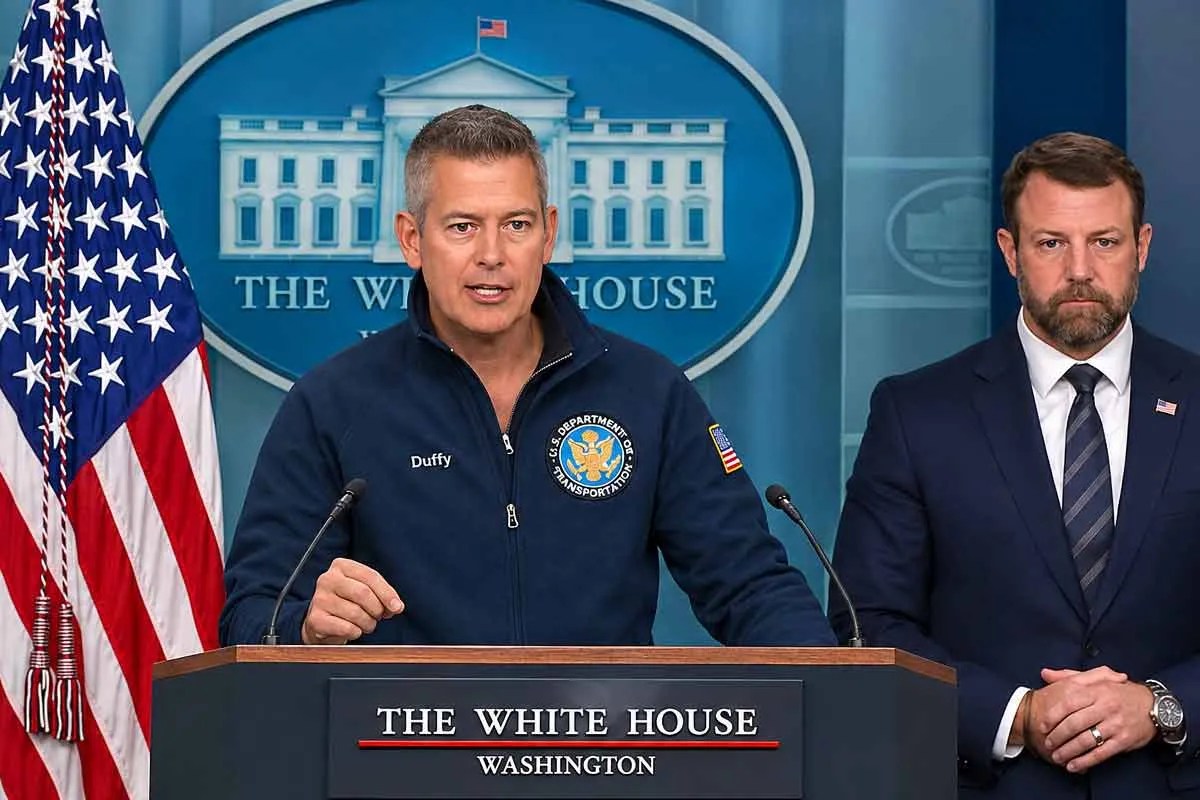
White House and cabinet officials rushed to contain the narrative and calm public panic. Homeland Security Secretary Markwayne Mullin stepped up to the podium alongside Transportation Secretary Sean Duffy to address the nation.
Mullin was blunt about the security situation. He confirmed immediately that there was zero evidence of any cyberattack or nefarious foreign interference. He emphasized that loved ones in the air were safe and that the grounding was purely an abundance of caution due to a massive telecommunications outage within the FAA. He also took care to dispel rumors linking the incident to previous global tech outages, making it clear this was an internal system failure.
Transportation Secretary Sean Duffy didn't sugarcoat the gravity of the situation either. He pointed the finger squarely at the root cause: antiquated technology. Duffy explained that the FAA is relying on legacy equipment, old routers, and outdated switches that simply cannot keep up with modern traffic demands.
When asked if it could happen again, Duffy gave a sobering answer. He couldn't guarantee it wouldn't. That honesty should terrify anyone who boards a commercial airliner on any given week.
The Ticking Clock of America's Aviation Infrastructure
Let's be completely honest with each other. We treat our aviation system like an unbreakable miracle until it breaks. Then we act surprised.
The truth is that America's air traffic control infrastructure is aging rapidly. While passengers look at sleek modern aircraft interiors, comfortable leather seats, and advanced inflight Wi-Fi, the invisible nervous system guiding those planes below is decades old. Technicians are often left repairing vintage hardware using parts that manufacturers stopped making years ago.
Secretary Sean Duffy immediately seized on the crisis to push for massive legislative action. He ramped up demands for emergency congressional funding, pushing the required modernization budget from thirty billion dollars up to fifty billion dollars. He argued forcefully that a reliable, modern air traffic control system isn't a luxury item. It is a fundamental national security priority.
Critics and aviation experts have warned about this for years. A government accountability office report previously highlighted that long delays and poor planning leave the nation dependent on vulnerable legacy systems. Projects to upgrade these networks face years of delays, bureaucratic red tape, and chronic underfunding. When upgrades finally happen, the sheer volume of modern data traffic frequently overwhelms the older architecture that still supports the backbone of the network.
Historical Parallels and Why This Ground Stop Was Different
Nationwide ground stops in the United States are exceptionally rare. Before this incident, the last comparable nationwide shutdown occurred in January 2023, when a critical computer system handling Notice to Air Missions malfunctioned overnight. Before that, you have to go all the way back to the unprecedented emergency groundings ordered in the immediate aftermath of the September 11 terrorist attacks.
Comparing the 2023 outage to this recent crisis reveals a disturbing trend. System failures are becoming more severe and more frequent. In 2023, the issue was software-based within the NOTAM notification architecture. This time, it was a sweeping telecommunications and equipment overload that crippled regional radar and communication nodes simultaneously.
Aviation safety experts who spent decades in the cockpit called the event unbelievable for a modern superpower. Planes are safer than ever mechanically, but the digital and telephonic umbilical cords tying them to the ground are fraying.
How Airlines and Passengers Paid the Price
When the FAA lifts a ground stop, the media often treats it like the crisis is over. For travelers stranded at airports, the nightmare is usually just entering its second phase.
Airlines operate on hyper-optimized, tightly wound schedules. Planes fly multiple legs a day across different time zones. Crew members are legally bound by strict rest requirements. When a nationwide freeze halts operations for over four hours, the entire operational schedule shatters.
Planes end up stranded thousands of miles away from where their morning crews are waiting. Gate agents face hostile crowds of passengers whose connecting flights evaporated. Baggage claims turn into mazes of unclaimed suitcases.
Even though flights slowly resumed on Friday night, airlines warned that cascading delays would bleed deep into the weekend. Travelers at major hubs faced endless lines, canceled meetings, and missed family events. With the heavy Thanksgiving travel holiday looming right around the corner, airlines now face a massive logistical race against time to reposition aircraft and restore confidence before millions more passengers flood the terminals.
What You Must Do to Protect Your Travel Plans
If you have upcoming flights, you cannot afford to rely on blind luck. The systemic vulnerabilities exposed by this failure mean that minor glitches can trigger major operational meltdowns at any moment.
Always download your airline's mobile app and turn on push notifications for real-time gate changes and cancellation alerts. Avoid tight connection windows if you can possibly help it. Give yourself a buffer of at least two to three hours on domestic layovers, especially if you are connecting through major hubs like Chicago, Atlanta, or New York.
Pack essential medications, chargers, and a change of clothes in your carry-on bag. If your flight gets canceled due to system disruptions, do not wait in the physical airport line behind two hundred other angry passengers. Call your airline's customer service hotline immediately while simultaneously using their mobile app to rebook yourself.
America's skies are still the safest in the world statistically, but the ground beneath them is shaking. Until Congress approves the funding needed to overhaul our aging air traffic control network, travel disruptions will remain a ticking time bomb waiting for the next overloaded router to drop.
US Air Travel Paralyzed News Coverage
This video provides direct news coverage and broadcasting footage detailing how the nationwide FAA communications failure unfolded and how officials managed the crisis.