When a man known for years as the primary cheerleader for the Israeli settlement movement calls a specific act "a horrific act of terror," people listen. Mike Huckabee, the U.S. ambassador to Israel, recently dropped that label in response to a weeks-long siege of Palestinian homes in the village of Qusra.
It wasn't just a casual comment. It was a sharp, uncharacteristic rebuke that signals something deeper is shifting in the West Bank.
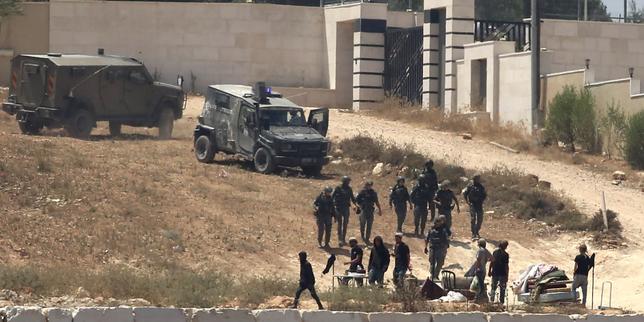
For those who haven't followed the story closely, here’s what’s actually happening. Since August 9, 2026, settlers have blockaded homes in Qusra, a village south of Nablus. They cut off access to basic necessities. Families inside—including an American citizen—found themselves trapped, unable to leave, and running low on food and water.
A shift in the diplomatic wind
Huckabee isn't a critic of the settlement enterprise. He’s an evangelical pastor who has spent decades defending the presence of Israeli settlers in the West Bank. He’s rejected the idea of a Palestinian state and frequently used the term "Judaea-Samaria" to describe the territory, aligning himself with the most ardent supporters of Israeli control.
When someone with that track record calls settler behavior "thuggish" and labels their actions "disgusting," it’s not just a diplomatic flick on the wrist. It’s an admission that the situation on the ground has become impossible to ignore. Even among supporters of the movement, there’s a growing awareness that things have gone too far. Oded Revivi, a former council head from a settlement near Jerusalem, noted that if a "true friend" like Huckabee feels the need to bang on the table, it’s a sign that the movement has lost its way.
What is happening on the ground
The reality for residents in Qusra is bleak. The village has become a flashpoint. Last month, a local mosque was set on fire. The current siege is only the latest chapter in a violent summer.
Settlers didn't just stand around. They threw stones. They damaged property. They blocked roads. Even when the Israeli military arrived, many settlers stayed behind, huddled in the surrounding hills, waiting for the soldiers to pull back. The military eventually dismantled two illegal outposts nearby and detained one individual, but the tension remains high.
It’s important to understand the scale here. More than 500,000 Israelis live in West Bank settlements, surrounded by roughly three million Palestinians. The friction isn't accidental; it’s systemic.
The human cost of the standoff
You have to look past the political headlines to see what this means for real people. Lou Ridi, a homeowner in Qusra, described his family’s experience as being "hostages in our own house." His brother and nephew were stuck inside for days, unable to move safely.
When the situation became untenable, the Israeli military eventually evacuated the family. But what about the property? What about the neighbor’s house? These aren't just abstract political symbols. These are families who are being squeezed out of their homes.
While the Israeli government recently celebrated the reopening of a settlement at Ganim—an area that had been dismantled years ago—the reality in Qusra suggests a different, more chaotic agenda. It’s a tug-of-war between official state policy and the actions of radicalized groups on the ground.
Where do we go from here
Don't expect a sudden shift in U.S. foreign policy. This isn't a change in doctrine. The Biden-Harris era or the current administration’s overall approach to Israel isn't being rewritten by one tweet from an ambassador, even one as vocal as Huckabee.
What we’re seeing is a growing desperation in how the international community handles settler violence. The strategy of waiting for it to cool down on its own simply isn't working. When an American citizen is trapped by settlers in a region where the U.S. has massive political stakes, the silence ends.
If you’re looking to understand the future of the West Bank, stop watching the press conferences. Watch the villages. The tension between the military’s attempts to impose order and the persistent encroachment of settler outposts will dictate whether this conflict spirals further or finds some semblance of containment.
For now, the situation in Qusra is a warning. It shows that even the most steadfast allies are reaching a breaking point with the current state of affairs. Whether that translates into real change remains the only question that matters.
Keep an eye on whether these "defensive missions" by the military become a permanent fixture in the area or if the settlers simply drift back once the cameras turn away. That will tell you everything you need to know about who actually controls the territory.