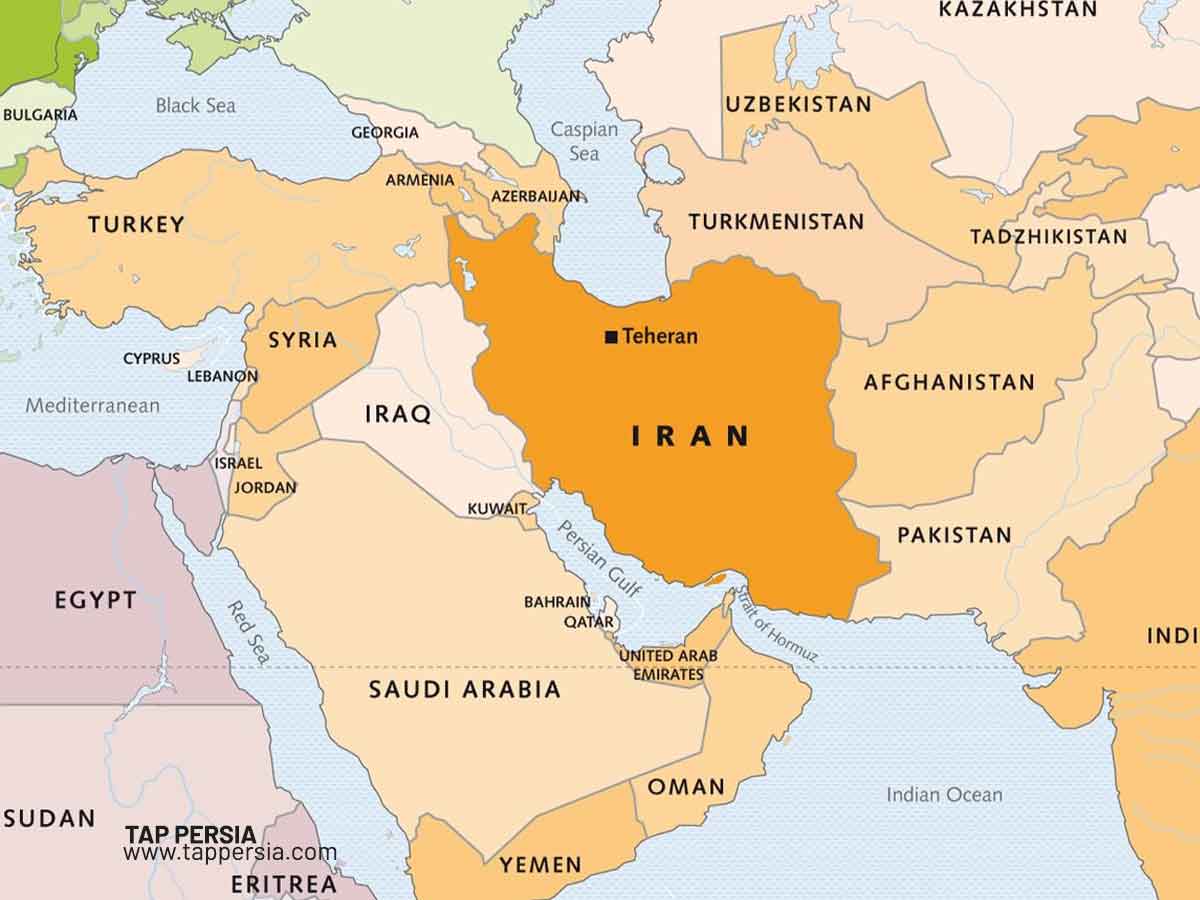
Tensions in the Middle East just crossed a dangerous line. American embassies across the region are locking down, non-emergency diplomatic staff are packing bags, and intelligence agencies are sounding alarm bells that feel uncomfortably loud. If you've been watching global headlines, you know the November 3 midterm elections are right around the corner. But the convergence of domestic political cycles and foreign security threats is creating a volatile cocktail that Washington is struggling to contain.
Intelligence memos circulating through government channels reveal that Iran has substantially escalated efforts to target U.S. personnel abroad. These aren't vague, distant threats whispered in backchannels. Officials confirm that multiple plots aimed at American diplomats and military contractors have progressed into advanced stages. When intelligence directors issue warnings this stark, diplomatic missions don't just stay open and hope for the best. They pull back, restrict operations, and prepare for the worst.
The Reality Behind the Embassy Drawdowns
Let's look at what's actually happening on the ground. The State Department didn't issue mandatory departure orders for Saudi Arabia and cut back staffing at multiple Middle East diplomatic posts for fun. When Jordan, Lebanon, Qatar, and the United Arab Emirates shift to restricted operations, it signals a massive shift in threat assessment.
Security postures change overnight because the risk matrix shifts. For years, embassies maintained baseline protective measures against localized unrest or isolated terror cells. Today, the concern involves coordinated state-backed action and proxy network escalation, including ballistic missile and drone capabilities demonstrated by Houthi forces in the region.
You have to ask yourself what changes the calculus for a nation like Iran. Elections in the United States historically freeze certain military and foreign policy maneuvers while heightening others. Adversaries often view the transition period or election eve as a window of vulnerability or opportunity. Washington's stated calculus—vowing to delay major military responses until after the November 3 vote—creates a unique window where political timelines clash directly with immediate tactical survival.
Economic Shockwaves and Market Reactions
Geopolitics never stays neatly confined to government cables or embassy gates. It bleeds straight into global markets within minutes. Energy markets reacted swiftly to the rising security threat. Brent crude futures surged past $116 a barrel, hitting a six-month high, while U.S. West Texas Intermediate climbed past $103.
Traders aren't panicking over abstract diplomatic spats. They're pricing in the very real possibility of a broader military conflagration that could choke off shipping lanes, disrupt regional refineries, and send energy prices skyrocketing at the worst possible time for domestic consumers heading to the ballot box. When embassies empty out, energy traders stock up on risk protection. It's a direct cause-and-effect loop that impacts every household paying for gas or electricity.
What Happens Next
The days leading up to November 3 will test the resilience of American security architecture abroad. Intelligence officials remain on high alert, monitoring every digital intercept and proxy movement. Diplomatic outposts will stay locked down behind reinforced concrete and razor wire, operating with skeleton crews.
You shouldn't expect the rhetoric to cool down before the ballots are cast. Adversaries know that U.S. attention is split between domestic political battles and foreign flashpoints. Navigating this dangerous stretch requires absolute vigilance, zero complacency, and a clear understanding that the geopolitical temperature in the Middle East is boiling over. Stay tuned to verified intelligence updates rather than social media noise as the situation develops.