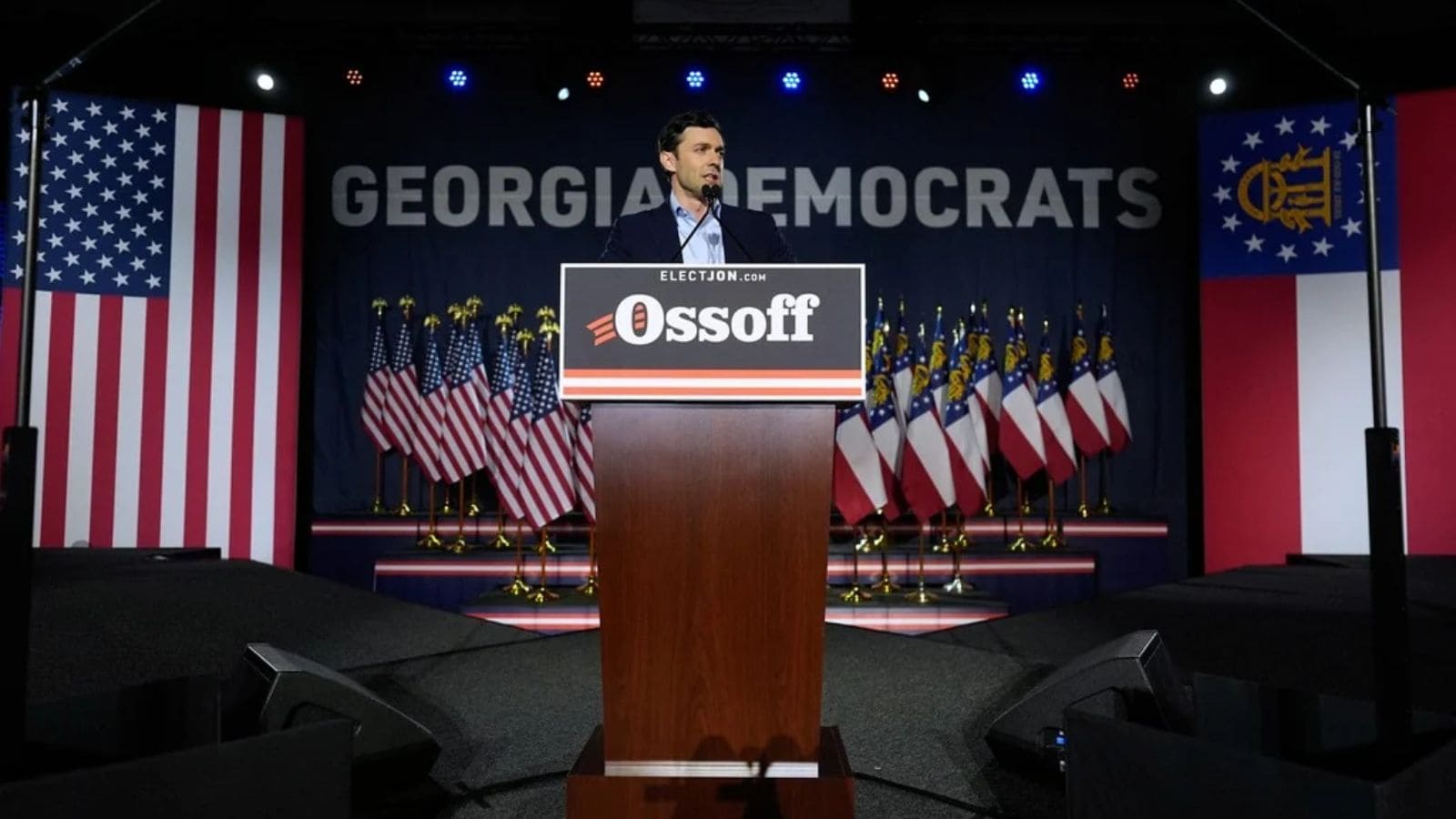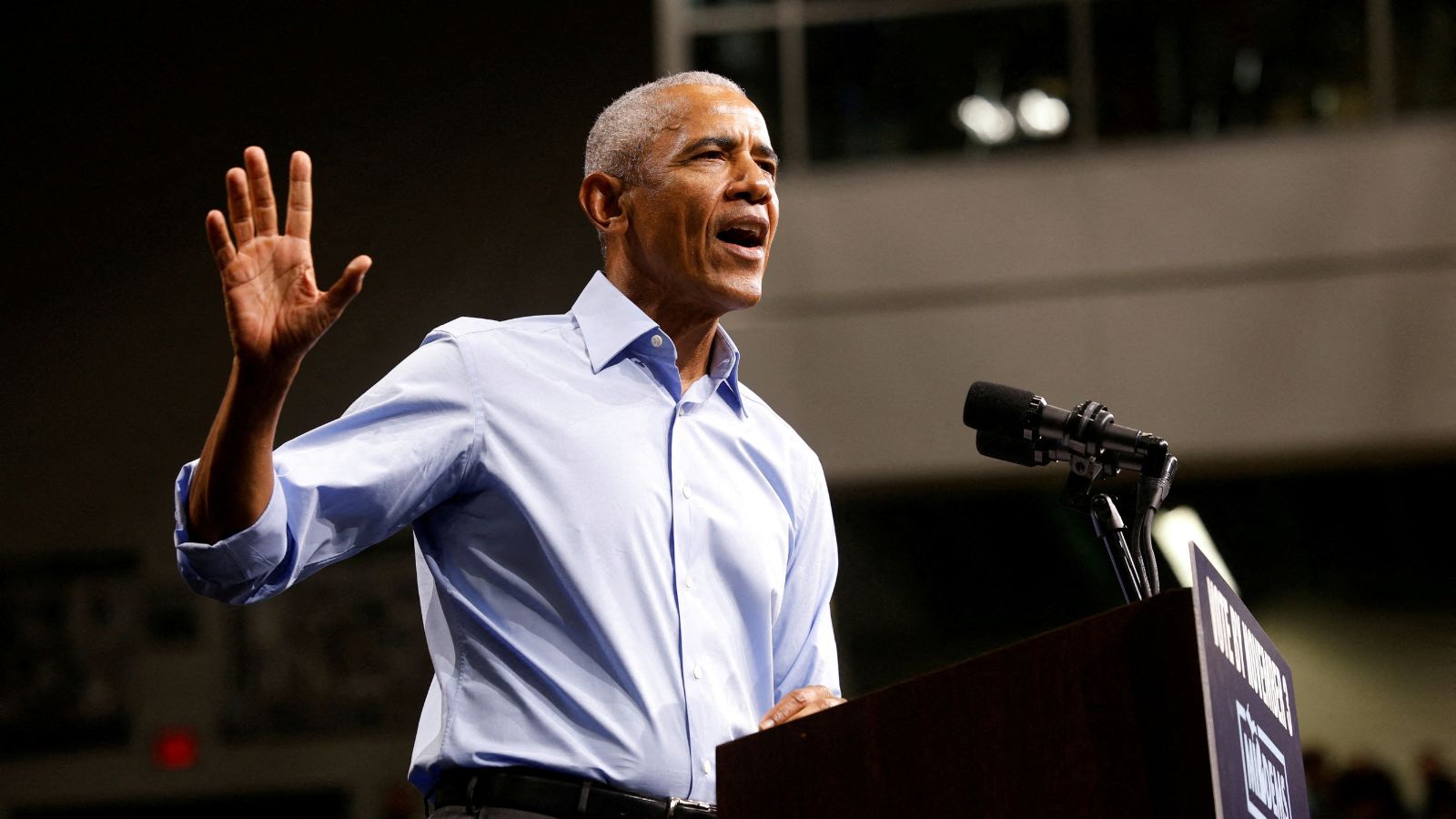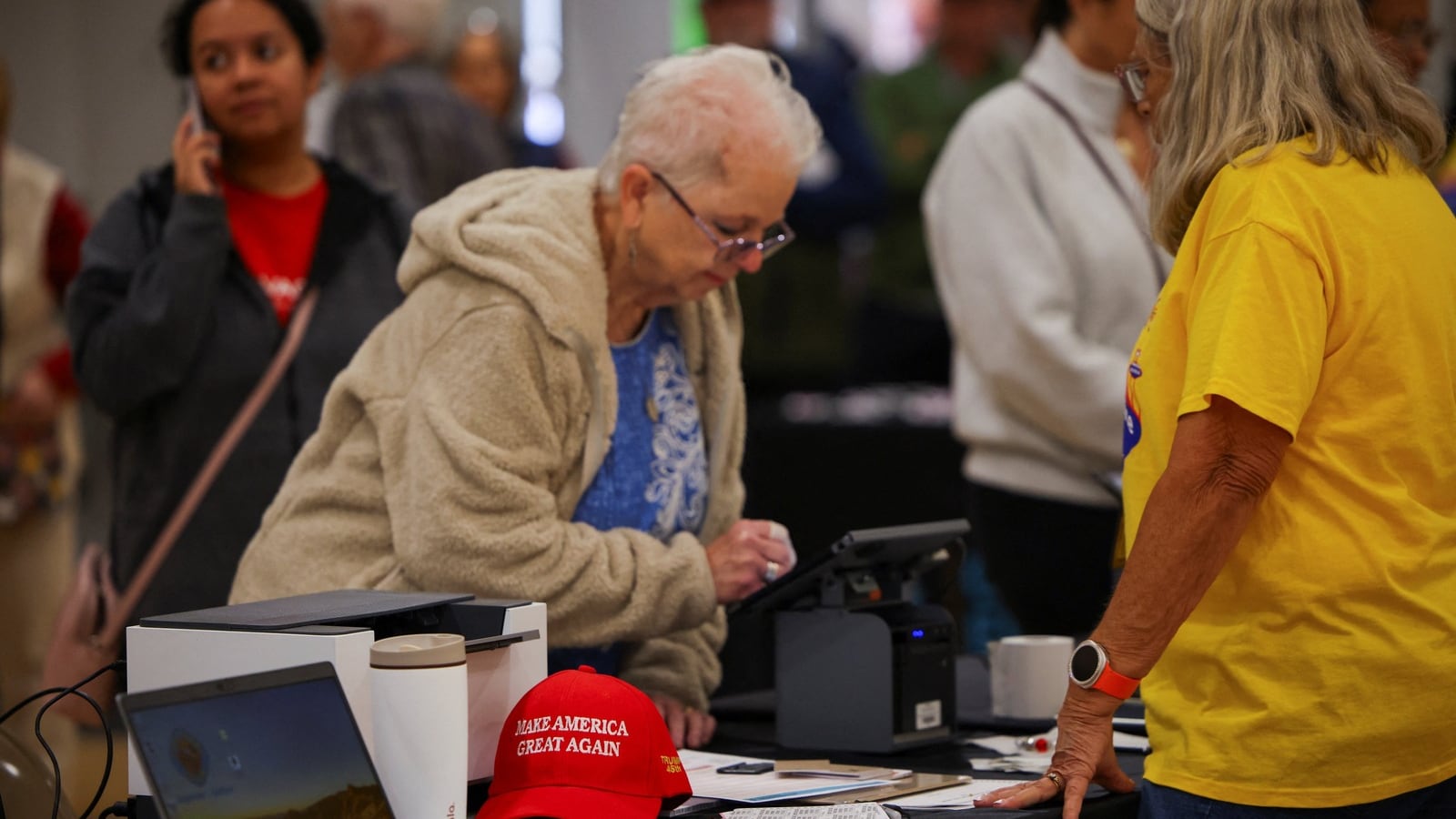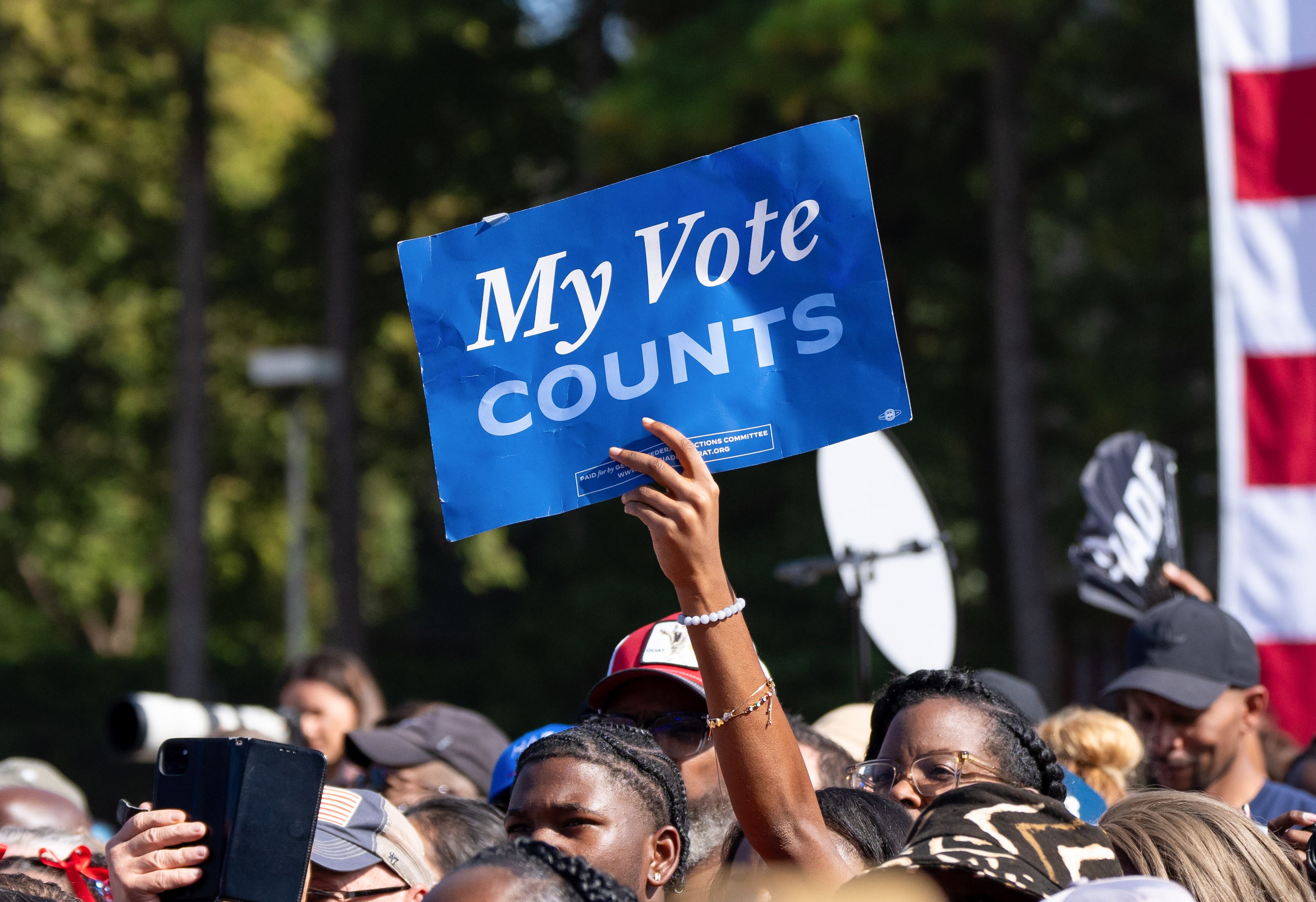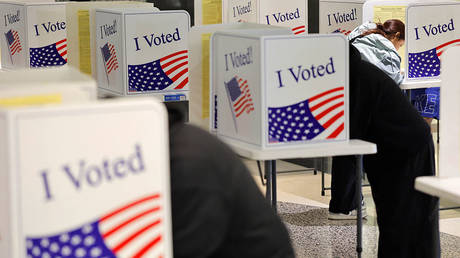
You can't look at a ballot box in Ohio or Arizona anymore and pretend it only matters to the local grocery store owner. When Washington stumbles, capital markets in Frankfurt react, trade routes shift in New Delhi, and defense ministries recalculate in Europe. Every domestic legislative brawl inside the United States has mutated into a global tremor.
We keep missing the point if we view American elections through a purely domestic lens. The midterms aren't just a referendum on inflation rates or presidential approval ratings. They are a loud, chaotic stress test for the entire international system.
The Myth of Global Convergence
For decades following the Cold War, Western capitals operated on a comforting autopilot. The dominant theory was simple. If you spread free markets, liberal democracy would naturally follow in lockstep. Nations would eventually converge around a single set of shared values, rules, and institutions.
History didn't cooperate. Instead of a harmonious global village, we got a fractured collection of regional powers and anxious democracies turning inward.
The US midterms expose the raw nerve of this failure. When domestic politics become hyper-polarized, foreign policy stops being a bipartisan consensus. It turns into a weaponized football for opposing factions. Allies abroad can no longer count on long-term predictability from Washington because a shift in congressional control can instantly freeze foreign aid, upend trade agreements, or shred international treaties.
If you are running a foreign ministry in Europe or Asia, you aren't just watching vote tallies. You are watching the collapse of the reliable American anchor.
Identity Trumps Economic Interdependence
Liberal globalization promised that economic ties would override cultural friction. Trade would make war unthinkable, and money would speak louder than flags.
That script is dead. Look at the intense battles over national identity defining modern American politics. Voters are grappling with deep questions about borders, cultural preservation, and economic sovereignty. This isn't unique to the US. You see the exact same identity panic in European capitals, Latin America, and parts of Asia.
Societies are rediscovering that people care deeply about who they are, not just what they buy. When economic growth slows and inequality widens, universal values get sidelined. Nations retreat behind walls—both literal and economic.
The midterms act as a magnifying glass for this global shift. They show a superpower wrestling with its own reflection, unsure whether it wants to police the globe or fix its own broken plumbing.
What Capitals Around the World Are Actually Watching
Foreign leaders don't care about the political theater of campaign ads. They look at three concrete levers when American voters head to the polls:
- Tariff Authority and Trade Wars: Delegated powers over tariffs mean a fractured Congress alters global supply chains overnight. Protectionism is bipartisan now, and nobody is going back to free-trade utopianism.
- Alliances and Aid Commitments: Long-term defense commitments to Ukraine, NATO, or Indo-Pacific partners hang by a thread during legislative gridlocks and budget showdowns.
- Immigration and Talent Flows: Crackdowns on visas and border policies send immediate shockwaves through global labor markets, hitting tech hubs and student pipelines from Bangalore to Berlin.
These aren't abstract policy debates. They dictate the economic survival and security calculus of sovereign nations thousands of miles away from Washington.
Living With the New Chaos
We are entering a messy era. Countries are deeply interconnected through supply chains and digital networks, yet fiercely determined to carve out independent paths.
You can't escape the fallout of American domestic politics, but you also can't rely on American stability to keep the global ship upright anymore. Every major election has transformed into an international spectator sport because the stakes are planetary.
Stop expecting a return to the old predictable order. The friction is the system now.