Theme parks are supposed to be safe escapes. You pay your entry fee, wait in line for an hour, and expect to walk away with nothing worse than an empty wallet and a mild headache. But amusement park rides carry real mechanical risks. When safety standards slip, the consequences are fatal.
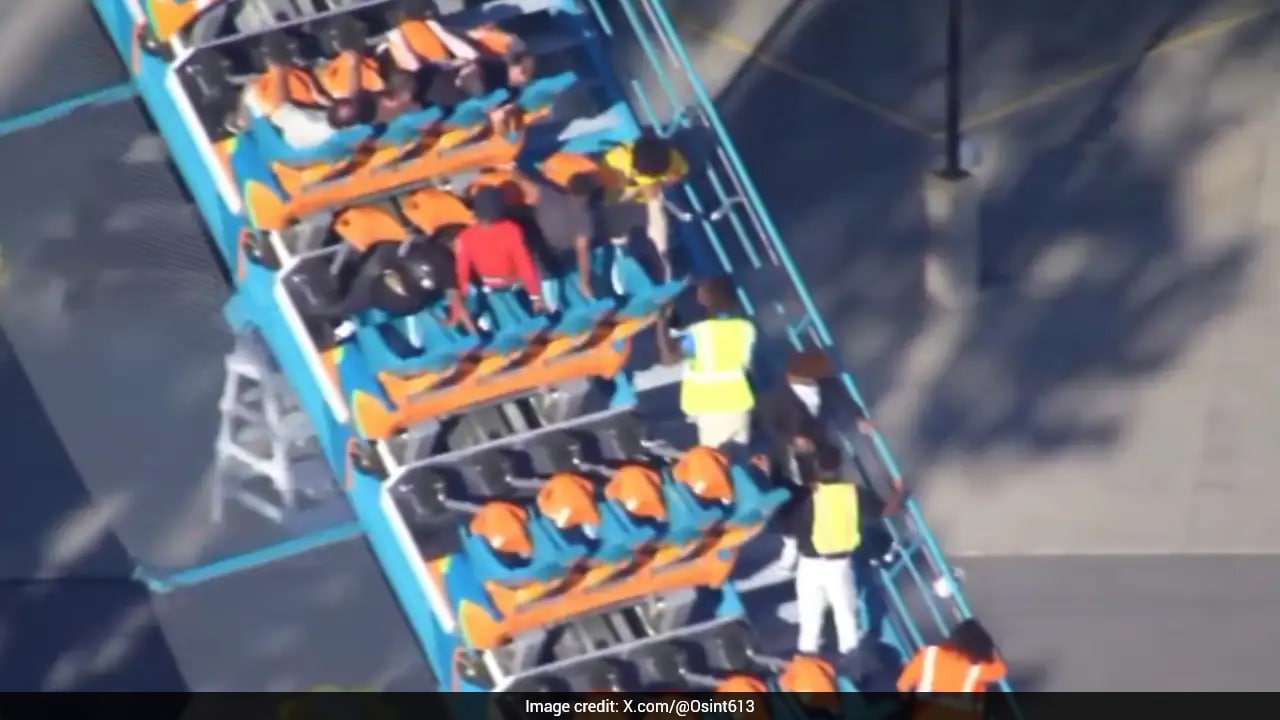
A recent tragedy at Six Flags Over Georgia left one person dead and several others injured. The incident happened Monday afternoon, sending shockwaves through the theme park industry and reigniting intense scrutiny over ride operations, maintenance schedules, and passenger safety protocols.
Police and park officials confirmed the fatality at the facility located about 15 miles northwest of Atlanta. Cobb County law enforcement launched an immediate investigation to determine how the incident occurred. While official statements remain tight-lipped on exact mechanics, local news broadcasts and eyewitness footage pointed investigators toward the park's prominent Goliath roller coaster.
The Reality of High-Speed Thrill Rides
Goliath is no minor kiddie ride. Opening in 2006, the hypercoaster hits speeds up to 70 miles per hour and plunges riders from heights reaching 200 feet. For over three minutes, passengers face intense g-forces, sharp turns, and massive drops. Millions of people ride similar coasters every year without incident. Modern amusement park rides rely on redundant computerized locking systems, hydraulic restraints, and strict daily safety checks.
Yet, hardware fails. Procedures get rushed. Human error creeps into operations when park staff feel pressure to cycle cars faster during peak tourist seasons.
Local archives show this is not the first fatal incident at the Georgia location. Historically, the park has recorded multiple serious incidents over the decades, including a 2006 fatality linked to a medical emergency on the exact same Goliath coaster. Theme park safety advocates have long argued that voluntary self-regulation within the industry leaves too much room for oversight gaps.
Broader Safety Crisis Across Major Theme Parks
This tragedy does not exist in a vacuum. The wider amusement park sector faces a wave of mounting legal pressure and safety concerns.
Just last month, Six Flags Magic Mountain in Southern California announced the retirement of its iconic X2 roller coaster. That move followed explosive lawsuits alleging severe neurological damage caused by the violent motion of the ride. Legal filings revealed multiple lawsuits claiming traumatic brain injuries, paired with a recent wrongful-death settlement involving a young rider.
Meanwhile, across the country in Florida, operators face ongoing questions regarding high-speed ride safety following accidental blunt-impact deaths at major resort parks. When multi-million-dollar thrill machines push human physiological limits closer to the edge, the margin for mechanical or operational error shrinks to zero.
What Families Need to Know Before Riding
If you're planning a trip to an amusement park this season, stop treating safety signs as background decoration. You need to take an active role in protecting yourself and your family.
First, pay close attention to ride operator behavior. If the ride attendants are rushing through harness checks, talking to each other instead of looking at restraint indicators, or skipping physical tugs on lap bars, step out of line. You have the right to refuse a ride.
Second, understand your own physical limits. High-acceleration coasters subject the human body to violent lateral and vertical g-forces. If you have pre-existing neck, back, or cardiovascular conditions, skip the hypercoasters entirely. The adrenaline spike isn't worth a ruptured disc or a cardiac event.
Amusement parks sell an illusion of carefree fun, but heavy machinery demands absolute respect. Until regulatory bodies impose stricter federal oversight on theme park maintenance and ride tracking, the burden of safety falls squarely on your shoulders. Stay alert, trust your instincts, and don't ignore red flags when you see them.