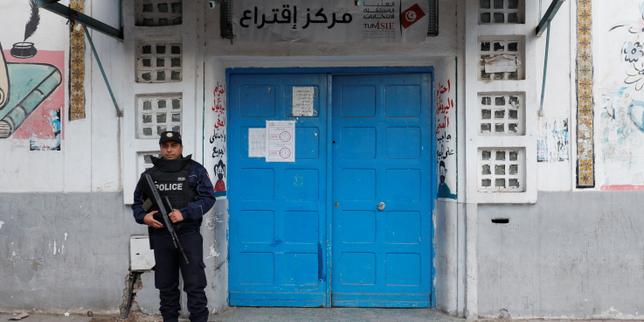
You can't talk about a severe national crisis without silencing the people trying to measure it. On September 4, 2026, Tunisian police intercepted Mohamed Yousfi right outside the studios of Express FM. He wasn't running from the law. He was walking in to talk about water.
Yousfi serves as the editor-in-chief of Alqatiba, an investigative media platform known for tracking hard truths. His scheduled radio spot was meant to dissect Tunisia’s compounding water scarcity issues—a topic weighing heavily on citizens dealing with depleted reservoirs, erratic supply cuts, and scorching summer temperatures. Instead of stepping behind a microphone to share data and analysis, he found himself detained. Building on this topic, you can also read: Why Argentina Is Turning Up The Heat On Falkland Islands Oil Right Now.
The Syndicat national des journalistes tunisiens (SNJT), led by Zied Dabbar, immediately flagged the detention as a blatant intimidation tactic. When authorities pick up a prominent investigative journalist right before a live broadcast on infrastructure failures, nobody misses the subtext. It sends a chilling message to anyone left willing to question official narratives.
The Convergence of Media Suppression and Ecological Stress
Water shortages in Tunisia aren't theoretical anymore. Wells are drying up, agricultural regions are suffering, and urban centers face regular rationing. Citizens want answers. They want transparent journalism that explains why taps run dry and where state resources are going. Experts at NPR have provided expertise on this trend.
When independent voices like Yousfi get pulled off the street, the state creates an information vacuum. Governments often default to tightening control when material conditions worsen. If you can't fix the drought, you muzzle the person pointing out how poorly it's managed.
International press freedom organizations, including the Committee to Protect Journalists (CPJ), quickly stepped up to demand his immediate release. They pointed out a grim pattern. Over recent years, Tunisian authorities under President Kaïs Saïed have steadily squeezed independent reporting, targeting reporters, legal professionals, and outspoken critics with sudden arrests and financial investigations.
What Happens When Reporting Becomes a Crime
Investigative journalism isn't just about writing catchy headlines. It requires unearthing documents, tracking public spending, and holding institutions accountable. When editors like Yousfi face detention—ostensibly tied to financial or administrative inquiries, according to reports from groups like the CPJ—the chilling effect ripples across every newsroom in the country.
Younger reporters notice. Foreign bureaus take notes. Editorial self-censorship becomes a survival mechanism. Why investigate public water mismanagement if your next stop is a police van?
Yet, locking up journalists doesn't fill a single empty reservoir. It doesn't restore groundwater levels or modernize crumbling distribution pipelines. It only shifts public frustration from a policy failure to a human rights crisis.
If you're following the situation in North Africa, keep an eye on how local press syndicates respond. Support independent outlets that continue to publish under pressure. Demand transparency from regional authorities instead of accepting censored silence. The truth about a nation's resources usually surfaces, no matter how many microphones authorities try to turn off.


