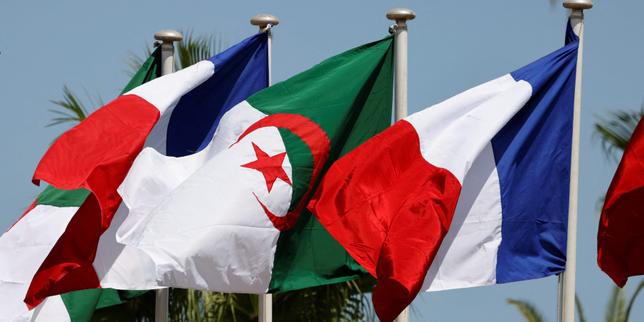
Diplomatic channels don't usually unclog this fast. When authorities in Algeria picked up Mehdi Laribi and Djamel Djeha in quick succession, it sent a shockwave through the underworld spanning from Marseille to Algiers. These aren't low-level street dealers. We're talking about high-ranking figures linked directly to the notorious DZ Mafia and the lucrative drug networks of La Castellane.
For years, getting cooperation across the Mediterranean felt impossible. Now, the tide has turned. Let's look at why these high-profile detentions matter and what they actually signal for bilateral relations.
Breaking Down the Arrests of Laribi and Djeha
The operation didn't happen in a vacuum. Late July marked the capture of Mehdi Laribi, a primary target for French magistrates and a founding pillar of the DZ Mafia. Barely days later, Djamel Djeha—tied deeply to the drug trade traditionally anchored in Marseille's La Castellane district—was also apprehended and placed under judicial control.
If you follow organized crime trends, you know the DZ Mafia has spent years treating Marseille like a battlefield while expanding its violent footprint. Having key architects of this violence neutralized on Algerian soil shatters the illusion of safe havens abroad.
The Diplomatic Engine Behind the Handcuffs
Why now? You can trace this direct shift back to high-level political exchanges. Weeks prior, French justice officials traveled to Algiers to press for active judicial cooperation. For a long time, extradition and local arrests of dual nationals or fugitives faced heavy bureaucratic friction.
When ministers shake hands and transmit specific arrest warrants, results usually take months—if they come at all. The rapid turnaround on both Laribi and Djeha suggests Algiers is willing to throw its weight behind stamping out transnational syndicates that use its territory as a fallback option. It's a calculated move. Algeria wants to project an image of stability and zero tolerance toward transnational criminal gangs, while Paris gets tangible wins in its relentless war against drug trafficking.
What Happens to the Marseille Drug Wars Next?
Don't expect the cartels to collapse overnight. Narcotrafficking networks adapt quickly. When a boss goes down, lieutenants scramble for the throne.
However, losing figures of this caliber starves the network of strategic coordination. The DZ Mafia relied heavily on cross-border logistics, safe houses, and illicit financial flows routed outside of France. Cutting off the head of the snake in North Africa disrupts their long-term survival strategy.
Pressure is mounting. Criminals who thought an overseas escape hatch guaranteed permanent immunity are running out of options. Paris and Algiers have just proven that diplomatic friction can take a backseat when the cost of harboring violent cartels gets too high for everyone involved.