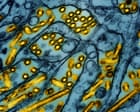
The news everyone in the biosecurity space feared has finally broken. The highly pathogenic H5N1 avian influenza strain has officially made landfall on mainland Australia. A brown skua, a migratory seabird discovered sick at Cape Le Grand National Park near Esperance in Western Australia, tested positive for the lethal strain. Another bird, a giant petrel found nearby, is currently being quarantined and evaluated.
For years, Australia stood as the last global sanctuary untouched by this specific devastating wave of bird flu. That isolation is gone. Experts are rightly calling this a genuine wildlife emergency. It demands immediate attention because our native ecosystems have zero pre-existing immunity to this specific pathogen.
At the exact same time, the federal government dropped a massive economic buffer, extending the fuel excise rebate for an additional month to combat cost of living pressures stemming from global energy disruptions. Let's pull apart what these developments actually mean for your wallet, your local environment, and the country's immediate future.
The Biosecurity Shield Just Cracked
When Julie Collins, the federal Minister for Agriculture, Fisheries, and Forestry, confirmed the positive test result alongside Chief Veterinary Officer Beth Cookson, it signaled a profound shift in Australia's biosecurity reality. Since 2020, this specific global H5N1 lineage has torn through Europe, the Americas, and even Antarctica, decimating wild bird colonies and leaping into marine mammals.
We aren't talking about a standard flu that makes birds a bit sluggish. This strain is brutal. It causes high mortality rates, rapid neurological decline, and sudden death. Until now, geographical isolation and strict quarantine borders kept the mainland safe. The arrival via a wild migratory bird proves that no amount of border control can stop a crisis carried on the wind.
The timing is incredibly sensitive. Just days ago, reports emerged that more than 13,000 seal pups died on a remote Australian island from related ecological shocks. Introducing a highly contagious, lethal virus to an already stressed marine and coastal ecosystem could spark an unprecedented ecological disaster. BirdLife Australia chief executive Kate Millar pointed out that this could be the start of a multi-year fight to protect our native species. Black swans, penguins, and unique raptors are all directly in the firing line.
What This Means for Your Local Ecosystem
If you love the Australian bush or frequent coastal tracks, the environment is about to look very different. Biosecurity officials aren't mincing words. You need to change how you interact with wildlife immediately.
The immediate instructions from the Department of Agriculture are straightforward but vital. If you see a sick bird, a cluster of dead birds, or marine mammals acting strangely on a beach, don't go near them. Don't let your dog sniff them. Don't try to be a hero and rescue them yourself.
Instead, call the Emergency Animal Disease hotline on 1800 675 888 immediately. Early tracking is the only tool authorities have to map out where the virus is spreading and attempt to isolate local outbreaks before they reach critical commercial poultry hubs or endangered species sanctuaries. Threatened Species Commissioner Fiona Fraser indicated that authorities will know within days whether this strain has managed to establish a permanent foothold in local populations.
The Cost of Living Relief at the Pump
While the environmental sector prepares for war, the federal government is simultaneously trying to put out fires in the domestic economy. In a surprise concurrent announcement, the Albanese government extended the fuel excise rebate for an extra month.
This decision is directly tied to escalating global tensions and supply issues. Shipping vulnerabilities through the Strait of Hormuz and broader regional conflicts have kept energy markets incredibly volatile. While pump prices in some metro areas had recently stabilized, the underlying threat of a massive price spike remains high.
The extension offers direct, measurable relief to everyday drivers and logistic networks. A month might not sound like much, but for transport fleets, regional communities, and suburban families balancing tight budgets, it stops a sudden surge in transport overheads from feeding directly into supermarket shelf prices. It is a temporary band-aid, but a necessary one while the broader transition to electric transport and domestic energy security slowly grinds forward.
Immediate Steps to Take
The situation is evolving fast, but you don't have to just watch it happen. Take these practical steps to protect your household and your local community.
- Program the Hotline: Save the Emergency Animal Disease hotline number (1800 675 888) into your phone right now if you hike, surf, or spend time in coastal areas.
- Secure Your Home Poultry: If you keep backyard chickens, look into biosecurity measures today. Ensure wild birds cannot access your flock's food or water sources. Use netting to restrict contact.
- Report Strange Wildlife Behavior: Look out for birds displaying neurological signs like lack of coordination, a twisting neck, or inability to fly. Report it instantly.
- Budget the Fuel Savings: Use the extra month of the fuel excise rebate to offset transport costs, but don't assume prices will stay low forever. Global energy supply chains remain highly unpredictable.
This isn't a time to panic, but it is absolutely a time to pay close attention. The barrier that kept Australia safe from global wildlife disease trends has officially come down.