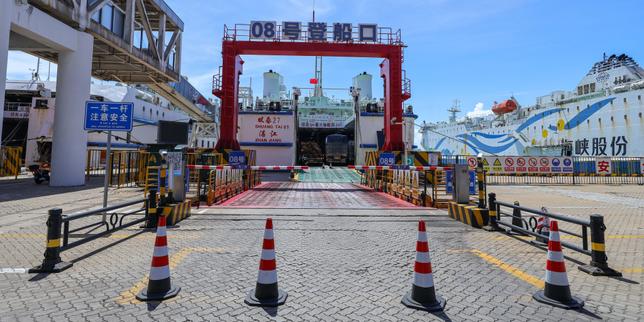
Cargo ships sit stranded outside major Asian ports while a super El Niño cycle rewrites the rules of ocean logistics. If you think global supply chains have recovered from past shocks, look closer at the Pacific right now. Extreme weather isn't an occasional hiccup anymore. It's becoming the baseline cost of moving goods across the world's busiest trade routes.
The Pacific Pressure Cooker
Weather patterns don't care about quarterly shipping targets. This year's powerful El Niño event has shifted sea surface temperatures and altered atmospheric pressure across the equatorial Pacific. The result is an explosive typhoon season in the Northwest Pacific. Meanwhile, you can read other stories here: Why The Us China Trade War Is Backfiring Hard Ahead Of The Xi Trump Summit.
Meteorological agencies like Weathernews Japan anticipated an unusually high number of tropical storms, but the intensity and duration are catching maritime operators off guard. These aren't standard seasonal squalls. We are talking about long-lived storms that track further, linger longer, and pack enough energy to turn major shipping lanes into high-risk zones.
Port authorities from the Philippines to China and Japan face continuous closures. Cranes stop moving. Berths remain empty. Ships drop anchor miles offshore, waiting days just for a weather window to dock. To understand the complete picture, check out the excellent report by The Wall Street Journal.
The Domino Effect on Global Supply Chains
Maritime transport doesn't operate in isolated bubbles. When a container vessel loses five days waiting out a typhoon off the coast of South China, it throws off schedules for every subsequent port of call.
Carriers are burning extra bunker fuel to outrun storms or taking longer, circuitous routes to bypass high-intensity zones. That burns cash and inflates freight rates on key Asian export corridors. Shippers pass those costs down the line, creating sudden spikes in transportation budgets for retailers and manufacturers worldwide.
Insurance markets are reacting too. Reinsurers like Munich Re have flagged the compounding financial risks of these extreme weather patterns across the Asia-Pacific region. Premiums climb. Coverage gets tighter. Risk management teams spend less time negotiating volume discounts and more time planning contingency routes for cargo that might get stuck at sea indefinitely.
Operational Realities for Modern Fleets
Captains and fleet managers are forced to change how they handle Pacific crossings during active El Niño phases. Old routing software built on historical averages often fails when storms behave erratically.
- Dynamic Routing: Crews rely on real-time satellite telemetry rather than fixed schedules.
- Port Congestion Buffers: Logistics planners now build mandatory multi-day delays into transit estimates for any vessel touching Southeast Asian hubs.
- Fuel Contingencies: Ships carry heavier fuel loads to handle sudden detours around developing super-typhoons.
Waiting out the storm used to be a minor operational expense. Today, it eats straight into profit margins and triggers penalty clauses for late cargo deliveries.
What Comes Next for Ocean Freight
El Niño cycles will continue to test the resilience of global supply chains. Pretending these weather disruptions are anomalies is an expensive mistake. Shippers, manufacturers, and port operators must treat climate volatility as a permanent variable in trade economics.
Audit your current transport contracts today. Build realistic buffer times into your inventory planning, diversify your port entry points where possible, and stop relying on rigid just-in-time delivery models that shatter the moment a typhoon stalls traffic in the Pacific.