You can write code with algorithms, but you can't fake a human soul. Australia's premier music industry body just drew a hard line in the sand. The Australian Recording Industry Association (ARIA) officially updated its Charts Code of Practice to ban wholly artificial intelligence-generated tracks from entering the official national charts.
If a song lacks human blood, sweat, and tears, it doesn't get a trophy.
This isn't just about preserving old-school nostalgia. It is a calculated defense mechanism for an industry facing an existential threat. When a computer program can scrape millions of copyrighted tracks and spit out a hit single in thirty seconds, human creators lose their livelihoods. ARIA's move forces a clear distinction between technological assistance and outright synthetic impersonation.
The Line Between Tool and Impostor
Let's clear up how the new standard actually works. ARIA isn't banning production software or digital plugins. Producers have used pitch correction, digital synthesizers, and smart audio tools for decades.
The updated rules draw a sharp boundary based on a simple test: Is the track substantially human-made?
- AI-Assisted Tracks Remain Eligible: If a human artist writes the lyrics, records the vocals, shapes the composition, and uses AI in a minor supporting role—lawfully and transparently—the song stays on the chart.
- Wholly AI Tracks Are Out: Songs generated entirely by text prompts or synthetic voice models are barred completely. They cannot chart, they cannot win awards, and they cannot take up spaces meant for real artists.
ARIA CEO Annabelle Herd put it bluntly when speaking about the update. She noted that a chart rewarding unlicensed machine output undercuts the entire foundation of recorded music. Why should a server farm compete directly with a bedroom producer in Sydney or a punk band in Melbourne?
Why This Decision Had to Happen Now
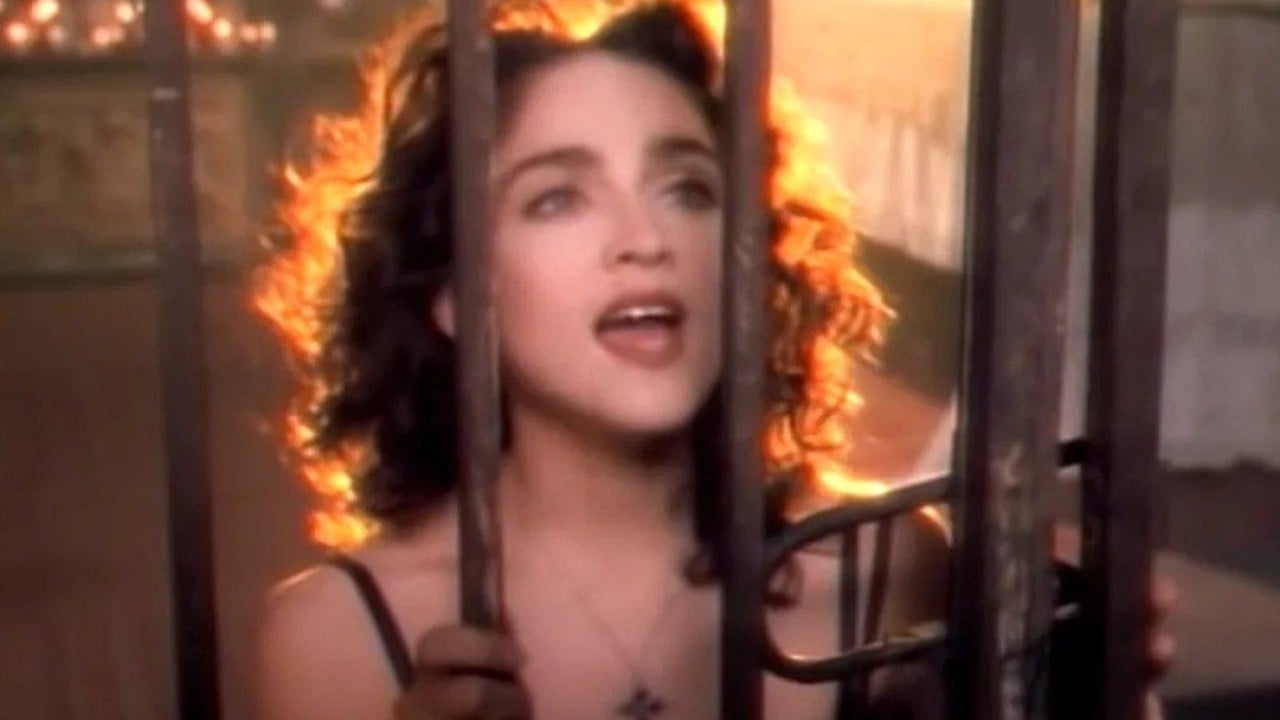
You don't have to look hard to find the catalyst. Earlier in the year, synthetic covers and algorithm-driven tracks flooded public airwaves and streaming rotations. High-profile releases—such as a heavily AI-assisted cover of Madonna's classic "Like a Prayer" that dominated Australian radio and charts—flashed warning signs across the industry.
When listeners cannot tell if they are supporting a real human artist or a tech company's data scrapers, the ecosystem breaks down. Copyright laws in Australia have already begun tightening around unauthorized AI training data. Extending that protection to the official charts was the next logical step.
Platforms are feeling the squeeze too. Spotify and other streaming giants are rolling out creator tags and artificial persona badges to label synthetic uploads. Yet, charts carry cultural weight. They dictate radio play, sync deals, and touring revenue. Handing those achievements over to an algorithm sets a dangerous precedent.
What Happens When Someone Breaks the Rules?
ARIA didn't just write a polite suggestion. The organization backed its code update with sharp enforcement teeth.
If an artist or label tries to sneak a fully synthetic track past the gatekeepers, ARIA holds the right to refuse entries, wipe tracks from past charts retrospectively, and strip away peak position accreditations. If a track already won a high chart placing before discovery, that position can be pulled right back down.
Creators who believe their track was wrongfully flagged do have a dispute process available. They must provide verifiable proof of human authorship and legal compliance. The burden of proof rests squarely on showing that real people did the heavy lifting.
Protecting the Future of Australian Music
The music business has survived massive shifts before. Vinyl gave way to cassettes, cassettes to CDs, and CDs to streaming. Each transition caused panic, but none attacked the core definition of authorship quite like generative machine learning.
Software doesn't feel heartbreak. It doesn't experience late-night studio sessions or live gigs in sticky-floored pubs. By locking synthetic tracks out of the official charts, Australia ensures that its national soundtrack remains a reflection of human experiences.
Support real creators, buy physical or digital records from working artists, and demand transparency from the platforms you stream on every day.