You’ve probably never thought much about where your empty oyster shells end up after a fancy dinner. Most people assume they’re just trash. In reality, those calcium-rich shells are the secret weapon for reviving an entire underwater ecosystem that was nearly wiped out by human neglect.
For over a century, Australia’s bays and estuaries were stripped of their native shellfish reefs. European settlers arrived, and they treated these living structures like infinite supplies of food and construction material. By the time the dust settled, the once-bustling underwater neighborhoods were effectively ghosts.
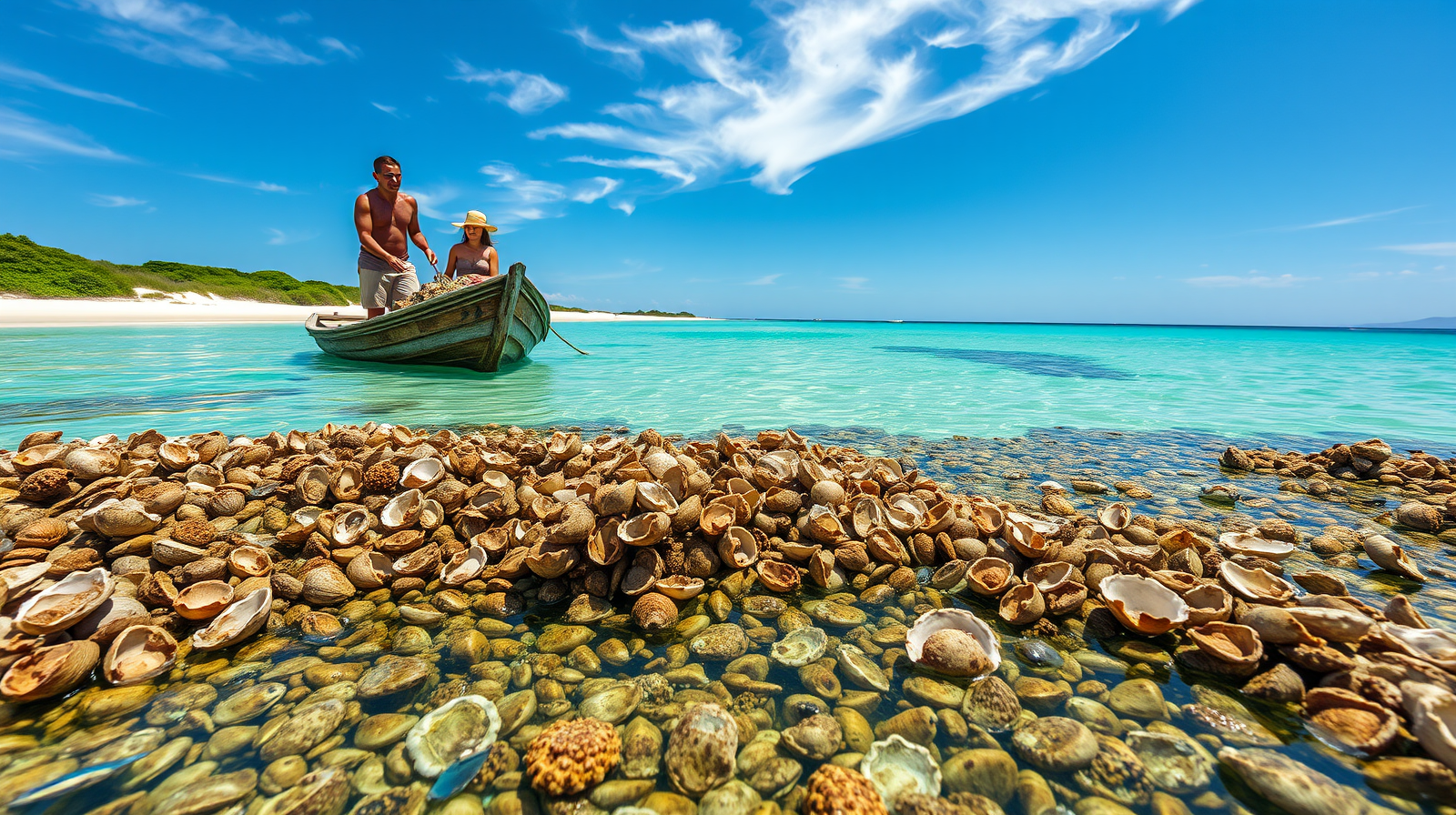
But there’s a massive project currently underway to fix this. It’s not about high-tech robotics or expensive chemicals. It’s about trash. Specifically, 150,000 wheelbarrows of discarded shells.
The Problem with a Naked Seafloor
If you want to grow a forest, you need soil. If you want to grow an oyster reef, you need a hard, complex surface for baby oysters—or "spat"—to grab onto. When those reefs were dredged and destroyed, we didn't just kill the oysters; we removed the "soil" they needed to reproduce.
Without that hard foundation, larvae have nowhere to land. They essentially float around until they die or get eaten.
Restoration experts at The Nature Conservancy realized that instead of mining more rock, they could go to the source: restaurants and aquaculture businesses. They’re taking shells that would have rotted in a landfill and dumping them back into the water. It provides the perfect, textured base for new colonies to start building.
Why This Actually Works
This isn't just a feel-good gardening project for the ocean. The results are hitting hard.
- Water Filtration: One adult oyster can filter a bathtub's worth of water in a single day. At scale, these reefs are removing tons of nutrient pollution that would otherwise lead to toxic algal blooms.
- Biodiversity Hotspots: Restored sites are showing a massive spike in life. Scientists have tracked roughly 250 species of fish and invertebrates in restored zones. Nearby, unrestored areas usually hover around 175 species.
- Fish Stocks: We’re talking about an extra 50 tonnes of fish per year in the restored zones. That number is expected to double by 2030.
Moving Past the Hype
It’s easy to get excited about big numbers, but the real work happens in the mud. The "Reef Builder" initiative, which spanned 13 locations across Australia, wasn't just about throwing shells into the ocean. It was an exercise in logistics.
You have to collect the shells, clean them, sanitise them, and then transport them to specific coordinates where the currents and water depth are just right. It’s manual, gritty labor. It also happens to provide a massive economic boost. The program created over 400 jobs and supported dozens of small businesses during a time when coastal communities were hurting from the pandemic and bushfires.
Getting Involved Without a Boat
You don't need to be a marine biologist to see why this matters. If you live in an area with a "Shells for Reefs" program, the process is dead simple. You enjoy the oysters, and instead of tossing the shells in the bin, you drop them at a designated collection point.
Charity groups like OzFish handle the rest. They take those shells, sort them, and use them to create the next foundation for a reef. It’s one of the few environmental initiatives where you can literally see the result of your leftovers becoming a habitat for marine life.
What’s Next for Our Coasts
The goal now is to reach 300 hectares of restored reef by 2030. That would make Australia the first country to successfully recover a critically endangered marine ecosystem on this scale. It’s an ambitious target, and it’s going to require more than just empty shells. It needs ongoing monitoring, community participation, and a shift in how we value our estuaries.
If you’re interested in the health of your local waters, start by looking for local shell recycling drop-off points or volunteer days. It’s the most direct, hands-on way to support the recovery. Stop treating shells like waste and start seeing them as the literal building blocks of our marine future.
The ecosystem isn't waiting for a miracle. It’s waiting for the right surface to grow on. We have the shells; we just need to put them where they belong.