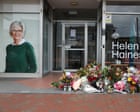
You run for public office to fix local potholes, argue about funding, or represent your community in Canberra. You don't sign up to wonder if someone is waiting outside your front door with nunchucks or worse. Yet, that is the grim reality facing federal politicians right now. Following a horrific alleged attack on independent MP Helen Haines in Wangaratta—which left her with catastrophic injuries—Australian lawmakers are waking up to a chilling truth. If you want your home and family secured properly, you might just have to foot the bill yourself.
Recent briefings between parliamentarians, the Australian Federal Police (AFP), and Asio have laid bare an escalating crisis. Harassment and threatening behavior toward office holders have jumped significantly, with the AFP recording over a thousand reports last year alone. Electorate offices are wide open by design, and local MPs are finding that standard government risk assessments often leave glaring blind spots around residential safety.
The Cost of Protecting Your Own Front Door
Ministers get the heavy-duty security treatment, but backbenchers and regional MPs live completely different lives. They go to the local supermarket, walk their dogs, and live in standard suburban houses where constituents know their street addresses. When standard security audits don't cover residential cameras, upgraded lighting, or boundary reinforcement, politicians are pulling out their own credit cards.
Several MPs across the political spectrum admit they have spent thousands of dollars of their own money installing floodlights, security cameras, and reinforced gates. It's an absurd position for an elected official. You represent the system, which makes you a lightning rod for public fury, but you're left unprotected when you clock off for the night.
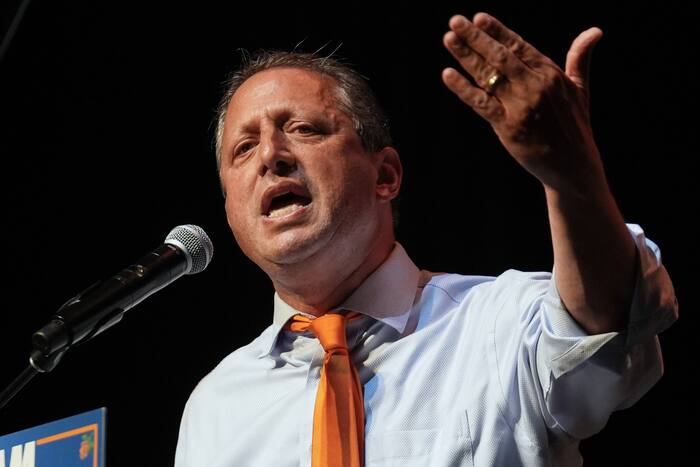
Regional politicians face a particularly brutal set of circumstances. Nationals MP Sam Birrell noted that regional MPs are hyper-visible in their communities. People know where they live, where their kids go to school, and where they grab a coffee. When local police are stretched thin and federal agencies focus heavily on major capital cities, regional representatives feel exposed and under-resourced.
Bureaucratic Roadblocks and Budget Frustrations
You would think that during a spike in political violence and hostility, securing an electorate office would be straightforward. Labor backbenchers have privately expressed intense frustration with the finance department, pointing out that funding for office security measures is slow, rigid, and treated like an ordinary budget line item rather than an urgent safety priority.
Independent MP Monique Ryan pointed out that while bollards or upgraded office entryways might make a team feel safer, politicians shouldn't have to battle red tape just to keep their staff from being harassed. When a man was recently arrested in Perth after allegedly causing a disturbance at an electorate office while carrying a weapon, it reinforced a terrifying baseline. Electorate staff are on the front lines of public anger, and they deserve better than bureaucratic delays.
The core tension is simple. Lawmakers want constituents to be able to walk through their doors to raise issues. They don't want to turn parliament and local offices into armed fortresses because that means the hostile actors have won. But keeping democracy open shouldn't require elected representatives to risk their lives or drain their personal savings accounts to install basic home security.
What Needs to Change Right Now
If Australia wants to maintain a functional, accessible democracy where citizens can actually talk to their elected officials, the current approach to politician and staff security needs a complete overhaul.
- Streamline Electorate Funding: Strip away the tedious bureaucratic hurdles from the finance department so MPs can upgrade office security immediately without waiting months for approvals.
- Extend Residential Assessments: Security agencies must expand their risk assessments to cover the actual homes of backbenchers and regional MPs, rather than drawing arbitrary lines based on ministerial rank.
- Clear Guidance on Visibility: Provide definitive, practical advice on managing public exposure, mobile offices, and online safety so MPs aren't left guessing how to protect themselves.
Threats are rising, and the environment is turning increasingly volatile. Treating political security as an optional luxury or a DIY home-improvement project is a recipe for disaster. It is time to fix the system before another tragedy hits.