If you planned to cruise down Great Britain's north-south rail mainlines for a peaceful summer holiday, I have bad news. You need a backup plan right now.
The UK intercity rail network is stumbling into a perfect storm of systemic vehicle failures and a fresh wave of union battles. It is not just minor delays we are talking about. We are looking at a complete gutting of core timetables on the Midland mainline and looming total shutdowns on the East and West Coast lines.
If you are trying to travel between London, Manchester, Edinburgh, or Sheffield over the coming weeks, relying blindly on national rail apps will leave you stranded on a crowded platform. Here is what is actually happening behind the scenes, why the system is breaking down, and how to protect your travel plans.
The Three Mainlines Facing Total Meltdown
The crisis hits the three primary arteries that connect London to the north. Each line is suffering from its own unique brand of dysfunction.
1. Midland Mainline: The Hitachi Train Failure
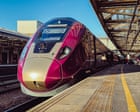
East Midlands Railway (EMR) dropped a bombshell by slashing about 20 fast trains a day from its intercity timetable connecting London, Sheffield, and Nottingham. The culprit? Their brand-new, multi-million-pound Class 810 "Aurora" fleet.
These bi-mode diesel-and-electric trains were supposed to be the future of the line. Instead, they hit the tracks three years late only to suffer massive "performance and reliability issues," according to EMR managing director Will Rogers. Worse, the older Class 222 trains they were meant to replace are falling apart due to poor maintenance. The result is a drastically reduced timetable, shorter trains, and severe overcrowding.
Safety concerns are also looming large. Investigators are still untangling the details of last month's fatal train crash near Bedford, where an Aurora train experienced a sudden automatic warning system fault on the mainline before being struck by another train.
2. East Coast Mainline: LNER Pay Deal Collapses
On the eastern side of the country, LNER—which runs the vital route between London King's Cross, Leeds, and Edinburgh—is staring down a massive strike threat.
The train drivers' union, Aslef, just launched a strike ballot after a previously negotiated pay deal completely fell through. Union leadership blames the Department for Transport (DfT) for refusing to sign off on the terms agreed with the state-owned operator. If drivers vote to strike, the industrial action will likely hit by late August, right in the middle of the bank holiday rush.
3. West Coast Mainline: Avanti’s Ongoing Ghost Timetables
Avanti West Coast is already a nightmare for commuters, but it is about to get much worse. Aslef drivers are currently voting on strike action over stalled pay negotiations.
Because the union refused to renew its rest-day working agreement, Avanti is already quietly dropping services because they do not have enough drivers willing to work overtime shifts. A formal "yes" vote on this ballot means full-scale walkouts are just weeks away.
What the Rail Operators Are Not Telling You
When rail companies issue press releases about "temporary reduced timetables," they make it sound like a clean, organized adjustment. It isn't.
When an operator removes 20 fast trains a day, the remaining services have to absorb all those displaced passengers. You can expect extreme short-forming. This means you might book a ticket on a ten-carriage train, but only five carriages will show up. Your reserved seat won't exist, and you will spend three hours crammed into the vestibule next to the toilets.
Furthermore, because LNER is state-run and Avanti is privately operated under a tight government contract, both are entirely dependent on the DfT to approve pay increases. The government is playing hardball, and the unions aren't backing down. This means these strike ballots will almost certainly result in heavy walkouts by late August.
How to Protect Your Travel Plans This Summer
Do not wait for a cancellation email to scramble for alternatives. If you must travel through these corridors in July or August, use these tactical workarounds.
- Book Coach Alternatives Early: National Express and Megabus routes running parallel to the M1 and M6 will sell out the second official strike dates are announced. Lock in a cheap coach ticket now as a safety net.
- Ditch the Fast Trains on EMR: If you are traveling between London and the East Midlands, look at regional, slower services or alternative routes via cross-country connections. They take longer but do not rely on the broken Hitachi fleet.
- The 14:00 Rule for Ticket Refunds: Under National Rail conditions of carriage, if your train is cancelled or delayed, you are entitled to a full, fee-free refund. If a strike is called, log into your ticketing app immediately to claim it or to switch your travel window.
- Track the Aslef Ballot Timelines: The strike ballots rolling out now mean we will know the official strike dates by early August. Legally, unions must give 14 days' notice before a walkout. Mark your calendar for two weeks out from the late August bank holiday; that is the danger zone.
The intercity rail network is broken, and nobody is coming to fix it before autumn. If you don't build flexibility into your calendar right now, you are going to get burned.