The mineral-rich earth of Pakistan's southwest is burning again. When armed insurgents block major transit routes and challenge state infrastructure, the shockwaves reach far beyond regional boundaries. You aren't just looking at a local skirmish. You're watching a persistent security crisis that exposes deep fractures within Pakistan's federal framework.
If you want to understand why security forces face unrelenting pressure in Balochistan, you have to look at the tactical evolution of groups like the Baloch Liberation Army (BLA). They don't just launch hit-and-run raids anymore. They orchestrate complex, synchronized blockades and large-scale assaults that paralyze commerce and rattle military command centers.
The Anatomy of Modern Insurgent Blockades
Logistics win wars, and insurgent groups know it. By cutting off highways, attacking convoys, and targeting vital transport arteries, outfits like the BLA isolate entire districts. Commuter traffic halts. Supply chains fracture. When hundreds of vehicles find themselves trapped or destroyed during sweeping highway blockades, the economic toll on Islamabad is immediate.
Pakistani military authorities routinely respond with heavy counter-offensive operations, claiming massive insurgent casualties running into the hundreds during intense flare-ups. Yet, the violence refuses to die down. Why? Because the core grievances—rooted in resource exploitation, political alienation, and allegations of forced disappearances—remain entirely unaddressed.
Why Traditional Counter-Insurgency Fails Here
Pakistan's security establishment relies heavily on brute force and sweeping military lockdowns. It doesn't work long-term.
- Asymmetric Tactics: Insurgents blend into local populations, making conventional army sweeps less effective.
- Economic Sabotage: Targeting energy projects, foreign firms, and transport lines starves the state of revenue.
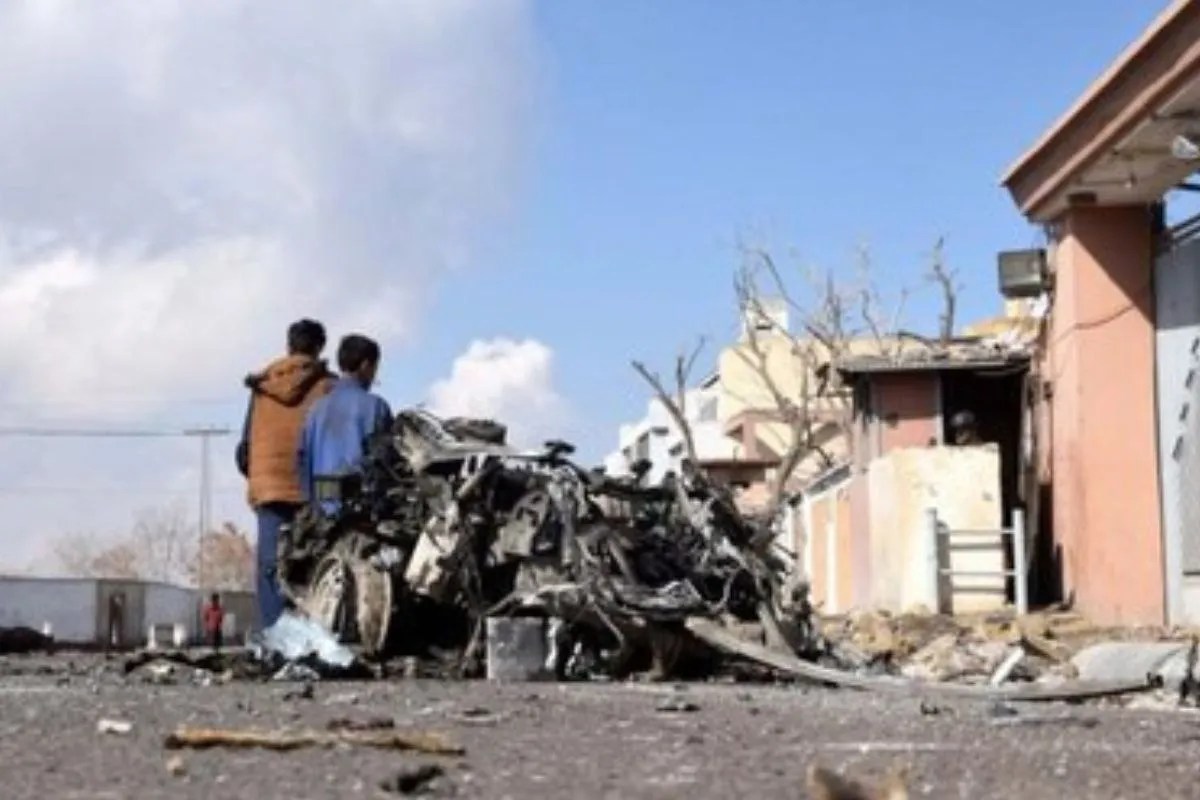
- High-Profile Targets: Recent surges include suicide attacks on military convoys, paramilitary camps, and civil infrastructure, stretching security forces thin.
You see a cycle of violence repeating itself year after year. The state vows to eliminate the "menace of terrorism," while insurgent networks recruit faster than military operations can neutralize them.
The Geopolitical Fallout
Balochistan isn't just a domestic headache for Islamabad. Its strategic geography bordering Iran and Afghanistan, combined with massive multi-billion-dollar foreign-backed economic corridors, makes it a global flashpoint. International bodies frequently condemn the rising violence, pointing out the heavy civilian toll and the vulnerability of infrastructure projects.
Blaming external actors like India has long been Islamabad's default political reflex when security crumbles. However, independent analysts and regional experts point out that deflecting blame ignores the homegrown roots of the rebellion. Military might alone cannot fix a political crisis born of decades of neglect.
What Comes Next
Expect more volatility. As long as local populations feel economically marginalized and politically suppressed, armed factions will find fertile ground for recruitment. The Pakistani military will continue launching sweeping operations, but unless structural reforms and genuine political dialogue take center stage, the highways of Balochistan will stay trapped in a loop of blockades, blood, and broken promises.
If you're tracking regional stability in South Asia, keep your eyes on the ground realities in Quetta and Turbat rather than official press releases. The real story unfolds where state control frays at the edges.
Pakistan Army Faces Fresh Challenge As BLA Targets Military Convoy In Balochistan
This video provides an in-depth look at how recent BLA attacks on military convoys in Balochistan are putting mounting pressure on Pakistan's counter-insurgency strategy.
http://googleusercontent.com/youtube_content/1