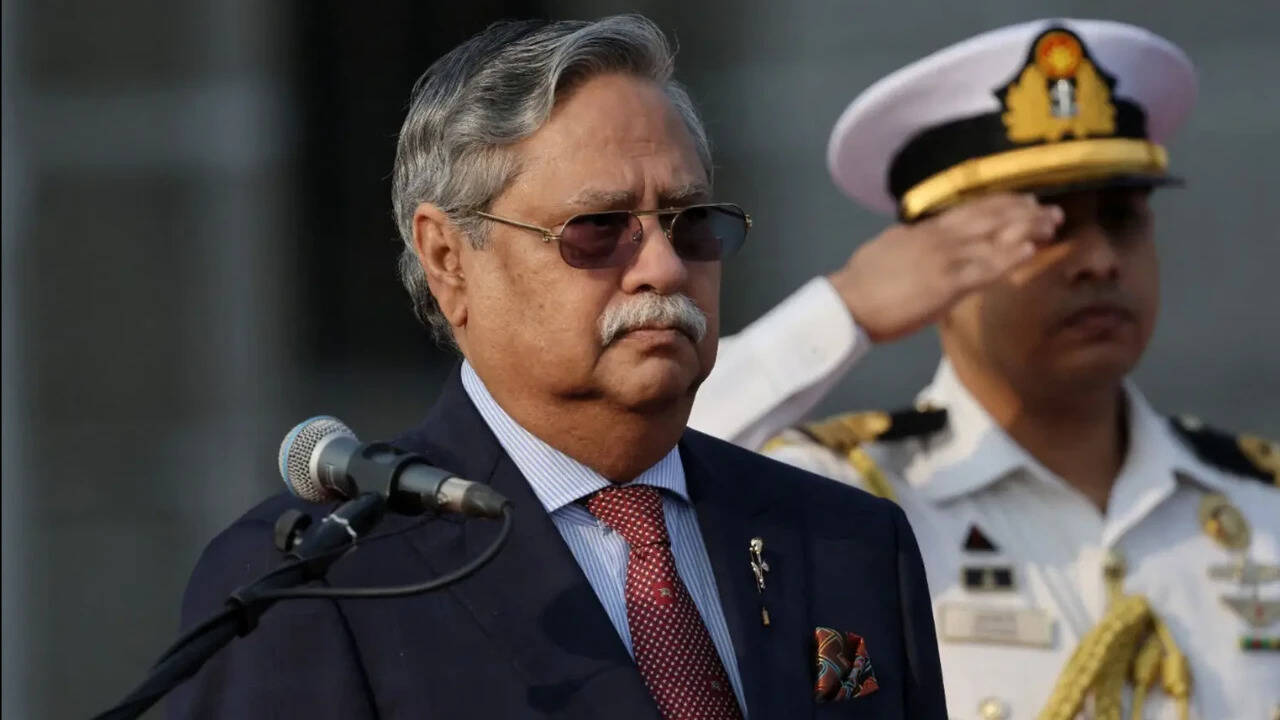
The political reckoning in Dhaka isn't slowing down. Days after former Bangladesh president Mohammed Shahabuddin stepped down from office, formal complaints accusing him of crimes against humanity landed at the International Crimes Tribunal.
If you think the ouster of Sheikh Hasina wrapped up the country's historic transition, you're missing the bigger picture. The legal dragnet is now expanding to figures who occupied the highest offices during the volatile 2024 uprising.
The Core Allegations Against Shahabuddin
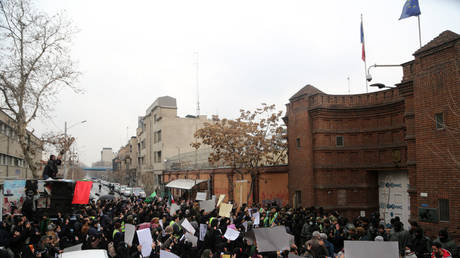
What did the former president actually do? Groups like the Rastrosonglap Forum and the Bangladesh Azad Party didn't file these actions on a whim. They point directly to Shahabuddin's tenure as head of state while security forces unleashed lethal crackdowns on student-led demonstrations.
The complaints allege that Shahabuddin played a complicit role in the killings, systemic torture, and extreme violence directed at civilian protesters. He wasn't just a bystander. Critics argue his position as a longtime ally of the ousted regime made him a silent partner in the state-sponsored suppression.
Shahabuddin managed to hold onto his seat until health complications and mounting political pressure forced his resignation. But walking away from the presidential palace doesn't mean walking away from accountability.
Navigating the Political Minefield
The current interim administration faces a delicate balancing act. Law minister Mohammad Asaduzzaman confirmed that while the crimes against humanity complaints require careful scrutiny, separate corruption probes against Shahabuddin are moving forward.
Meanwhile, home minister Salahuddin Ahmed struck a cautious tone, noting that opposition groups possess every right to bring forward allegations, even if prosecutors find immediate hurdles in building a stick-handling case directly linking him to every fatality.
This caution makes sense. Charging a former head of state sets massive legal precedents. It tests the limits of institutional stability in a nation still recovering from months of deadly unrest that left hundreds dead and upended the political order.
The Long Shadow of the 2024 Uprising
You have to look at these new filings through the lens of what came before. Former prime minister Sheikh Hasina was already sentenced in absentia by the same tribunal over the brutal suppression of the July uprising. That verdict opened the floodgates for wider accountability.
When a regime collapses under the weight of mass protests, the accountability chain rarely stops at the prime minister's office. It cascades downward and outward, catching co-conspirators, enablers, and institutional heads who looked the other way or actively signed off on state violence.
The International Crimes Tribunal chief prosecutor, Md Aminul Islam, acknowledged receiving the dossiers. Reviewing the mountain of evidence takes time. Yet the message from civil society groups remains blunt: holding higher-ups responsible is the only way to heal the fractured trust between citizens and state institutions.
Expect more twists as prosecutors sift through the legal merits. Accountability in post-uprising nations is messy, unpredictable, and entirely reshaping South Asian politics.
Bangladesh ex-PM Sheikh Hasina charged with crimes against humanity
This video provides useful context on the origin and background of the International Crimes Tribunal charges stemming from the 2024 student-led uprising in Bangladesh.
http://googleusercontent.com/youtube_content/1