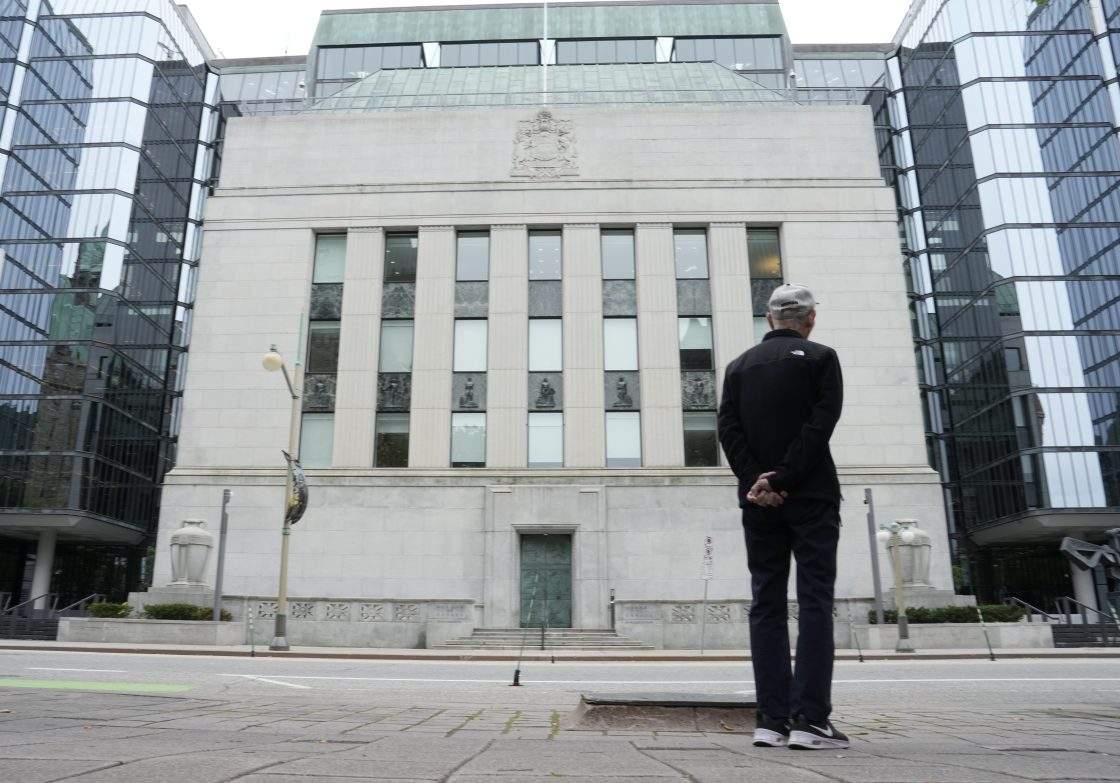
Borrowers are sweating again. Economists are scrambling their forecasts. If you thought the central bank was done playing with interest rates, you might want to check your mortgage renewal date.
Whispers from financial corridors point to a jarring pivot. The Bank of Canada is facing mounting pressure to pull the trigger on a rate hike next week. After holding the benchmark steady at 2.25 percent since late 2025, governor Tiff Macklem is staring down a stubborn inflation beast that refuses to stay put.
Why the sudden panic? It comes down to a classic central banking fear: getting caught flat-footed.
The Real Driver Behind the Shift
Let's look past the press releases. Consumer price inflation crept up to 3.1 percent, largely dragged upward by surging oil and gas costs tied to ongoing geopolitical tensions overseas. For months, the central bank waved off these energy spikes as isolated anomalies. They figured core inflation would anchor itself near the two percent target without outside intervention.
That narrative is cracking.
Governor Macklem dropped heavy hints during recent meetings abroad, admitting that the upcoming inflation outlook sits much higher than previous summer projections. When central bankers start talking about forward-looking risks rather than rearview-mirror data, markets listen. Economists at major institutions like Scotiabank and Desjardins quickly flipped their scripts, predicting a standard 25-basis-point bump on the horizon.
Nobody wants a repeat of the post-pandemic scramble. When inflation peaked past eight percent years ago, critics slammed policymakers for leaving rates too low for too long, forcing a brutal cycle of aggressive hikes that shocked households. This time, leadership wants to get ahead of the curve. They'd rather take the heat for a pre-emptive tightening cycle than scramble to catch up later.
What This Means for Your Wallet
If you carry debt, a rate hike stings immediately.
Variable-rate mortgage holders will watch their monthly payments climb almost overnight. Lines of credit, car loans, and business financing will follow the exact same upward trajectory. Savers might enjoy slightly higher yields on high-interest accounts, but the broader cost of living squeeze makes those small gains feel invisible.
The core issue is timing. Households are already stretched thin by housing costs, grocery bills, and general inflation. Pushing borrowing costs higher right now feels counterintuitive to anyone trying to stay afloat. Yet, central banks operate on a singular mandate: protect the currency's purchasing power and anchor inflation inside that elusive one-to-three percent target range.
The Preemptive Playbook
Central bankers are notoriously terrified of entrenched price growth. Once higher energy costs bleed into everyday consumer goods like groceries and services, un-ringing that bell becomes nearly impossible.
Expect volatility in the bond markets over the coming days. If the Bank of Canada moves next week, it won't just be a isolated adjustment—it will signal an entirely new phase of monetary policy where caution takes a backseat to preemptive strikes against inflation.
Prepare your budget now. Review your fixed versus variable debt exposure, because waiting until the announcement drops leaves you with zero room to maneuver.