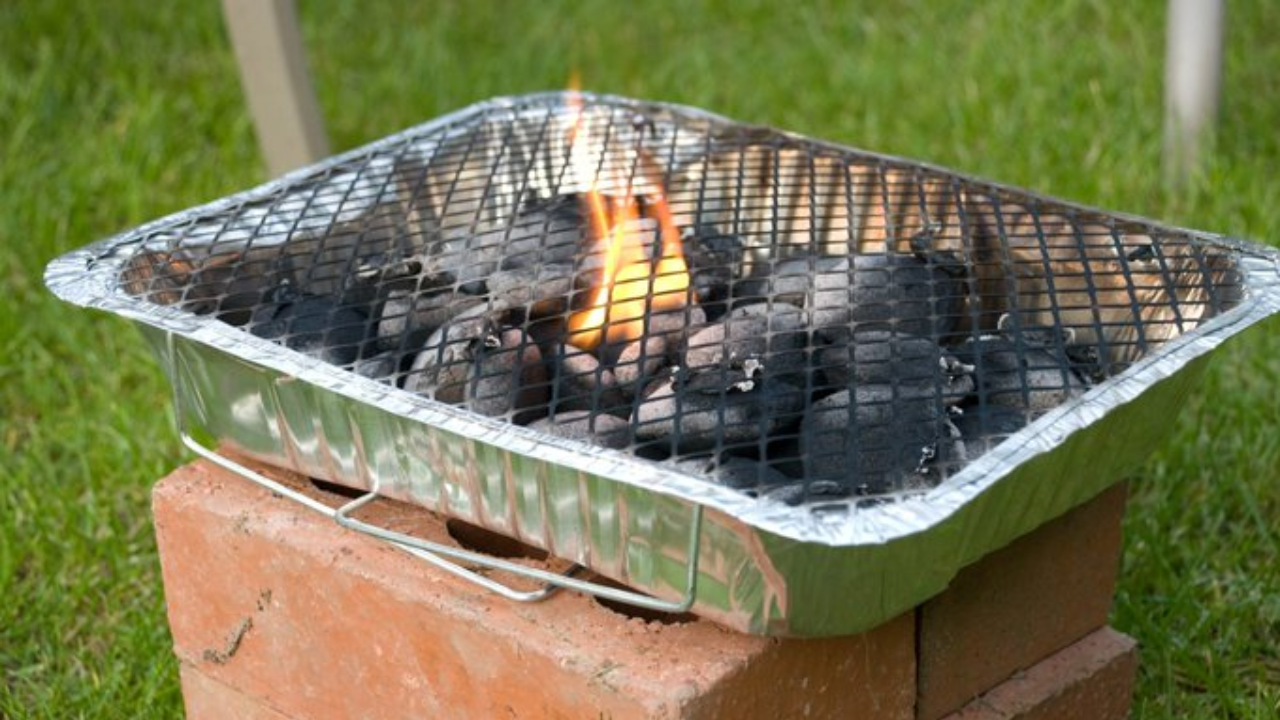
Britain is burning, and the government finally decided to take away the matches. Prime Minister Andy Burnham announced a temporary nationwide ban on the sale of disposable barbecues across Great Britain. Retailers, both physical shops and online stores, must pull single-use grills immediately.
If you have spent any time outdoors this summer, you already know why. Extended drought conditions, record-breaking temperatures topping 38 degrees Celsius, and bone-dry vegetation have turned the British countryside into a literal tinderbox. Thirty-seven active fires are currently tearing through England and Wales, with four classified as major incidents. In the West Midlands, ferocious blazes destroyed homes and sent 19 people to the hospital.
Disposable barbecues are cheap, portable, and notoriously difficult to extinguish. People leave them smoldering in dry grass, walk away, and watch acres of natural habitat and residential neighborhoods go up in smoke. But a retail ban on aluminum-foil grills is just a band-aid on a much larger systemic failure.
The Reality Behind the Emergency Ban
The decision follows an emergency Cobra meeting where ministers scrambled to address the escalating climate crisis. Officials from the Department for Business, Innovation, Science and Trade confirmed that single-use grills directly caused multiple serious wildfires over the summer months.
Supermarkets like Tesco, Asda, Sainsbury's, and the Co-op had already begun pulling them voluntarily after fierce pressure from fire services. Now, the government has made it mandatory.
Yet, stopping the sale of cheap charcoal trays doesn't solve the core issue. Ground conditions across the UK are deeply compromised. Years of changing weather patterns mean moisture is evaporating faster than rain can replenish it. When a heatwave hits, the ecosystem lacks the resilience to cope.
Why Fire Services Are Breaking Point
Local fire and rescue services are buckling under unprecedented strain. Firefighters are working relentless shifts in brutal conditions, trying to contain fast-moving grass and woodland fires.
Prime Minister Burnham admitted a hard truth during his briefing in Stourbridge: Britain lacks the infrastructure to fight these modern fires. Unlike Mediterranean countries or parts of North America accustomed to seasonal mega-fires, the UK has historically relied on ground crews with standard equipment. That model is broken.
The government is now weighing options to bring in specialist firefighting aircraft from abroad. Emergency financial support for local fire brigades is also on the table. But buying planes and injecting cash after a crisis hits is reactive policy-making at its finest.
What You Need to Do Right Now
The rules have shifted. If you were planning an outdoor gathering this weekend, throw out the idea of using any open flame.
- Cancel outdoor cooking: Do not attempt to use any improvised or portable outdoor fires, even in designated parks or private gardens. The ground is too volatile.
- Watch your waste: Discarding glass bottles or cigarette butts carelessly can spark a wildfire just as easily as a barbecue. Pack out what you pack in.
- Know the protocol: If you spot smoke or flames, do not play hero. Evacuate immediately and call 999 to report the exact location to the fire service.
The temporary barbecue ban will stay under review as long as the extreme weather persists. Until the ground cools down and the rains finally return, outdoor fire safety isn't just a polite suggestion. It's the thin line protecting local communities from total devastation.