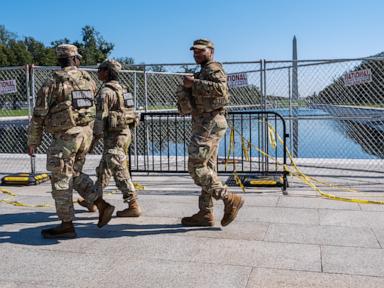
When a federal appeals court steps into the ongoing feud over military deployments in the nation's capital, it isn't just about street corners or municipal ordinances. It's about a fundamental clash over who actually controls the streets of Washington, D.C., and where the boundaries of presidential authority lie.
If you've been following the legal ping-pong, you know the stakes are high. The District of Columbia has long fought to maintain local self-governance under the Home Rule Act, arguing that federalizing local troops for routine crime control functions crosses a dangerous constitutional line. On the flip side, the administration points to unique executive powers designed to keep the seat of federal government secure and functioning without interference.
The Core Conflict in D.C.
Let's look at what triggered this entire dispute. Back when U.S. District Judge Jia Cobb issued a ruling finding the National Guard deployment unlawful, she drew a hard line between protecting federal property and managing local policing. In her view, mobilizing troops to tackle local crime statistics without the sign-off of local authorities intrudes on home rule.
Yet, the federal government didn't back down. An emergency stay kept the troops in place, and the case has marched straight to the appeals court. With numbers fluctuating—sometimes hovering near thousands of personnel depending on federal events and anniversaries—the physical presence of the Guard on D.C. streets has taken on a startling sense of permanence.
Why This Appeals Court Hearing Changes the Game
Arguments heard by appellate judges cut straight to the mechanics of presidential command versus local autonomy. Judges have pressed both sides on the outer limits of the executive branch's authority. Does the president possess a blanket, unquestioned right to command the D.C. National Guard for domestic policing, or does the District's unique status require a softer touch?
Here is what most casual observers miss: D.C. isn't a state. Its National Guard answers directly to the president by default, unlike state governors who command their own guard units. That single structural difference makes this legal fight completely distinct from similar battles fought in places like Oregon or Illinois.
What Comes Next
The legal wrangling won't end with this single appellate panel. The losing side will almost certainly push the issue toward the Supreme Court, turning a local jurisdictional dispute into a landmark constitutional test of executive power.
If you live in the District or care about federal overreach, pay close attention to how the panel parses the line between protecting federal buildings and patrolling neighborhood blocks. The final word on this deployment will reshape the balance of power in the capital for years to come.
Appeals court hears arguments on whether Trump can deploy National Guard to Portland
This video provides additional context on the broader nationwide legal battles surrounding presidential authority to deploy the National Guard.
http://googleusercontent.com/youtube_content/1