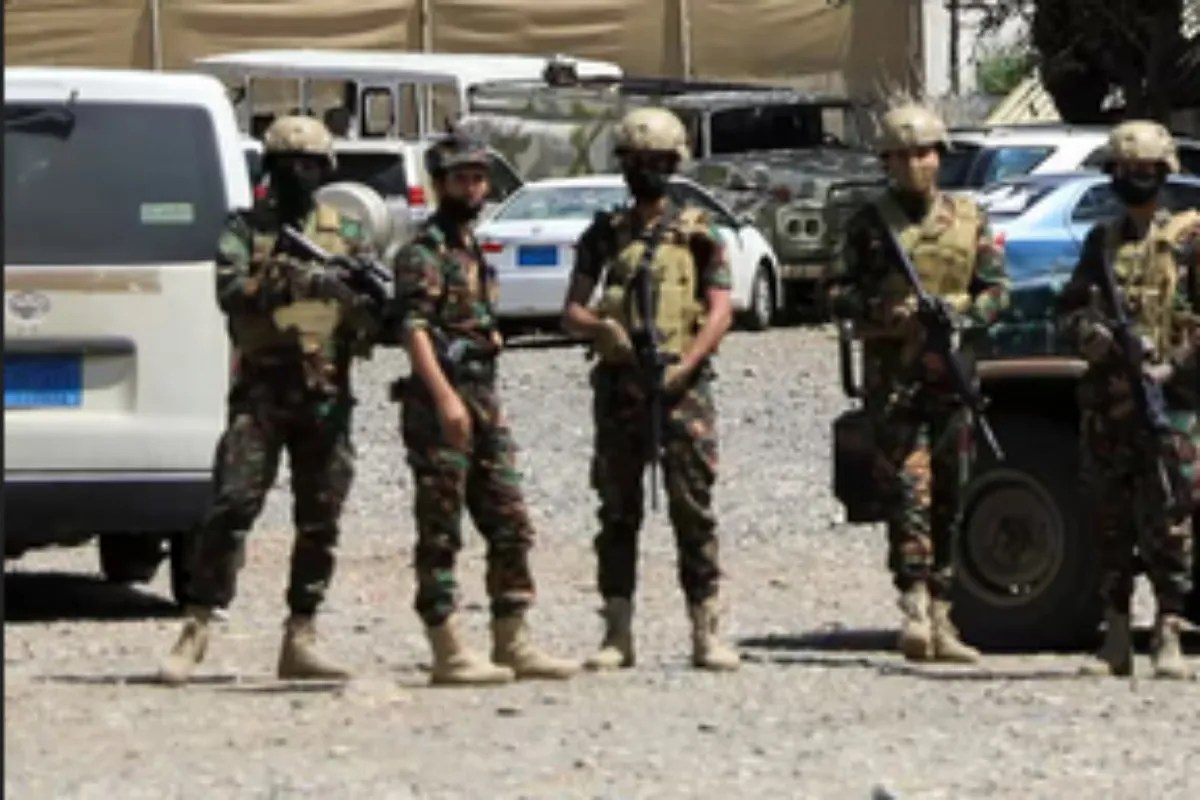
If you think the conflict in Yemen is just a frozen stalemate, you haven't been paying attention to the front lines in Taiz. The southwestern province remains the beating heart of the country's ongoing civil war, where every single hill, ridge, and supply road acts as a massive strategic chessboard.
When the Yemeni government forces successfully beat back a fierce Houthi offensive on the Al-Akrud front and surrounding sectors, it wasn't just a minor skirmish. It was a stark reminder that this war is grinding on with brutal intensity, far away from international headlines.
What's Actually Happening on the Ground in Taiz
Taiz has long been a heavily contested zone. Hemmed in by mountains and split between government control and Houthi encirclement, the city experiences constant friction. Houthi fighters launched synchronized ground assaults across multiple fronts, including the Al-Quraif, Hamah, Ras Al-Naqil, and Al-Kahfa areas, hoping to punch through government-held defenses.
Instead, they ran into a well-entrenched defense. Military sources confirmed that government troops not only neutralized the assault but also pushed forward to secure tactical high ground around the Kahlan and Sabr sectors. Dozens of Houthi fighters were reportedly killed or wounded, with the rest forced into a chaotic retreat.
Why Taiz Matters More Than Ever
You might wonder why both sides pour so many resources into a city that has already suffered years of siege and infrastructure collapse. The answer comes down to geography and leverage.
- The Gateway Position: Taiz controls critical transit routes linking the northern highlands to the southern coastal plains.
- Psychological Morale: Holding Taiz proves that the internationally recognized government can stall and reverse Houthi territorial ambitions on land.
- Supply Line Dominance: Whichever side controls the surrounding ridges dictates the flow of commercial goods, humanitarian aid, and troop movements.
When the front lines flare up here, the shockwaves ripple through the entire political and military landscape of the country.
The Human Cost Behind the Front Lines
Behind every military report of repelled attacks and tactical advances lies a staggering humanitarian crisis. Taiz has spent years under varying degrees of blockade, choking off normal civic life. According to groups like the World Food Programme, hundreds of thousands of residents in the province alone have faced severe disruptions in food security and aid delivery.
Hospitals operate under immense strain, and basic civilian movement requires navigating active combat zones. While military commanders brief on tactical wins and losses, families trapped in the city bear the brunt of the continuous artillery exchanges and economic isolation.
Where the Conflict Goes From Here
Don't expect a sudden diplomatic breakthrough anytime soon. Both factions view territorial control as their primary leverage for any future peace talks. As long as the frontline skirmishes continue to erupt from Al-Akrud to the southern ridges, the situation remains volatile. The Yemeni army's ability to hold its ground keeps the status quo intact, but it also ensures that Taiz remains one of the most dangerous places to live on the Arabian Peninsula.
Take steps to stay informed on Middle Eastern geopolitical shifts by tracking local primary field reports rather than relying solely on generalized summaries, because the reality on the ground changes block by block.
Yemeni forces repel second Houthi attack near besieged Taiz
This short video clip highlights the ongoing ground clashes and tactical updates surrounding the contested front lines near Taiz.