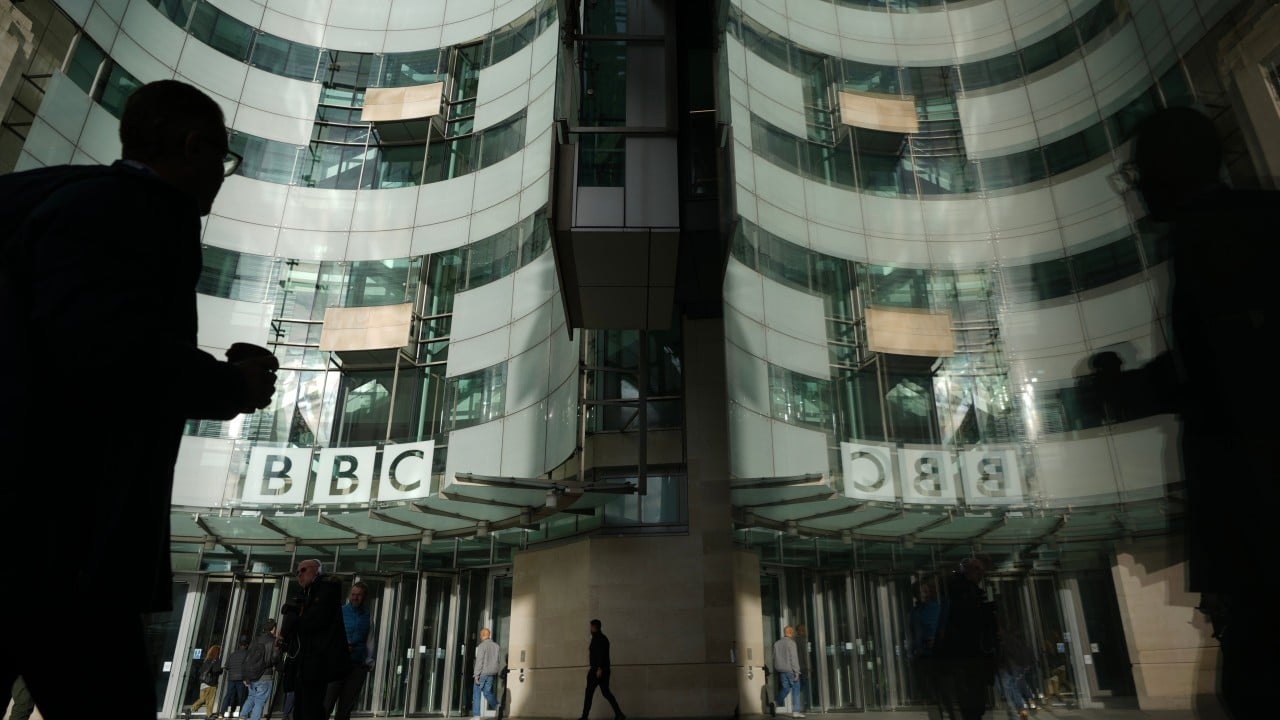
Traditional broadcasting is bleeding money, and the BBC is feeling it harder than almost anyone else. The British public broadcaster just announced plans to eliminate more than 100 jobs within its news division while pulling the plug on traditional TV broadcasts for channels like BBC Three, BBC Scotland, and Radio 4 Extra.
If you've been watching media trends over the past five years, this isn't shocking. But it marks a painful turning point for a publicly funded institution trying to survive in a digital-first world. Discover more on a related issue: this related article.
The Numbers Behind the Crisis
The cuts aren't random. They form part of a massive drive to save 500 million pounds by 2028.
Income from the traditional UK television licence fee has dropped by roughly twenty-five percent in real terms since 2017 due to inflation and shifting household habits. Younger demographics simply do not watch scheduled TV. They live on TikTok, YouTube, and on-demand streaming platforms. More journalism by Forbes delves into comparable views on this issue.
BBC News director Rachel Jupp outlined the new round of redundancies in an internal memo, pointing out that audiences are migrating away from linear formats at an accelerating rate. The broadcaster operates on an annual budget of around 5 billion pounds, yet inflation has eaten away at its purchasing power while digital infrastructure costs keep climbing.
What Actually Changes for Viewers
Scrapping linear broadcasts doesn't mean these services vanish entirely, but it does change how you access them.
BBC Three and BBC Scotland are moving exclusively to the digital iPlayer streaming ecosystem, while Radio 4 Extra will shift its audio archive exclusively to BBC Sounds.
That migration sounds logical on paper, but it alienates older viewers who rely on traditional television sets and hate navigating apps. It also forces content creators into a tighter digital cage where algorithms dictate visibility rather than scheduled programming blocks.
The Real Problem With the Licence Fee Model
The root cause of this ongoing crisis goes back to the funding mechanism itself. Relying on a flat household tax to fund a sprawling multi-platform media empire creates constant political friction. Every time the government freezes or delays licence fee increases, the BBC is forced to trim muscle.
Critics argue that the broadcaster should have modernized its cost structure a decade ago instead of protecting legacy departments. Supporters point out that no commercial network can replicate the breadth of regional reporting and educational programming the corporation provides.
Either way, trimming 100 news roles and shuttering broadcast channels won't solve a multi-hundred-million-pound deficit on its own. Expect more difficult restructuring announcements before this decade is out.