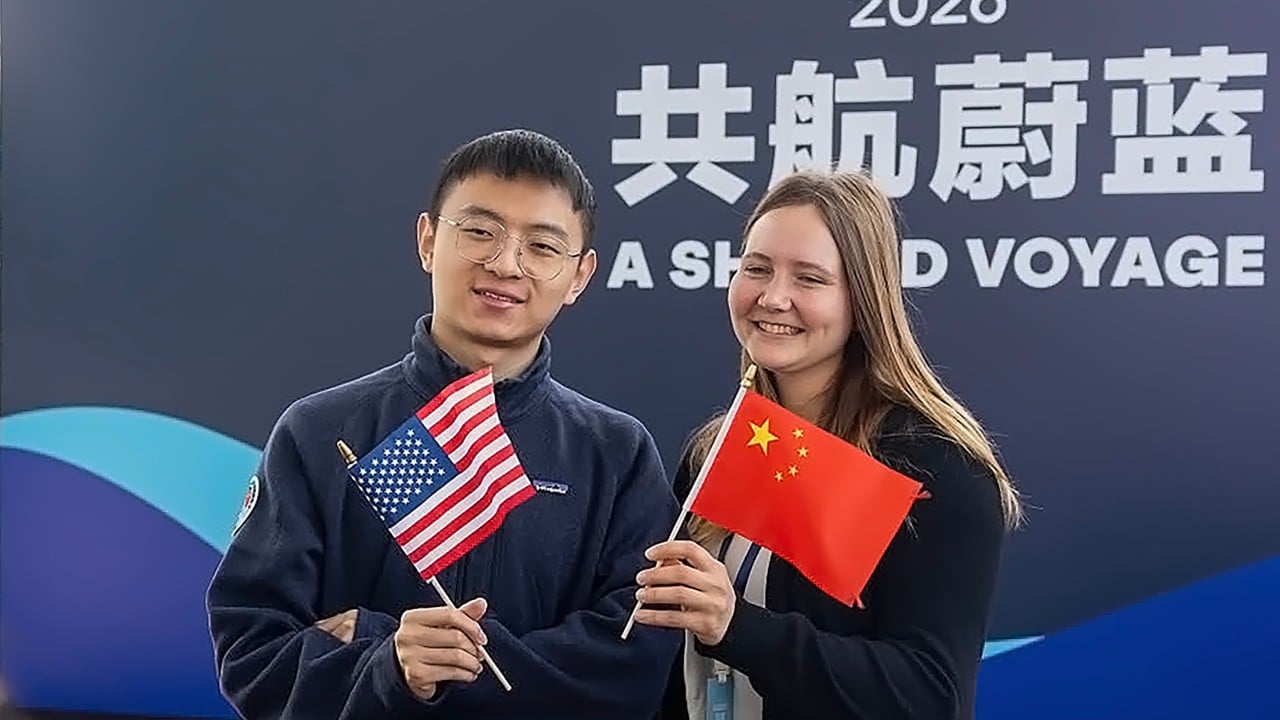
When Chinese leadership announced an expansion to bring 100,000 young Americans to China over the next five years, eyebrows raised across Washington. Critics call it sophisticated charm offensive diplomacy. Supporters call it a necessary bridge-building measure after years of geopolitical freezing. But if you are a college student or young professional taking up that invitation, what does Beijing actually show you behind the headlines?
The itineraries aren't random. They are carefully curated cross-sections of historical heritage, ultra-modern tech hubs, and everyday urban living designed to rewrite preconceived narratives.
Moving Past the Great Wall and Forbidden City
Sure, tourists visiting China hit the standard bucket-list stops. But these youth exchange delegations experience a very different pace. Programs organized through universities and municipal offices steer participants directly into the engine rooms of modern Chinese infrastructure.
You'll find yourself standing inside high-speed rail control centers or walking through automated port terminals in cities like Shenzhen and Shanghai. Beijing wants young Westerners to see that China isn't just surviving economic shifts—it's automating them at a scale most Americans can't fathom.
This hyper-focus on infrastructure serves a clear purpose. It forces visitors to confront a reality that TikTok videos and cable news segments miss: daily life in tier-one and tier-two Chinese cities runs on frictionless digital payment systems, electric vehicle fleets, and lightning-fast logistics.
Tech Hubs and the Startup Ecosystem
A massive chunk of these youth exchange itineraries focuses squarely on innovation. Beijing loves showing off places like Zhongguancun, often dubbed China’s Silicon Valley, alongside tech incubators in Shenzhen.
Delegations meet young Chinese entrepreneurs, artificial intelligence researchers, and robotics engineers. The goal is straightforward. Beijing wants to dismantle the persistent Western myth that Chinese tech is purely built on imitation rather than heavy R&D and original engineering.
When you sit down with software developers in their twenties building autonomous delivery drones or green-energy grids, the geopolitical rhetoric starts to fade into the background. You realize both nations are dealing with remarkably similar anxieties about the future of work, automation, and digital privacy, even if their governing models differ wildly.
Rural Revitalization and Cultural Roots
It isn't all gleaming skyscrapers and AI labs, either. Organizers make a point of taking foreign visitors deep into rural provinces.
You'll visit villages transformed by e-commerce poverty alleviation programs, where local farmers sell tea and handmade goods directly to millions of online consumers via live-streaming apps. These visits highlight a different side of the modernization push—one attempting to bridge the massive wealth gap between coastal mega-cities and the interior countryside.
Cultural workshops—from traditional calligraphy and martial arts to modern pop culture exchanges—round out the schedule. Beijing wants these young visitors to leave understanding that modern China views itself not as a static museum piece of ancient dynastic history, but as a living, breathing civilization constantly reinventing itself.
The Reality Check Behind the Curtain
Let's be honest. These exchange trips are quintessential public diplomacy. You aren't getting unfettered, chaotic access to every corner of society. The itineraries are structured, guided, and optimized to present the best possible face of the nation.
Yet, veteran travelers and past exchange participants note that the informal moments often matter more than the official tours. Conversations over late-night street food, spontaneous chats with university students on WeChat, and navigating subway systems without a tour guide reveal the human layer beneath statecraft.
Young Americans often arrive expecting a rigid, Orwellian landscape and leave surprised by the vibrant consumer culture, the warmth of everyday citizens, and the sheer complexity of modern Chinese youth identity.
If you get the chance to go, pack your curiosity, leave your assumptions at home, and look past both the Western media spin and the official state talking points to see what is actually happening on the ground.