Bulldozers ripping through pristine Chihuahuan Desert brush are not what most visitors picture when they plan a trip to Big Bend National Park. Yet that industrial roar became the harsh reality for West Texas conservationists and park lovers. Now, the Trump administration is signaling a potential retreat. Officials are weighing whether to scale back or alter the controversial $1.7 billion border infrastructure project slicing through this remote federal sanctuary.
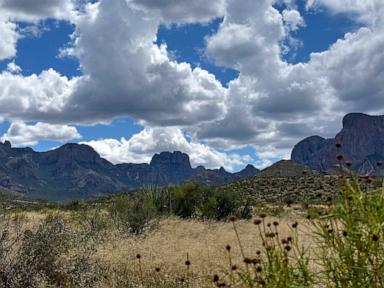
If you have ever stared up at the massive limestone walls of Santa Elena Canyon or hiked the Chisos Mountains, you know why this specific stretch of the Rio Grande matters. It is raw, isolated, and fiercely defended by locals who prize its ecological isolation. But federal policy and park preservation have collided head-on. The outcome of this standoff will set a precedent for how public lands across America handle federal security mandates.
The Ground Reality in West Texas
To understand why this project triggered immediate fury, you have to look at the geography. Big Bend spans over 800,000 acres of rugged mountains, sweeping desert flats, and miles of winding riverfront. Natural barriers—towering canyon cliffs and punishing desert heat—already form a formidable defense. When U.S. Customs and Border Protection equipment moved in to clear land and build roads, critics hit back instantly.
Private landowners, local river guides, environmental organizations, and Native American tribes filed lawsuits. They pointed to the destruction of sensitive wildlife habitats and potential damage to cultural heritage sites. Court filings reveal that the government has also faced stiff resistance from property owners refusing to grant surveying permissions, forcing officials to lean on the Department of Justice for condemnation proceedings.
Why the Administration is Second-Guessing
Pressure is coming from multiple directions. While President Donald Trump’s administration has aggressively pushed to advance border wall construction nationwide—claiming a pace of roughly 12 miles per week—the Big Bend project ran into unique roadblocks.
- Intense Local Resistance: Local communities and advocacy groups launched relentless public campaigns, arguing that construction desecrates sacred ground and harms regional tourism economies dependent on park visitors.
- Legal and Access Hurdles: Securing land easements in a national park region where parcels are tightly held or legally protected proved much harder than anticipated.
- Shifting Enforcement Realities: With illegal immigration metrics showing sharp drops compared to prior peaks, opponents have relentlessly questioned the financial and ecological cost of cementing a wall through a protected natural wonder.
CBP previously enacted a temporary pause on construction while leadership evaluated the scope of work. Government court documents filed recently suggest that trimming down the project is actively on the table.
What Happens Next for Public Lands
A temporary halt or a scaled-back footprint does not mean the fight is over. Conservation groups remain skeptical, vowing to monitor every movement of heavy machinery. They argue that any road building or infrastructure footprint inside a national park damages an irreplaceable ecosystem.
For travelers, locals, and policymakers, this fight highlights a permanent tension. National parks are meant to be sanctuaries preserved for future generations. Security mandates, meanwhile, treat every inch of the international boundary as a blank slate for steel and concrete.
If you care about the future of America's public lands, keep a close eye on West Texas. The compromise struck in Big Bend will dictate how far federal construction can go when it meets America's wildest natural borders.