We love the idea of a silver bullet. When we face an environmental problem—like an invasive plant strangling local ecosystems—we want a clean, simple fix. Someone suggests releasing a natural predator to eat the weed. It sounds logical. It sounds cheap. It sounds like a win.
But biology rarely cooperates with our plans. Building on this idea, you can also read: Why Two Museum Volunteers Just Found A New Spider Species Named After John Denver.
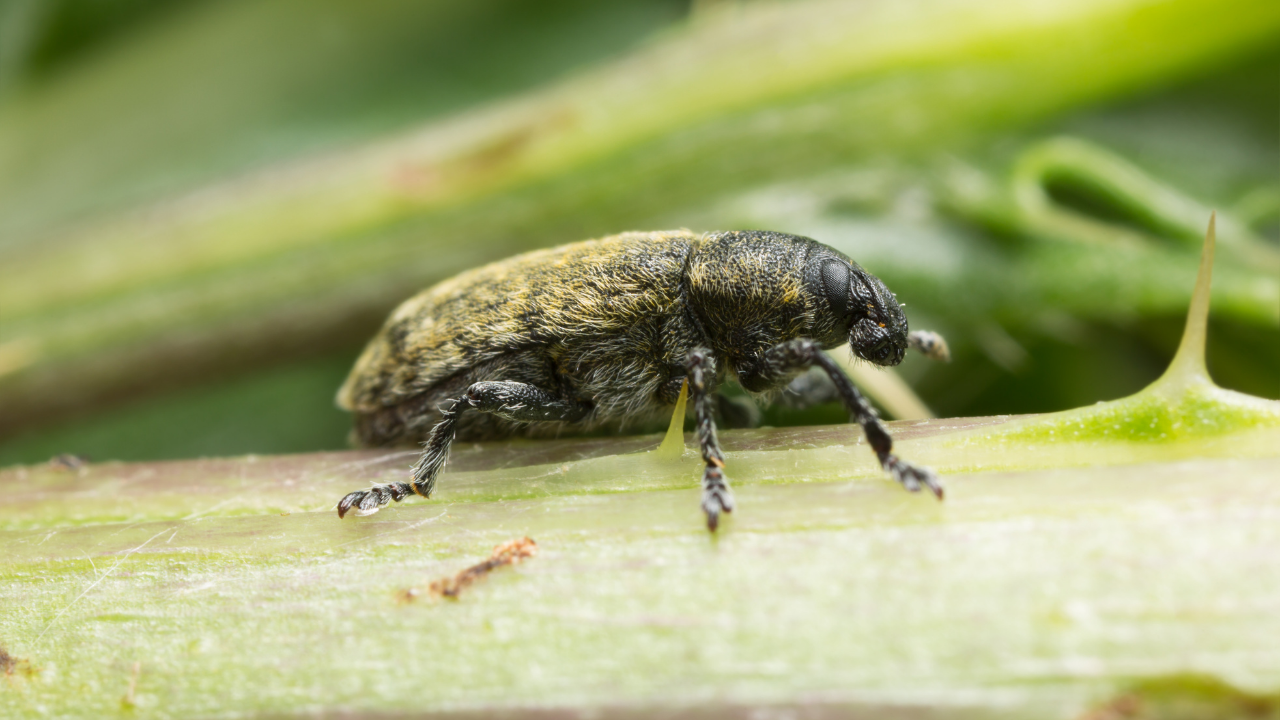
Between 1969 and 1972, the United States government authorized the release of a European weevil, Rhinocyllus conicus, into the wild. The goal was to wipe out the invasive musk thistle, a weed that had become a nuisance in rangelands across the country. Officials assumed the weevil would stay focused on its target. They were dead wrong.
Instead of staying in its lane, this introduced insect turned its attention toward native North American thistles. Today, the weevil is known to attack at least 25 native thistle species. Some of these are rare or endangered plants that were already struggling for survival. This isn't just an "oops" moment; it’s a permanent, irreversible ecological disaster. Analysts at Scientific American have also weighed in on this matter.
The False Promise of Biological Control
The logic behind using Rhinocyllus conicus seemed solid at the time. Musk thistle (Carduus nutans) is a prolific seed producer. It spreads like wildfire. Chemical herbicides are expensive and often kill everything they touch. By introducing a "natural enemy" from the weevil’s home range in Europe, scientists hoped to suppress the thistle’s reproduction without using toxic chemicals.
The weevil is an expert at its job. It lays eggs on the thistle flower head, and the larvae burrow inside to eat the developing seeds. This weakens the plant's ability to multiply. It’s a targeted strike. Or, at least, it was supposed to be.
The problem lies in our hubris. We often treat ecosystems like simple machines where you can swap out parts. Nature, however, is a chaotic web of relationships. When you drop a non-native species into a new environment, you aren't just controlling a pest. You are adding a player to a game you don't fully understand.
Why Native Thistles Paid the Price
You might ask why the weevil didn't just stick to the musk thistle. Well, nature isn't that picky. Native thistles of the genus Cirsium are closely related to the invasive species the weevil was brought here to kill. To an insect searching for a meal, a thistle is a thistle.
Once the weevil population exploded and spread beyond the initial release sites, it encountered these native plants. It didn't discriminate. It began treating endangered species like the Sacramento Mountain thistle as a buffet.
This is where the impact gets real. When an invasive insect feeds on a common weed, nobody notices. When that same insect feeds on a rare species, it pushes that plant closer to extinction. The damage isn't just cosmetic. If an endangered thistle can't produce seeds because they're being eaten by a hungry larva, the population stops growing. It’s a death sentence for a plant that has nowhere else to go.
The Permanence of Biological Errors
This is the scariest part of the whole story. You can stop using a chemical pesticide tomorrow. You can switch to a new brand. You can wash equipment. You cannot "recall" a released insect population.
Once the weevil became established in the wild, it was out of our hands. There is no off switch for a biological agent that has successfully moved into a new territory. The USDA eventually halted interstate shipments of the weevil, but that was like closing the barn door after the horses had already started their own civilization in the woods.
We’ve learned the hard way that ecological management requires more than just testing for immediate results. It requires a long-term look at the entire food chain. Experts now understand that testing for "target specificity" must go beyond the lab. If an agent can feed on a native plant in a controlled environment, it will do it in the wild.
Lessons for the Future
We need to stop looking for simple, quick-fix solutions in conservation. The musk thistle mistake wasn't just a failure of imagination; it was a failure of scale.
If you’re interested in invasive species management, realize that every action has a ripple effect. Modern conservationists have to be humble. They must acknowledge that the "natural" solution can sometimes be just as destructive as the invasive one we’re trying to stop.
Moving forward, the goal isn't total eradication at any cost. It’s about building resilience. Instead of throwing foreign bugs at our native landscapes, we should focus on restoring native plant competition and soil health. That’s boring. It’s slow. It requires real, manual labor. But it doesn't leave us with an invasive insect problem that lasts for fifty years.
Stop looking for the magic bullet. Start investing in the hard, consistent work of environmental stewardship. That’s how you actually fix an ecosystem.