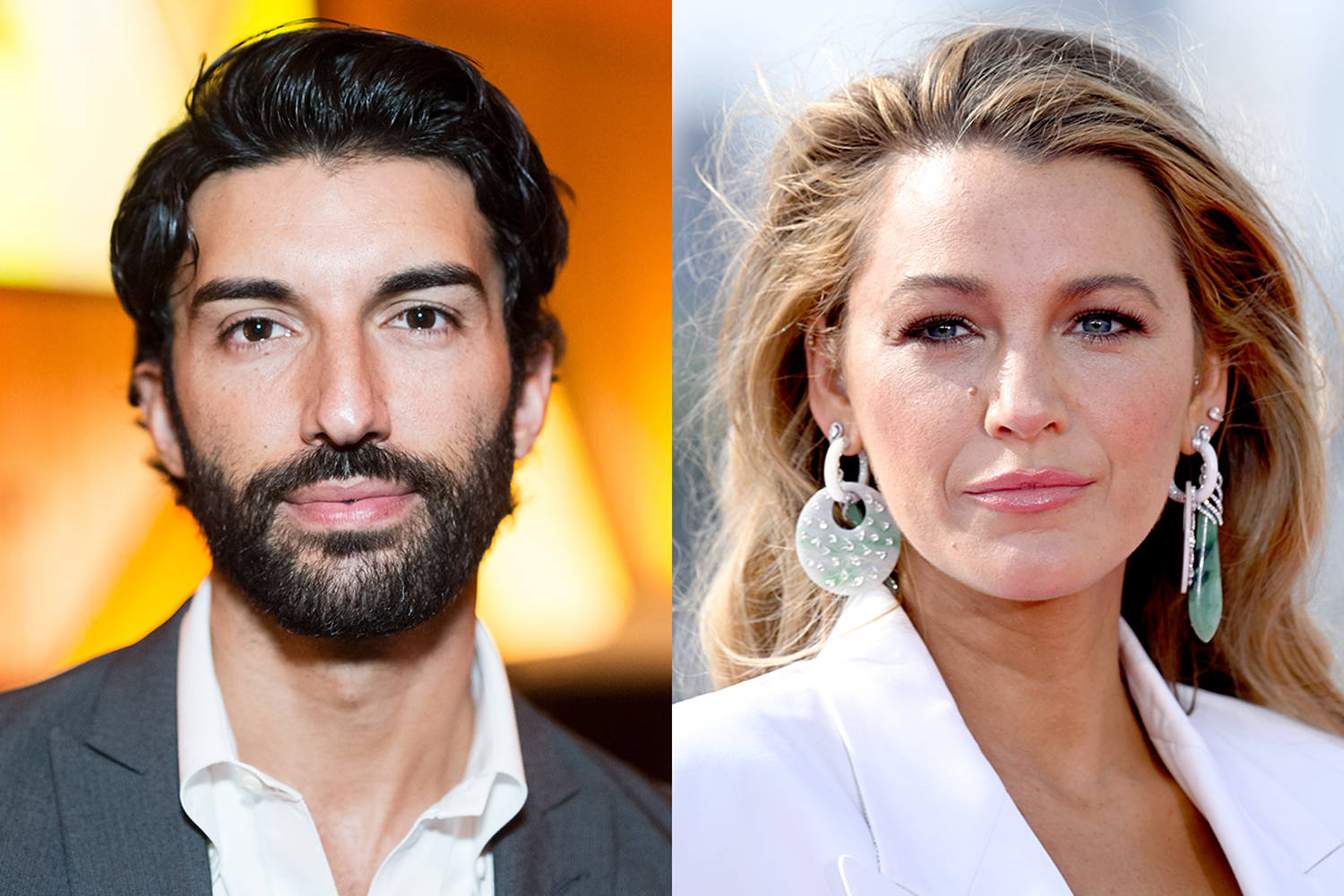
High-profile celebrity lawsuits rarely end with clean victories, but the legal war between Blake Lively and Justin Baldoni just hit a definitive milestone. A federal judge ruled that Blake Lively can recover approximately $400,000 in attorneys' fees from Baldoni's production company.
If you followed the messy fallout from It Ends With Us, you know this isn't just about a courtroom win. It is about how power dynamics, retaliation claims, and modern defamation suits play out when Hollywood collides with the legal system. But while headlines scream about a $400,000 payout, the real story is why that number is a fraction of what Lively actually asked for, and what it means for anyone trying to hold powerful people accountable.
The Reality Behind the Multi-Million Dollar Legal Bill
Let's look at the numbers because they reveal how absurd high-stakes litigation actually is. Lively's legal team initially petitioned for a staggering $8 million total—breaking down to roughly $7.5 million in legal fees and over $540,000 in operational costs.
When District Judge Lewis J. Liman handed down his ruling, he granted a fraction of that request, awarding roughly $363,000 in legal fees and around $44,000 in court costs.
Why the massive gap? The judge didn't dispute that Lively's attorneys had fair billing rates given the complexity of the case. Instead, the court drew a hard line on the sheer volume of hours billed. Under a specific California law designed to protect people from strategic lawsuits against public participation—often called anti-SLAPP statutes or laws protecting sexual harassment survivors—reimbursement is strictly tied to defending against the defamation claims, not every single legal maneuver spawned by an 18-month feud.
Winning $400,000 when you are staring down a multi-million dollar legal tab feels like a bittersweet pill. Yet, the financial recovery was secondary to the legal precedent established.
How the 'It Ends With Us' Feud Derailed
To understand why this ruling matters, you have to remember how this whole mess started. What began as creative friction and off-screen tension during the production of It Ends With Us quickly mutated into a full-scale legal war.
Lively filed a complaint with the California Civil Rights Department, accusing Baldoni and Wayfarer Studios of retaliation and creating a hostile work environment after she raised concerns about sexual harassment. Baldoni vehemently denied those claims and countersued for defamation, alleging that Lively and her husband, Ryan Reynolds, weaponized false narratives to hijack creative control of the film.
The legal bickering dragged on for a year and a half, dominating industry trades and social media feeds alike. Both sides spent small fortunes before finally settling the core dispute. That settlement avoided a high-stakes federal trial in New York, but it left open the question of who would pay for the legal wreckage.
Why This Ruling Changes the Game for Survivors
Critics on social media have pointed out that getting $400,000 back on a multi-million dollar expenditure is a massive financial loss. But legal experts view it differently.
The mechanism Lively used relies on legislation crafted to stop powerful entities from using aggressive defamation lawsuits to silence individuals who speak out. When someone faces a retaliatory lawsuit for reporting misconduct, the cost of defense is often enough to force them into silence.
By securing this fee award—even a reduced one—Lively's representation emphasized that the system can penalize plaintiffs who file retaliatory claims. Baldoni’s legal team argued the opposite, framing the judge's steep reduction of the initial $8 million demand as a major rebuke of unreasonable legal inflation.
Both things can be true at once. Lawyers always pad high-profile celebrity bills, and courts will scale them back to reality. But the core statute held firm: filing a meritless defamation claim to push back against harassment complaints can carry real financial consequences.
What Comes Next After the Gavel Drops
With this final fee motion settled, the chapter on the Lively-Baldoni litigation is effectively closed. Both parties previously released joint statements expressing a desire to move forward and refocus on the positive impact of the film's core themes regarding domestic violence awareness.
Yet, the shockwaves through Hollywood are palpable. Studios are tightening compliance protocols, PR firms are rethinking aggressive narrative campaigns, and legal teams are studying how anti-retaliation laws apply to high-profile entertainment disputes.
Celebrity feuds come and go, but the legal precedents they leave behind dictate how ordinary workers navigate power imbalances for years to come. Accountability is expensive, messy, and rarely clean-cut. This ruling proves that even when you win, you rarely walk away unscathed.