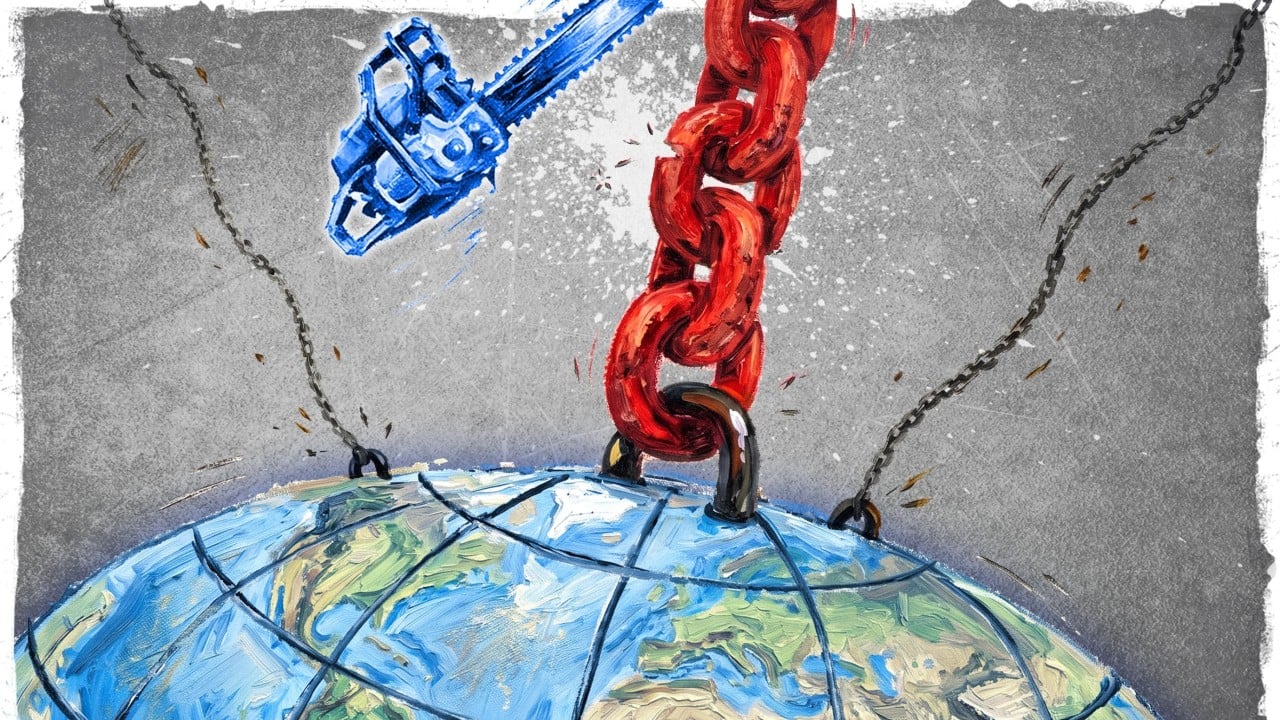
Geopolitics can flip global trade routes overnight. When conflict flared and choked off vital Middle Eastern supply lines, energy markets panicked. Beijing needed crude oil, and it needed it fast. Enter South America's largest economy.
From January to September, China purchased half of all crude oil exported by Brazil. That single shift pushed bilateral trade to a staggering US$143 billion over those nine months, according to data from the Brazil-China Business Council. Sales of Brazilian oil to the Chinese market spiked by 49 percent, hitting a record US$21.8 billion.
You see, supply chain shocks expose vulnerabilities in traditional energy procurement faster than anything else. When the Iran war shut down the Strait of Hormuz, traditional tanker routes choked. Beijing couldn't rely solely on its usual Middle Eastern imports without facing massive risk and astronomical shipping premiums. Energy security became an immediate priority, forcing refiners to look across the Atlantic for heavy, reliable crude.
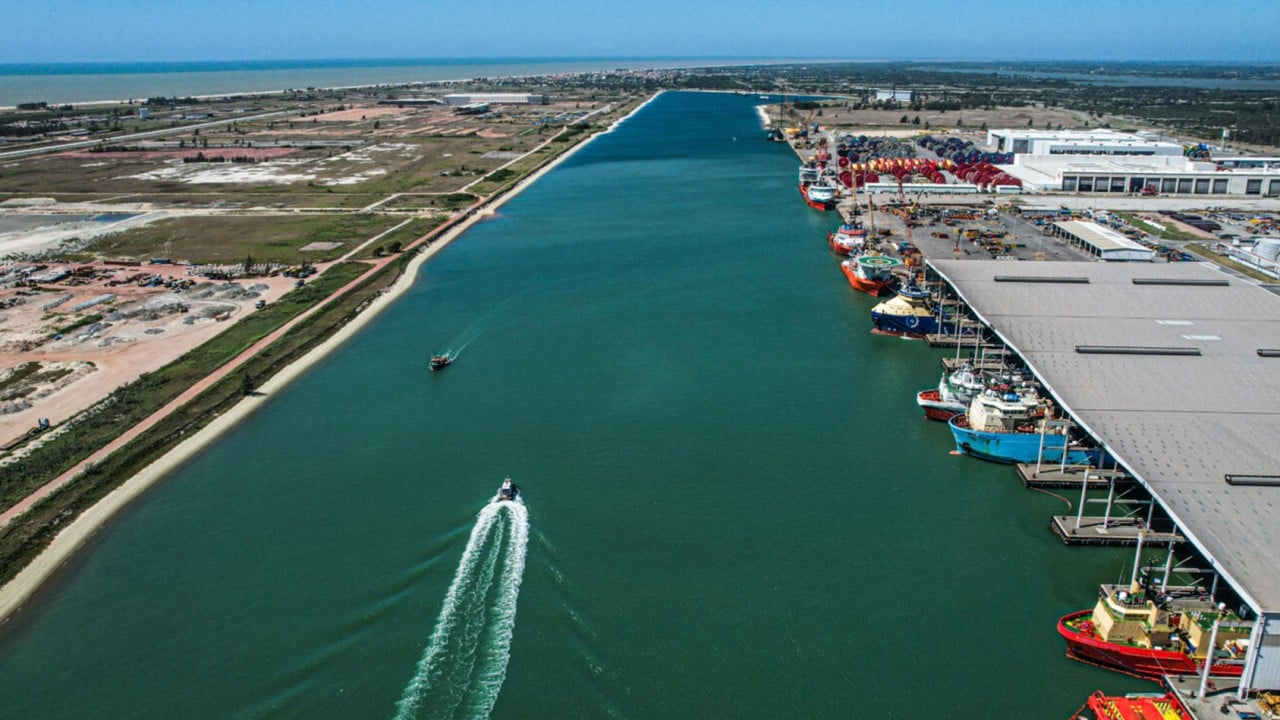
Brazil's offshore pre-salt fields happened to be producing at the exact right moment. Total Brazilian oil exports rose by 28.7 percent to $43 billion, with secondary buyers like India also boosting imports by 165 percent. But China dominated the intake, snapping up half the country's entire exported volume.
The Bigger Picture Beyond Crude Oil
It isn't just about oil barrels flowing across the ocean. This energy redirection accelerated a broader economic alignment between Beijing and Brasília.
Brazil's total exports to China grew by 12 percent to US$84.7 billion over the nine-month period, while imports of Chinese goods rose by 9.9 percent to US$58.6 billion. That left Brazil with a hefty trade surplus of US$26.1 billion with China, representing roughly 42 percent of its total foreign trade surplus.
Take a close look at what else is moving between these two nations. It tells a story of deep industrial integration. Chinese manufactured goods, particularly electric vehicles, have captured massive market share in South America. In fact, Chinese brands accounted for 86 percent of all electrified vehicles imported by Brazil.
At the same time, China's appetite for Brazilian commodities goes far beyond petroleum. Beijing bought 95 percent of Brazil's sorghum exports and a staggering 97 percent of its spodumene exports—a crucial lithium-bearing mineral needed for battery manufacturing.
What This Means for Global Energy Markets
Refiners and traders are learning hard lessons from the Hormuz disruption. Relying on concentrated supply nodes is a dangerous game.
When regional wars close narrow maritime bottlenecks, global trade maps get rewritten. Countries with diversified extraction capabilities like Brazil suddenly hold massive leverage. They can scale up production, redirect tankers, and lock in long-term supply agreements while traditional exporters scramble to manage domestic shortfalls.
If you are tracking international trade or energy investments, watch the logistics corridors. Latin America is cementing its role as a primary resource basement for Asia's industrial giants. Diversification is no longer a corporate buzzword; it's a survival strategy for major importers. Expect energy flows to remain decentralized as long as geopolitical volatility persists in the Middle East. Secure your supply chains before the next bottleneck hits.