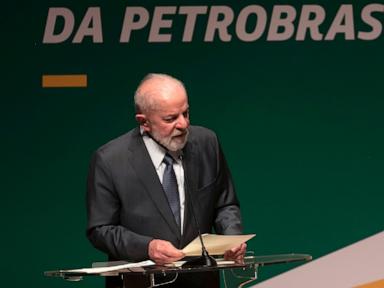
Brazil just found oil near the mouth of the Amazon River. President Lula calls it a "passport to the future." But it’s not that simple.
Petrobras confirmed the discovery in ultra-deep waters off the coast of Amapá earlier this month. They detected hydrocarbons in an exploratory well. While the company says it’s too early to confirm commercial viability, the news has sparked a massive debate. Brazil’s pre-salt fields are hitting their peak production soon. The state-owned giant needs new reserves to stay relevant past 2034.
This isn't just about geology. It’s about energy sovereignty, climate politics, and the messy reality of balancing national income with environmental protection.
The Equatorial Margin Frontier
The area in question is known as the Equatorial Margin. It’s a massive stretch along the Brazilian coast that industry experts have eyed for years. Think of it as the final frontier for offshore drilling in the region.
Why all the excitement? Neighbors like Guyana and Suriname have already struck gold—or rather, oil—in similar formations. Petrobras has drilled over 700 wells in this general zone over the years. They have the technical expertise to operate in deep water. They’ve done it in the Campos and pre-salt basins.
But doing it here is different.
The Environmental Cost of the Passport
Critics aren't buying the "passport to the future" narrative. Environmental groups and local communities have been sounding the alarm for years. The mouth of the Amazon isn't just a river exit. It’s a complex, delicate ecosystem.
There’s the Great Amazon Reef, a mesophotic coral system that isn't fully understood. Some scientists argue that any drilling activity—let alone a catastrophic spill—could devastate the region’s biodiversity.
It’s not theoretical, either. In January 2026, a leak occurred at a drilling site nearby. About 15,000 cubic meters of drilling fluid escaped into the ocean. Petrobras halted operations, but the damage was done. It reinforced what activists have been saying: the risks are too high.
The Climate Paradox
Lula finds himself in a difficult spot. He wants to lead the transition to renewable energy. He’s a vocal advocate for fighting climate change. Yet, here he is, championing new fossil fuel extraction.
He argues that Brazil will continue to lead in biofuels and renewable energy regardless of this drilling. The government’s stance is that they can't simply turn off the tap on national development. They need the revenue to fund the broader transition.
It’s a classic development versus sustainability standoff.
What This Means for You
If you’re watching the markets or the global energy supply, here is the reality:
- Long-term supply matters: This discovery won't lower gas prices tomorrow. It’s years away from production, assuming it’s even profitable.
- Regulatory hurdles remain: Petrobras has already faced license rejections in the past. Even with this find, getting the permits to scale up won't be a walk in the park.
- Political risk is high: With elections looming, this project is a lightning rod. Expect more lawsuits, more protests, and more policy swings.
Investors should look at the Equatorial Margin project through a lens of extreme volatility. The technical capability is there, but the "social license to operate" is fragile.
If you want to track the real progress, keep an eye on the official IBAMA environmental licensing updates rather than just political rhetoric. That is where the actual project lives or dies.
Brazil is betting big on its ability to drill safely. History suggests they have a long way to prove that to the rest of the world. Don't expect this to settle down anytime soon.
Petrobras exploration updates offer the most direct view into how this is progressing. Check them if you really want to see if this is just talk or a massive new engine for the Brazilian economy.
New oil find in the Amazon provides a glimpse into the local environmental concerns surrounding these drilling activities. This video is relevant because it highlights the risks to the fragile ecosystem near the Amazon mouth that activists are worried about.