Elections in Brazil are shifting. Candidates aren't just talking about inflation or taxes anymore. They are zeroing in on gender violence because women make up fifty-three percent of the electorate. That means nobody wins the presidency without winning women voters over.
Take Senator Flávio Bolsonaro's recent campaign stop. Clutching an oversized knife onstage, he vowed to inflict chemical castration on rapists and child abusers. It drew thunderous applause from the crowd. It is raw, aggressive theater designed to capture attention in a crowded race. But it highlights a grim reality. Gender-based violence is a massive political issue in the country.
President Luiz Inácio Lula da Silva is taking a different approach. Lula is focusing on institutional pledges. He wants a country free of femicide where no woman lives under the threat of violence inside or outside the home. The battle lines are drawn. Both sides know that female voters hold the key to victory.
The Power of the Female Electorate
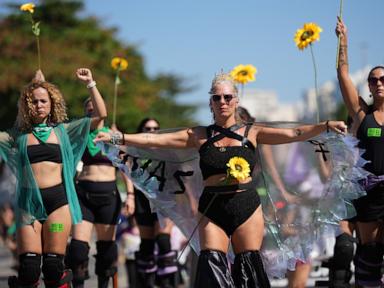
Women in Brazil are exercising unprecedented political muscle. In past cycles, campaigns often treated women's issues as an afterthought. Not anymore. Movements like Levante Mulheres Vivas are shifting the dynamic entirely. Co-founder Rachel Ripani points out that women are starting to recognize their true leverage. They refuse to let their ballots be manipulated by empty rhetoric.
Instead of toeing strict party lines, women's advocacy groups are demanding real accountability. They want candidates who understand their lived experiences. They want policies that actually protect lives.
Pledges Versus Reality
Promising harsh punishments plays well on a noisy campaign stage. We see politicians brandishing props and shouting tough-on-crime slogans. But experts argue that theatrical gestures do little to fix systemic failures. Femicide rates remain stubbornly high. Law enforcement agencies often struggle to handle protection orders effectively.
Voters are tired of theatrical promises that never translate into street-level safety. When you look past the stagecraft, the core demand is simple. Women want functioning support networks, faster judicial responses, and reliable protection.
What Comes Next for the Campaign
The race is extraordinarily tight. Every speech, prop, and policy proposal is measured by how it plays with female voters. You can expect both camps to double down on security promises as election day approaches.
If you're following Latin American politics, watch the voter turnout numbers closely. The candidate who successfully convinces women they will be safe will likely take the presidency. The days of ignoring half the electorate are officially over.