Nearly 160 million citizens are heading to voting booths across Brazil today, deciding far more than just the occupant of the presidential palace. Incumbent leader Luiz Inácio Lula da Silva wants an unprecedented fourth term, but he faces fierce resistance from Flavio Bolsonaro, carrying the banner for the conservative right. It's a high-stakes showdown that splits a massive nation down the middle.
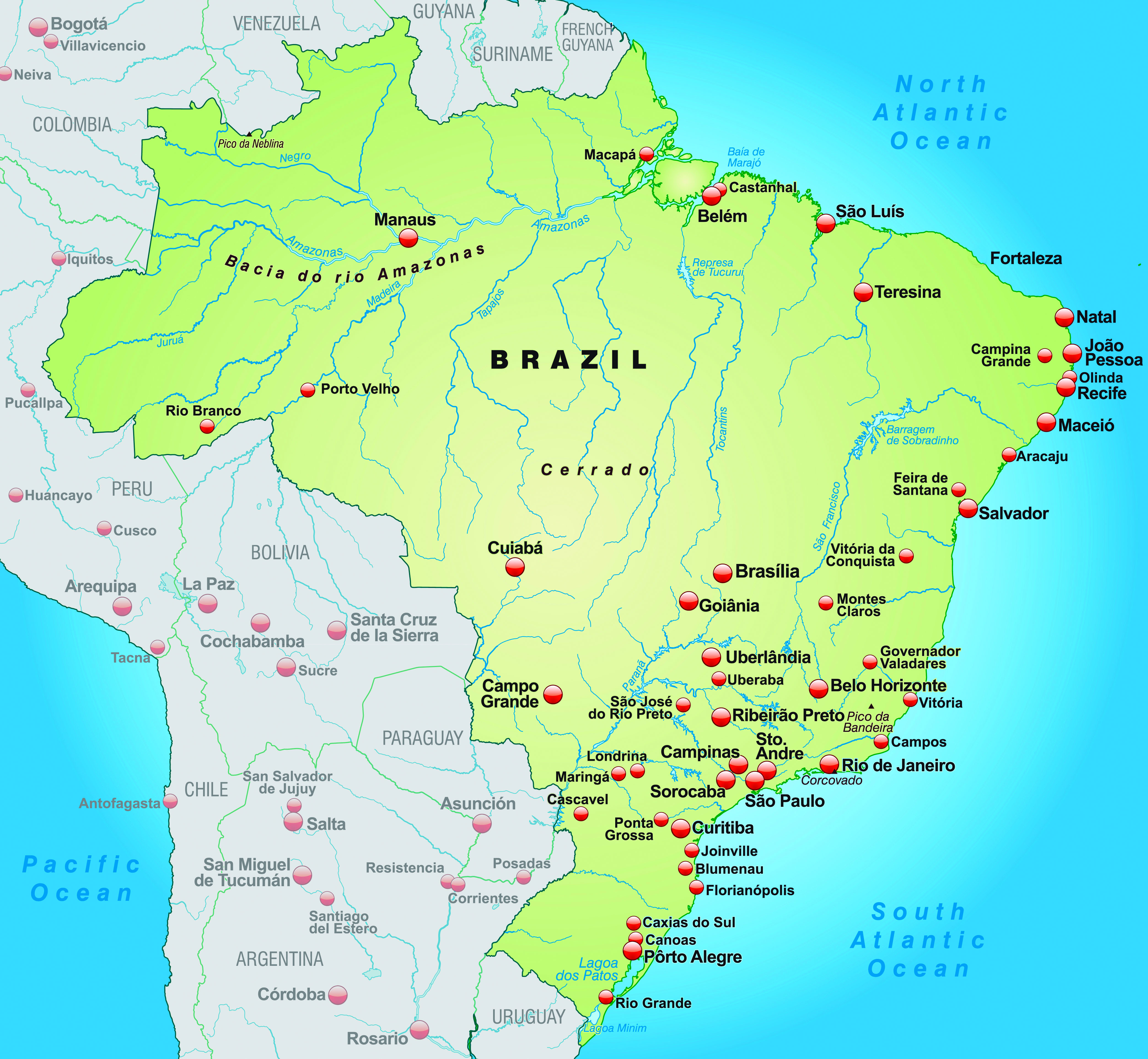
You can feel the tension on the streets of Brasília, São Paulo, and Rio de Janeiro. Security is tight. Polling stations opened at 8 am local time and will wrap up by 5 pm. The outcome of this election dictates economic policy, environmental protection in the Amazon, and Brazil's geopolitical footprint for years.
The Stakes of a Divided Nation
Brazil isn't just voting for a president. Voters are picking governors, senators, and federal legislators at the same time. This creates a messy web of political alliances that will either handcuff or empower whoever wins the top job.
Lula's campaign focuses heavily on social welfare programs, poverty reduction, and restoring Brazil's diplomatic standing on the global stage. His supporters credit him with stabilizing the economy and protecting marginalized communities. Critics, however, point to persistent inflation, corruption scandals, and government spending that they argue hurts long-term growth.
On the other side, Flavio Bolsonaro has mobilized millions of right-wing voters who feel alienated by leftist policies. Running on a platform of law and order, traditional family values, and free-market reforms, Bolsonaro's camp has tapped into deep-seated frustrations among rural landowners, evangelical Christians, and urban middle-class workers.
What Makes This Race Different
Past elections in Brazil followed predictable ideological lines, but the 2026 race feels different. Voters are weary of political polarization, yet they're doubling down on it anyway. Social media has accelerated the spread of misinformation, turning neighborhood chat groups into digital battlegrounds.
Economic anxiety drives most voters to the polls. Even though Brazil's GDP has shown pockets of resilience, everyday folks feel the pinch at the grocery store and the gas pump. When the cost of basic goods climbs, incumbency becomes a dangerous game. Lula knows this. That's why his rallies emphasized job creation and price controls, while the Bolsonaro camp hammered home the message of fiscal responsibility and personal freedom.
The Regional Ripple Effect
Brazil acts as the economic heavyweight of South America. Whatever happens in Brasília echoes from Buenos Aires to Bogotá. A victory for Lula solidifies a left-leaning bloc across major Latin American economies, influencing trade agreements and environmental summits. A win for the Bolsonaro camp shifts the continent sharply to the right, altering diplomatic ties with Western powers and Asian trade partners alike.
Electoral courts are monitoring voting machines closely to ensure a smooth, transparent count. Given the razor-thin margins projected by pollsters, expect a long night of counting ballots. The real work begins tomorrow, when the winner has to govern a deeply fractured country where half the population voted for the other guy.


