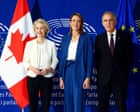
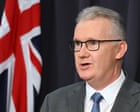
Foreign policy rarely turns on a single personality, but right now, it basically does. When Narendra Modi stands up to host Vladimir Putin and Xi Jinping, Washington is the uninvited ghost sitting in the room. Everyone knows it. Nobody says it out loud.
You can look past the ceremonial handshakes and grand photo-ops in New Delhi, but you cannot escape the underlying anxiety. Donald Trump’s return to American trade belligerence and tariff threats changes the entire arithmetic for emerging economies. Brics used to be a loose club for developing nations wanting a seat at the financial table. Now it is turning into an emergency shelter against Washington's economic weaponization. Building on this topic, you can find more in: Why The Iran Conflict Is Turning Into America Next Forever War.
Let us break down what is actually happening behind closed doors. Modi is walking a tightrope. He needs Russian oil to keep domestic inflation from exploding, and he needs a working diplomatic line with Beijing despite a decade of bitter border skirmishes. At the same time, India relies heavily on Western technology, intelligence sharing, and capital markets. Trump does not like nuance. His administration views non-aligned hedging as borderline hostility.
Xi Jinping sees blood in the water. Beijing wants to de-dollarize global trade as fast as humanly possible. They are pushing local currency settlements, alternative payment systems, and an expanded Brics membership bloc to bypass SWIFT and American sanctions. For Xi, Trump's aggressive protectionism is a goldmine. It hands Beijing a ready-made narrative to convince the Global South that the US-led order is broken, unstable, and predatory. Observers at Reuters have also weighed in on this situation.
Putin is smiling for the cameras because he desperately needs friends. Cut off from Western finance, Russia depends on Asian markets to prop up its wartime budget. Hosting Putin in India while Western capitals bristle sends a clear message. New Delhi puts its own energy security ahead of transatlantic moralizing. Yet, it creates a massive headache for Indian diplomats trying to maintain friendly ties with the Pentagon.
What most mainstream coverage misses is the sheer fragility holding this block together. Brics is not a tight military alliance like NATO. It is a shotgun marriage of convenience between geopolitical rivals. India and China despise each other's territorial ambitions. Brazil and South Africa have entirely different domestic priorities. The only glue keeping them at the same table right now is shared apprehension over unpredictable American leadership.
Trump's tariff blueprint creates panic across developing manufacturing hubs. If the White House slaps universal baseline tariffs on imports, exporting goods to the US becomes a high-risk gamble. Nations are scrambling for alternative demand sinks. They are trading more among themselves, signing bilateral currency pacts, and stockpiling gold.
If you are running a multinational business or watching global markets, ignore the official press releases about economic cooperation. Watch the currency flows instead. Watch how nations clear oil, steel, and technology purchases outside the US dollar. That is where the real war is being fought.
India wants to play the ultimate balancing act. Modi wants to be the voice of the Global South without alienating Western capital. But when the world's most powerful populist threatens massive trade penalties, neutrality gets expensive.
Expect more friction, sharper rhetoric, and hurried backroom deals. The shadow won't lift anytime soon. Prepare your portfolio and your supply chains for a splintered global economy where old alliances don't count for much anymore.