Stepping into Gene Kelly's famous yellow-slicker footsteps is no joke. Yet British actor Ashley Day takes on that exact weight every night at the Théâtre du Lido on the Champs-Élysées. Paris has a new theatrical monster hit on its hands, and it proves that 1920s Hollywood chaos translates shockingly well to the French capital.
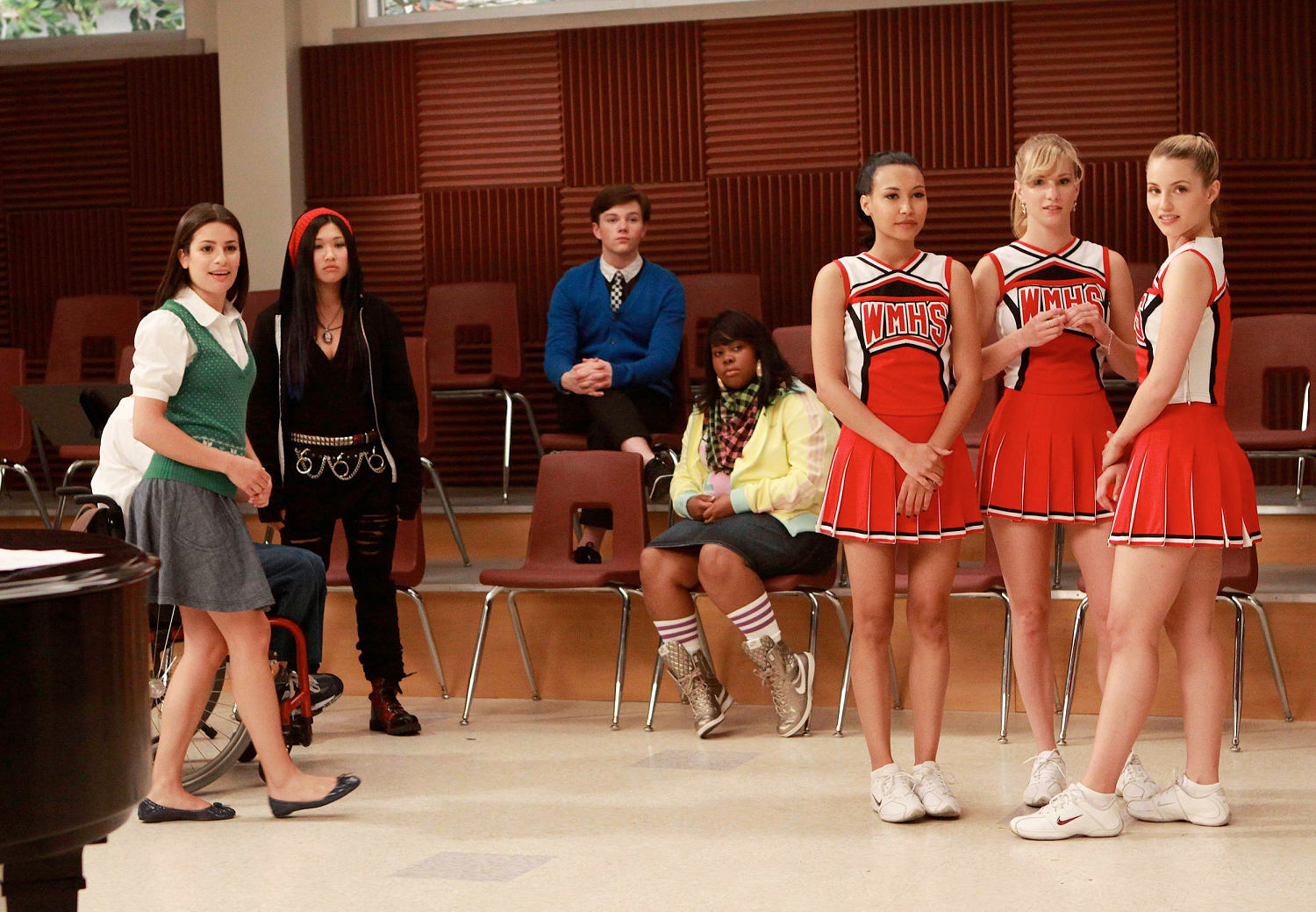
If you think you've seen every iteration of Hollywood's greatest movie-musical export, think again. Robert Carsen’s direction gives the production an energy that avoids feeling like a dusty museum piece. Running through January 10, 2027, the adaptation tackles a massive physical challenge right in the heart of Paris. Recently making waves recently: Why The New Glee Revival Is Actually Happening Now.
The Logistics Behind Recreating a Cinematic Milestone
Moving a legendary film onto a physical stage creates immediate engineering hurdles. You cannot fake live water falling onto a historic theatre floor while performers execute intricate tap routines. The production utilizes roughly 240 custom-made costumes, transforming the iconic cabaret venue into a bustling studio lot from the era of silent cinema's abrupt death.
When talking pictures arrived, Hollywood panicked. Actors with squeaky voices crashed and burned. Studio executives scrambled. Carsen leans hard into this industrial panic rather than turning the evening into a pastel-tinted cartoon. Alongside Ashley Day as Don Lockwood, Maddie Waller takes on Kathy Selden, while Charlie Waddell steps into the role of Cosmo Brown. The international cast doesn't just mimic the 1952 film frame-for-frame; they rebuild the physical comedy from the floor up. Additional information on this are detailed by Rolling Stone.
Why Stage Adaptations Usually Fail (And How This One Survives)
Most movie-to-stage transfers die a quiet death because they rely entirely on nostalgia. Audiences pay heavy ticket prices to see a copy of a VHS tape they watched with their parents. This production dodges that trap by focusing heavily on physical discipline.
Rebecca Howell's choreography demands absolute precision. Tap dancing leaves zero room for error. When you have a live orchestra driving the rhythm underneath heavy choreography, any slip-up stands out immediately. The cast delivers a level of execution that keeps the pacing tight across two hours.
You also have to look at the venue itself. The Théâtre du Lido has a storied history of grand spectacles. Placing a golden-age Hollywood satire inside a legendary Parisian venue creates an interesting meta-layer. You sit in a room built for theatrical excess, watching actors play silent-film stars who are panicking about the future of entertainment.
What to Expect If You Grab a Ticket
Tickets start around forty-five euros, depending on the night and seating category. Performances are in English with French surtitles, catering to a mixed crowd of locals and international travellers.
If you go, expect a loud, vibrant experience. The orchestra is massive. The water effects during the title song are handled practically, splashing right across the stage apron. Dress warmly for the autumn and winter winds along the Champs-Élysées, but expect to leave the theatre humming tunes you didn't even realize you knew by heart.
Check the official Lido 2 Paris box office for remaining dates before the run closes in January. Skip the third-party resale markups and grab standard seats early if you want a decent view of the choreography up close.