Imagine having to pack your sacred deities into grocery bags, stuff them into your car trunk, and drive two hours to Wembley just to celebrate a major festival. When Monday morning rolls around, you pack them up again and store them in a cold garage.
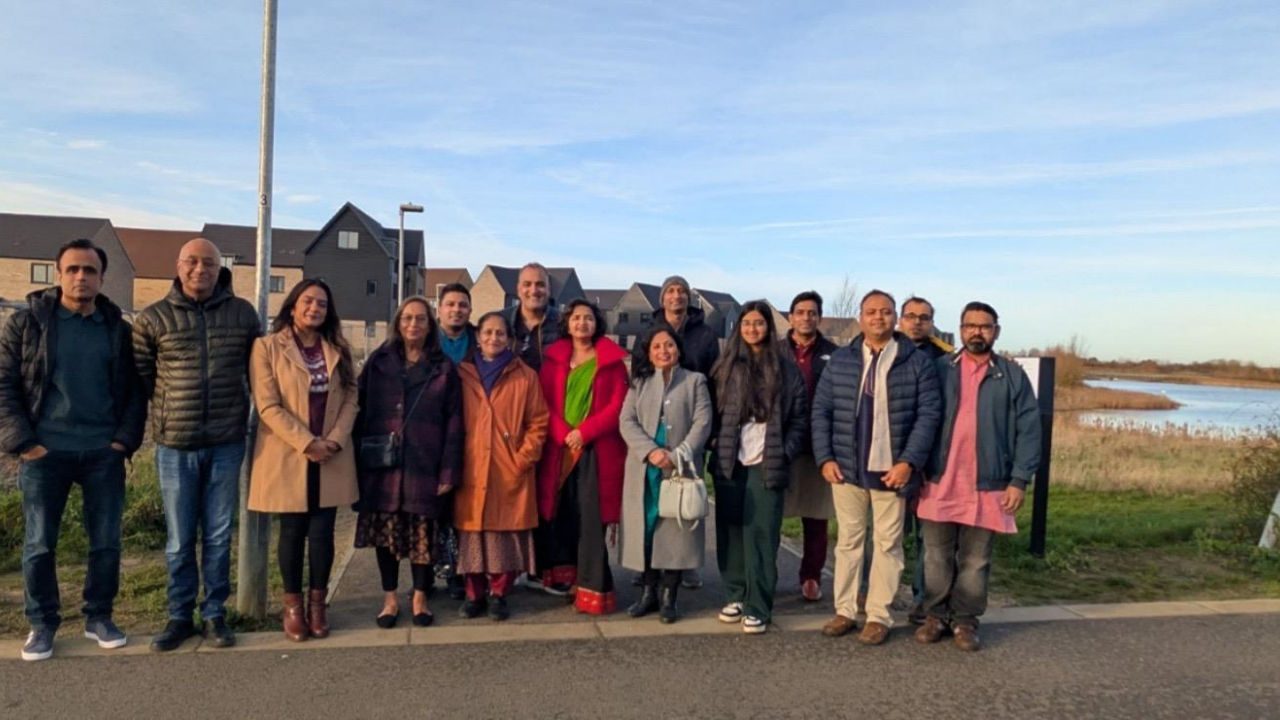
This isn't a hypothetical headache. It's the reality for around 150 Hindu families living in Northstowe, a newly developed town in Cambridgeshire.
The local community thought they finally had a shot at changing this. They applied for a 0.25-hectare plot of land dedicated to faith use. Instead, South Cambridgeshire District Council handed that land over to the Northstowe Church Network on a 999-year lease for a token peppercorn rent. The Christian group secured the bid by partnering with Northstowe Muslims as an anchor tenant, leaving the local Hindu charity completely empty-handed.
It's a massive blow to a community that doesn't have a single dedicated temple in the entire county.
The Flawed Logic of Council Scoring Sheets
Local authorities love to talk about diversity and community cohesion. Yet, when it comes down to actual property allocation, they rely on rigid, corporate scoring systems that naturally favor established organizations over grassroots groups.
The South Cambridgeshire District Council rated the Northstowe Church Network’s bid at 81%. The Hindu Samaj Northstowe bid scored just 65%.
Why the gap? The council marked down the Hindu proposal because it lacked a "financial track record."
Think about how absurd that is. Hindu Samaj Northstowe is a localized grassroots charity run by residents trying to build their very first community space. Of course they don't have a decades-long financial portfolio or an existing corporate balance sheet. They were never given guidelines stating they needed to provide pre-prepared architect quotes or advanced financial audits.
By contrast, the Northstowe Church Network is backed by institutional structures with deep pockets and professional bid writers. It’s an uneven playing field disguised as a fair bureaucratic process.
A Cultural Erasure for the Next Generation
This isn't just about a plot of dirt. It's about identity.
When a community has no physical space, its traditions become invisible. Young British Hindus living in these areas are growing up entirely disconnected from their heritage. They see their cousins in India celebrating major festivals with massive communal gatherings, while they're stuck trying to fit a sacred ritual into a rented, time-restricted municipal hall that closes before midnight.
You can't host overnight prayers for Shivratri or set up traditional holy fires when you're on a strict two-hour booking slot at a local leisure center.
The frustration is boiling over for parents too. Many who migrated to the UK for career opportunities are openly wondering if they made a mistake. They're watching their kids grow up without the communal support system that a local temple naturally provides.
The Growing Trend of Local Faith Bidding Wars
The situation in Northstowe isn't a one-off incident. It's part of a much larger, structural crisis across the UK where minority faith groups are forced to compete for a rapidly shrinking pool of public assets.
Look just a few miles down the road at Peterborough. The Bharat Hindu Samaj temple has operated out of its Rock Road site since 1986, serving as the principal place of worship for Hindus across eastern England. In early 2026, the Peterborough City Council quietly sold the freehold of that very building to an outside organization, the United Kingdom Islamic Mission, after they promised to beat any cash bid by 5%.
That case triggered an emergency High Court review because the council completely ignored its obligations under the Equality Act 2010.
Whether it's an outright sale of an existing temple in Peterborough or a flawed bidding process in Northstowe, the theme is identical. Local councils are viewing public land through a purely commercial or bureaucratic lens. They're completely ignoring the severe, localized shortage of Hindu infrastructure.
While Cambridgeshire has dozens of established churches and mosques, it has zero Hindu temples. If councils truly cared about equitable community distribution, correcting that zero would be a priority, not an afterthought.
What Grassroots Groups Must Do Differently
If you're part of a local community group trying to secure a asset from a UK council, you can't rely on the moral weight of your cause. You have to beat them at their own bureaucratic game.
- Treat the bid like a corporate tender. Don't just explain your spiritual or social need. Hire a freelance project manager or architect early to draft professional, ready-to-go plans.
- Build an explicit financial roadmap. If you lack a corporate history, secure written financial backing pledges from established regional temples or national organizations beforehand.
- Demand transparency early. Force the council to hand over the exact scoring rubric before you write a single line of your proposal. If they refuse, use Freedom of Information acts to see how previous bids were judged.
The Hindu Samaj Northstowe is currently reviewing whether to launch a formal legal appeal against the council's decision. Given the lack of clear guidelines provided to them during the bidding window, they have every right to demand a full audit of how those percentage scores were calculated.