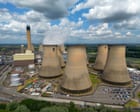
The race to build artificial intelligence infrastructure is colliding with hard physical limits, and nobody in tech wants to talk about it. Look at North Yorkshire. Drax, a major energy company, wants to convert part of its massive biomass power station into a massive data center to feed the unquenchable power demands of modern computing clusters.
The numbers are staggering. Recent analysis from the Natural Resources Defense Council reveals that this single facility could require burning 4.9 million tonnes of wood every year. That translates to roughly 8.6 million tonnes of carbon dioxide annually. To put that in perspective, it is nearly double the yearly emissions produced by every single flight departing from Gatwick Airport. For a closer look into this area, we recommend: this related article.
Tech giants keep pitching artificial intelligence as a clean, weightless revolution. It is anything but clean. Behind every smooth chat interface and automated coding assistant sits a physical machine drawing thousands of watts. Server farms require continuous, heavy electricity to run processors and massive cooling systems. Across the UK, hundreds of data centers sit in queues waiting to connect to the national grid. Their combined demand equals nearly double the peak winter energy requirements of the entire country.
The core dispute centers around how energy generation is accounted for on paper versus reality. Drax argues that burning wood pellets is carbon neutral or even net negative because new trees will eventually absorb the released carbon. Independent scientists and environmental groups reject this logic entirely. Research shows that recovering the carbon debt from burning mature timber can take more than a century. By the time replacement forests catch up, the atmosphere has already absorbed the damage. For broader context on the matter, comprehensive coverage can also be found at The Verge.
Policy makers are scrambling to catch up. Some regions are hitting pause on new digital infrastructure until national strategies can catch up with reality. Scotland enacted a temporary freeze on new data center planning applications. Westminster faces mounting pressure to implement strict minimum energy standards and stop greenlighting facilities that rely on heavy wood burning. Without intervention, these facilities threaten to obliterate national carbon reduction targets.
Building digital sovereignty should not mean sacrificing the climate. If the technology sector wants public license to expand, it needs to find genuine renewable power sources instead of burning millions of trees to keep servers cool.


