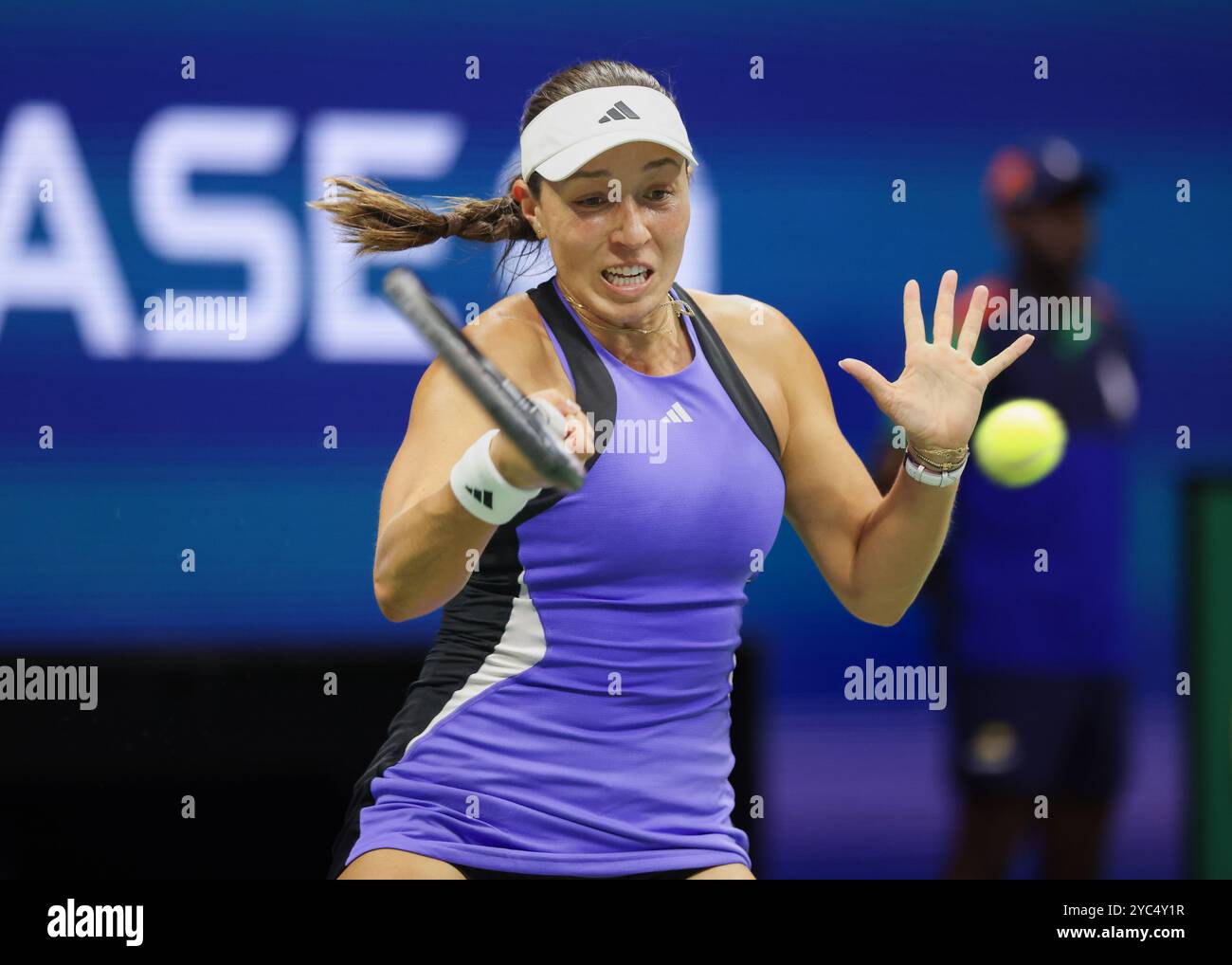
You see a young powerhouse like Linda Nosková dominate a hard-court swing or make a deep run at a major, and you immediately think you can project her trajectory using basic Elo ratings or surface-win percentages. I've seen analysts blow thousands on automated data subscriptions or spend entire weekends building complex predictive sheets, only to watch their models get completely dismantled by a single tactical tweak or a sudden shift in court speed. They treat tennis scouting like a stock market index, missing the gritty, granular variables that actually dictate professional success on the WTA tour. If you're building a performance model or trying to understand how elite prospects transition into multi-surface threats, you have to strip away the mainstream hype and look at the real mechanics of the sport.
Misunderstanding the True Cost of Surface Specialization
The biggest mistake people make when evaluating a talent like Linda Nosková is assuming that hard-court prowess translates automatically across every surface without a distinct mechanical transition. Analysts look at raw win rates on acrylic or asphalt and project clean upward curves for clay and grass, ignoring the massive disparities in biomechanical load and sliding technique.
When a player moves from the slower European red clay to slick grass courts, footwork adjustments require an entirely different kinetic chain. Treating all surfaces as equal data points destroys the accuracy of any predictive model. The fix is simple: segment your data strictly by surface speed and bounce height rather than broad category tags. Look at how a player handles low-skidding balls versus high-bouncing topspin, and weight your performance metrics accordingly.
Ignoring Match-Level Pressure Metrics for Raw Pacing
Most casual observers judge a match by total points won or unforced error counts, completely overlooking how a player performs under extreme scoreboard duress. I've watched countless analysts build projections based on overall game differentials, ignoring the micro-statistics that actually decide tight tiebreaks and deciding sets.
A player might dominate routine service games against lower-tier qualifiers, inflating their statistical profile, but collapse the moment they face break points against elite defenders. To fix this, you have to filter out the noise of blowouts and isolate performance strictly in high-leverage situations—specifically first-serve conversion under pressure and break-point save rates. That is where matches are actually won or lost on the tour.
The Flawed Logic of Linear Career Trajectories
Another expensive trap is assuming that young athletes follow a neat, upward-sloping performance curve from year to year. People look at a breakout quarterfinal run at a Grand Slam or a rapid rise into the top 30 and extrapolate that growth linearly into the top five, ignoring the physical burnout and tactical adaptation phases that inevitably occur.
Take a look at how this plays out in a real scouting scenario:
- The Wrong Approach: An analyst sees a 20-year-old rising star rack up 40 wins in a season, calculates a flat 15% year-over-year improvement rate, and blindly forecasts deep runs in every mandatory WTA 1000 event for the next three years.
- The Right Approach: A seasoned practitioner accounts for the mandatory sophomore slumps, physical adaptations required to withstand a full 70-match calendar, and how opponents fundamentally alter their tactical approach once a rising talent becomes heavily scouted on tour.
Misinterpreting Service Metrics Without Context
It's easy to look at an ace percentage or first-serve points won statistic and assume you've found an untouchable weapon. However, raw serving numbers lie constantly if you don't factor in opponent return quality and court altitude.
An elite first-serve percentage against players with weak return depth means very little when facing top-tier returners who neutralize pace instantly. When analyzing a heavy server, you must cross-reference ace frequency with opponent return rating and second-serve points won under duress. If the second serve lacks bite, high first-serve percentages will plummet the moment the player faces a tactically disciplined counter-puncher.
Underestimating the Physical Toll of Doubles and Scheduling
Many observers treat singles and doubles as completely isolated silos, wondering why a player's singles form dips drastically midway through a demanding European swing. The reality is that deep runs in doubles accumulate hidden fatigue—extra hours on court, delayed recovery windows, and compromised training blocks.
If you're evaluating a player's physical readiness for a major tournament, you cannot look at singles draws in a vacuum. You have to track cumulative weekly court time across both disciplines. Overlooking scheduling density is the fastest way to miscalculate an upset risk in early-round matches.
The Reality Check
Let's be completely frank: trying to model or predict professional tennis careers with absolute certainty is a fool's errand. Even with the best data feeds, proprietary tracking software, and years of courtside observation, variables like sudden injuries, coaching changes, and mental resilience remain fundamentally unquantifiable. If you're looking for a guaranteed formula or a shortcut to flawless player evaluation, you are in the wrong field. Success here requires relentless tracking of microscopic details, brutal honesty about the limits of statistics, and the willingness to throw out your entire model the moment the game evolves.