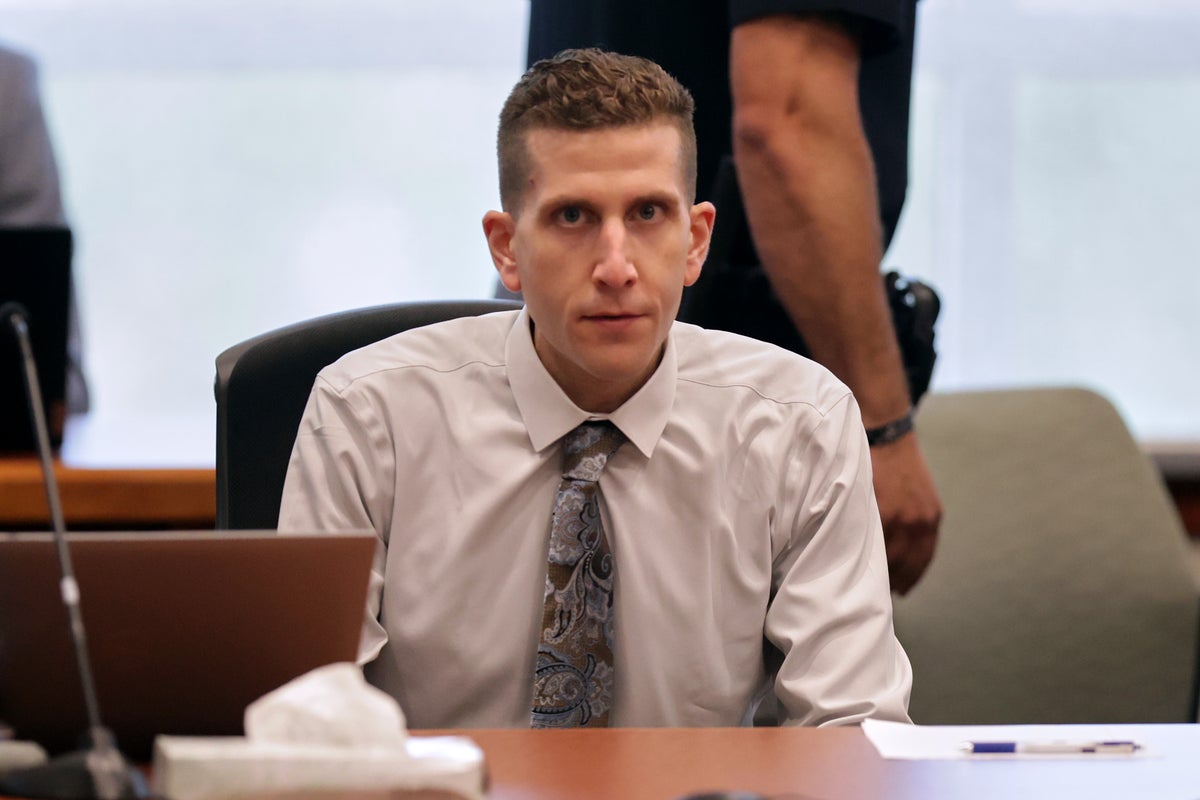
Bryan Kohberger wants a do-over. More than a year after trading a guilty plea for four consecutive life sentences to dodge the death penalty, the former criminology student is claiming he was tricked.
He filed a post-conviction relief petition in Ada County District Court, declaring that his actual innocence is his truth. He now claims that his defense attorneys, his own family members, and the state worked together to push him into a false confession through coercion, disinformation, and hidden evidence.
It is a stunning reversal. But legally, pulling off a successful plea withdrawal after sentencing is nearly impossible.
The Anatomy of a Regretful Plea
When Kohberger stood in an Idaho courtroom in July 2025, he answered a series of direct questions from Judge Steven Hippler. He acknowledged the burglary charges. He confessed to the brutal stabbing deaths of University of Idaho students Kaylee Goncalves, Madison Mogen, Xana Kernodle, and Ethan Chapin. He did it all under oath to take the death penalty off the table.
Now, representing himself, he is singing a completely different tune. In statements provided to the media, he calls the prosecution's case a work of fiction and demands a trial where he can face the death penalty once more.
His petition alleges specific missteps by his former legal team:
- They allegedly told him that actual guilt was irrelevant when considering a plea deal.
- They supposedly convinced him that execution on Idaho's death row was an imminent certainty.
- They allegedly withheld crucial details, including unknown clumps of hair found in victim Ethan Chapin's hands.
Why the Courts Usually Reject These Bids
Post-conviction relief is an uphill battle for anyone, let alone a high-profile quadruple murderer. Once a defendant enters a guilty plea and is sentenced, the legal system treats that confession with immense weight. Judges do not like buyers remorse.
To win a withdrawal, Kohberger has to prove that his constitutional rights were fundamentally violated or that his counsel was so grossly negligent that his plea could not possibly be considered voluntary. That is a massive evidentiary burden.
Legal experts point out that during the original plea hearing, defendants are heavily vetted by the bench. They must state clearly that they are entering the plea of their own free will, that they understand they are giving up their right to a trial, and that no one forced or threatened them. Kohberger checked every single one of those boxes on the record.
The Reaction from the Families
The families of the victims are reacting with fierce anger rather than shock. Steve Goncalves, father of victim Kaylee Goncalves, made it clear that they aren't intimidated by the prospect of a trial.
They pointed out that Kohberger chose to bypass a jury when the hard facts were staring him in the face. The mountain of evidence assembled against him—including DNA matching his profile on a knife sheath left at the Moscow, Idaho rental home, cell phone data tracking his movements, and surveillance footage of his white Hyundai Elantra—remains formidable.
The victims' families spent years preparing for a brutal public trial before the sudden plea deal blindsided them in the summer of 2025. Now, dragging the case back into the headlines forces them to relive the nightmare all over again.
Idaho prosecutors have thirty days to formally respond to the petition. Whether the court grants a hearing or tosses the motion out flatly, Kohberger has ensured that the shadow of the Idaho student murders will linger in the legal system for a long time.