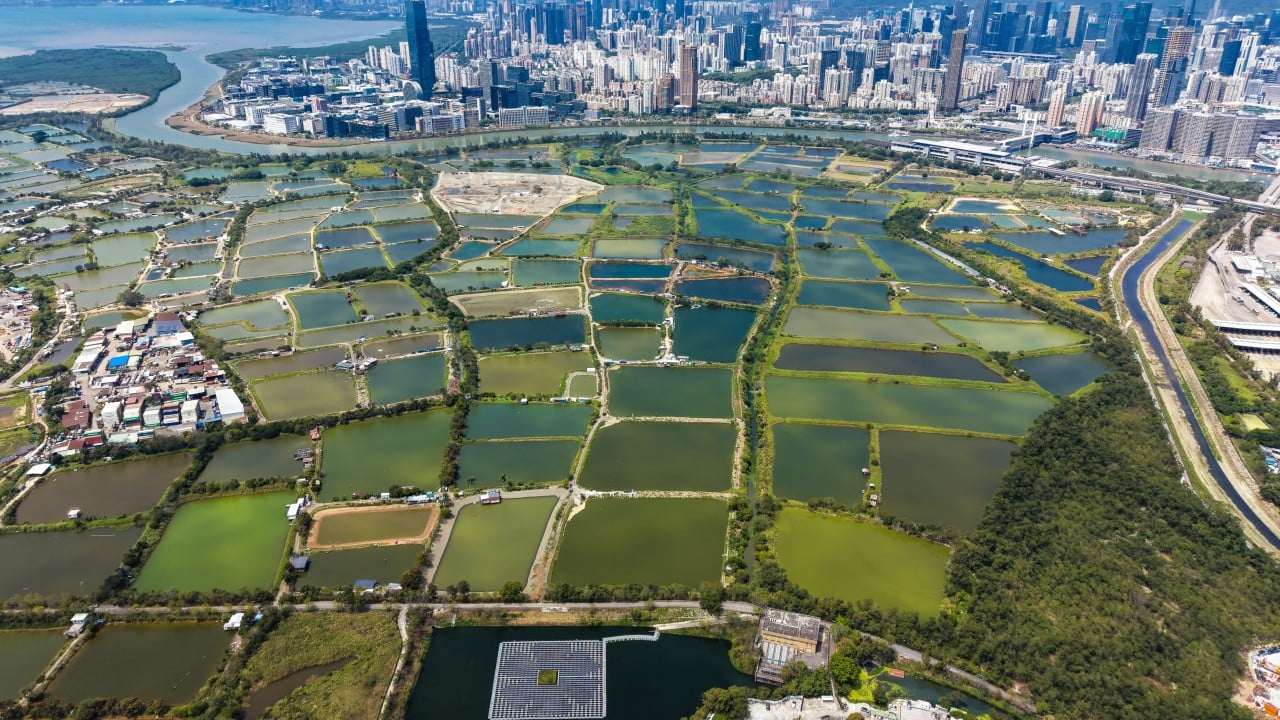
Hong Kong wants to build a world-class university town in its sprawling Northern Metropolis, aiming to anchor the city’s next economic chapter right up against the Shenzhen border. Officials are eyeing international models to figure out how to turn blueprints into thriving academic and commercial ecosystems. Everyone talks about Cambridge. They look at the historic colleges, the spin-off tech clusters, and the sprawling biomedical labs, hoping to copy the magic. But cloning a centuries-old British academic hub in a dense Asian metropolis requires confronting realities that glossy urban planning documents tend to gloss over.
The Real Lesson from Cambridge Isn't Architecture
When policymakers look at Cambridge, they usually see old stone buildings and bike lanes. That's a mistake. The real engine behind Cambridge's success isn't the masonry; it's the intense, organic collision between deep academic research and commercial risk-taking. For decades, the university operated as a closed loop of theoretical excellence until local leaders decided to clear the path for private enterprise, venture capital, and spin-off incubators.
If Hong Kong wants to replicate this in the Northern Metropolis, basic land allocation won't cut it. You can't just zone a massive plot of land, drop a few lecture halls onto the grid, and wait for high-tech startups to materialize. Academic institutions need total freedom to commercialize discoveries without getting bogged down by bureaucratic red tape. Real innovation happens when PhD students can walk down the hall, grab a coffee with a venture capitalist, and test a prototype in the same afternoon.
Bridging the Industry Gap
A major pitfall in modern urban planning is building the education sector in a vacuum. Too often, government-led mega-projects schedule universities for phase one and expect commercial tenants to show up five years later. That model fails every single time.
Take a look at how regional tech corridors operate across the border in Shenzhen. Speed, agility, and market-driven manufacturing define that ecosystem. For Hong Kong's new academic clusters to succeed, curriculum design must link directly with active industrial clusters from day one. If a university is building a facility in a designated innovation node, the surrounding space should already house the exact supply chains, microelectronics firms, or biomedical labs that students will eventually work with.
Why Land Constraints Demand a Radical Rethink
Cambridge sprawls across the English countryside with quiet green spaces and collegiate courtyards. Hong Kong doesn't have that luxury. Space is scarce, expensive, and intensely contested. Building a functional university town here means embracing high-density, multi-use vertical campuses where housing, research labs, and public transit merge seamlessly.
Students and young researchers shouldn't face a grueling two-hour commute just to reach a remote campus on the frontier. Affordable, integrated housing must sit at the absolute center of the plan. If young talent can't afford to live near the labs, the entire innovation district will flatline before it gets off the ground.
What Needs to Happen Right Now
Stop treating higher education as a public service cost center. Treat it as the primary anchor for future economic survival. Hong Kong must strip away legacy regulations that prevent universities from holding equity in their own research spin-offs. Empower academic leaders to act like startup founders. Align cross-border transit links so talent can flow without friction between Hong Kong research hubs and Shenzhen manufacturing floors.
Build the ecosystem around the people who actually do the work. Give students and researchers a stake in the local economy, cut the administrative friction, and let the physical spaces evolve based on actual market demand rather than rigid state-issued master plans.
Hong Kong Vision: Northern Metropolis: Centerpiece of a Futuristic Hong Kong
This video provides an in-place visual overview of the ambitious scale and spatial strategy behind Hong Kong's Northern Metropolis development, illustrating where these future innovation zones are taking shape.