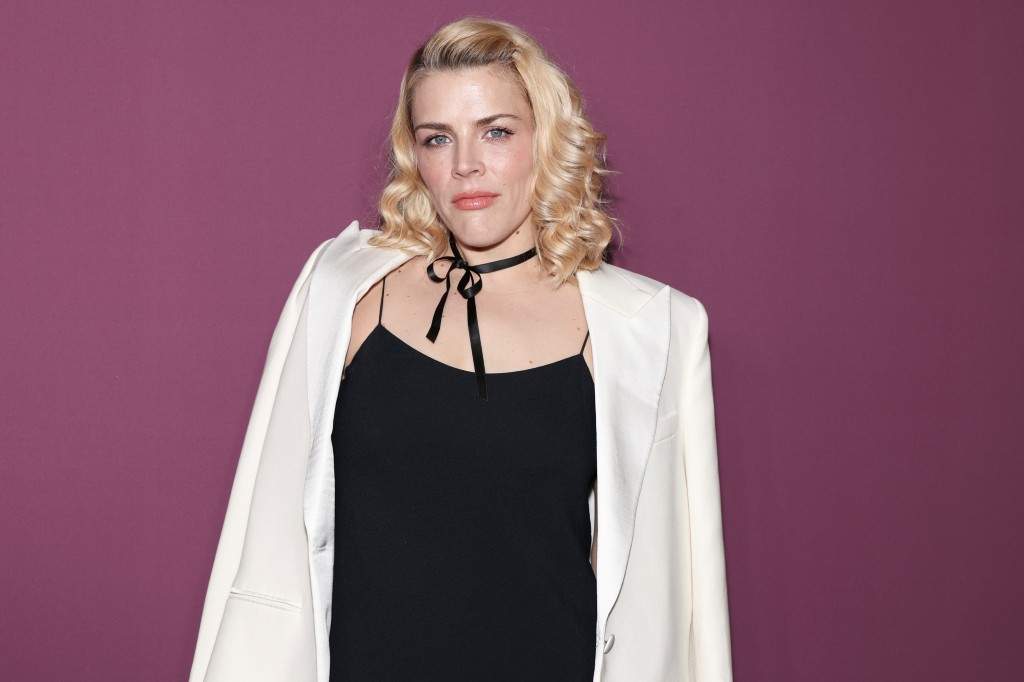
Life changes in the time it takes to look at a scan. Busy Philipps found out she had a malignant brain tumour completely by accident. She didn't go to the doctor because she was having violent seizures or crippling headaches. She went because she saw an advertisement on Instagram for a full-body MRI scan and felt a sudden pull to book it.
That gut feeling saved her life. For a different view, consider: this related article.
The actor, known for her work on Freaks and Geeks and Dawson's Creek, recently opened up about facing a Grade 2 oligodendroglioma. This type of slow-growing primary central nervous system tumour often hides in plain sight for years. Most people only find out they have one after a seizure forces them into an emergency room. Philipps bypassed that entire terrifying trajectory because she trusted an instinct and paid for a preventive Prenuvo scan.
What Is an Oligodendroglioma Anyway?
Let's look at the medical reality behind the headlines. Oligodendrogliomas are rare brain tumours that start in glial cells. They account for a small fraction of all primary brain tumours. According to the National Cancer Institute, around 60 per cent of patients discover them because they experience a sudden seizure. Other symptoms creep up slowly, including memory problems, chronic headaches, speech difficulties, or balance issues. Similar coverage on this matter has been published by BBC.
Because these symptoms mimic stress, aging, or routine migraines, people write them off for years. Dr. John Golfinos, Philipps' neuro-oncologist, pointed out that waiting until physical symptoms like seizures manifest would have caused the mass to double or triple in size. Early detection changed everything about her surgical outcome and recovery timeline.
The Heavy Toll of the Reality Check
Finding out you have a foreign mass sitting inside your skull rattles your core. Philipps got the definitive news from a neurologist right after her second MRI. The phrasing was blunt. The doctor told her the lesion was real, it was inside her brain, and it had to come out immediately.
Panic set in. She had to break the news to her children, Birdie and Cricket. Every parent dreads that conversation. She managed to anchor herself by offering them reassurance, telling her eldest daughter that her life wasn't the tragic movie where the mother passes away during high school senior year.
On March 2, surgeons performed a five-hour operation to remove and biopsy a 2.6-centimetre mass. The surgery went well, but the ordeal was far from over.
When Recovery Takes an Unexpected Turn
Surgery is only half the battle. A month into her healing process, a routine visit for cosmetic Botox turned into a red flag. Her dermatologist took one look at the incision site and refused to touch her forehead.
She had developed a staphylococcus infection in the wound. That meant a second surgery on April 27 to clean out the infection and remove a tiny titanium tack used to hold her skull bone in place during the initial procedure. It's a stark reminder that medical recovery is rarely a straight line. Little complications can pop up when you least expect them, turning a healing journey into another hurdle.
Why Preventive Scans Are Sparking Debate
Full-body scans and elective MRIs occupy a controversial space in modern wellness culture. Critics argue they drive up health anxiety, lead to unnecessary follow-up procedures, and cost a fortune out of pocket. Traditional medicine often relies on symptoms before ordering diagnostic imaging.
Yet stories like this flip the script. Philipps puts it plainly: information is empowering, not terrifying. When people push for answers and get dismissed by physicians who tell them nothing is wrong, intuition often proves correct.
If you're feeling persistent, nagging changes in your body that routine checkups miss, don't let anyone talk you out of seeking a second opinion or pushing for advanced diagnostics. Listen to your instincts. Sometimes a random scroll on social media leads you down a path that protects your future.
Take charge of your health advocacy today. Keep track of persistent anomalies, question routine dismissals from medical professionals, and never feel guilty for wanting absolute clarity about what is happening inside your own body.