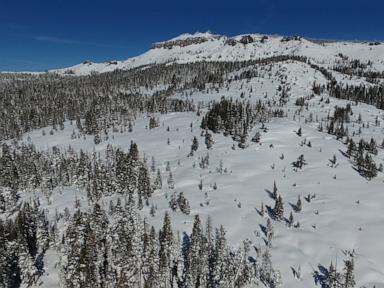
The recent news that Cal/OSHA hit Blackbird Mountain Guides with over $150,000 in fines following the February 2026 tragedy near Frog Lake sent a shockwave through the mountain sports industry. Nine people died that day. It was the deadliest avalanche in modern California history. Now, the state is making a pointed statement about responsibility in the backcountry.
For years, the guide industry lived by a simple, unspoken rule: the mountains are wild and inherently unpredictable. Guides operated under the assumption that if they followed standard protocols and held the right certifications, they were doing their job. Cal/OSHA just challenged that entire mindset.
What The State Actually Said
If you look at the citations, you’ll see the state isn't just pointing at bad luck. They’re targeting specific operational failures. The heaviest fine—$81,000—was for "failing to correct the imminent hazard posed by traveling in avalanche terrain when the avalanche danger was rated high."
Think about that for a second. In many circles, a "High" avalanche rating is seen as a caution to be extra careful, not necessarily a total stop. The state is essentially saying that if the danger is rated "High," moving through that terrain is a workplace hazard that an employer has a legal duty to avoid.
They also cited the company for:
- Failing to properly assess avalanche risks.
- Inadequate employee training.
- Missing protective equipment assessments.
- Failing to report employee deaths to the state in time.
The company has formally appealed, arguing that they were in compliance with industry standards and that mountain guiding isn't like a construction site where you can just shut down when things get dicey. They have a point. The wilderness is dynamic. Conditions shift in minutes, not hours. But the state's position is clear: the wilderness might be wild, but the employment relationship is governed by safety laws.
The Reality of Backcountry Decision Making
I’ve spent enough time in the snow to know that hindsight is cruel. It’s easy to look at a topo map after a disaster and pick apart a route. But in the field, when you’re managing a group, the pressure is immense. You’re juggling client expectations, weather windows, and the constant stress of the "unknowns" that hide under three feet of fresh powder.
The Sierra Avalanche Center report released earlier this year pointed out something damning: the group was traveling in a tight, packed line. Any backcountry veteran will tell you the first rule of avalanche terrain is spacing. You expose one person at a time to the danger. If a slide happens, you lose one, not nine. By moving as a group, they essentially turned a tactical mistake into a tragedy.
Why did they do it? Maybe it was a whiteout. Maybe the pace was lagging. Maybe they felt safer staying close together. But that’s the trap. Safety in the backcountry isn't about feeling close to your partners; it's about minimizing the "trigger footprint."
The Professional Standard vs The Law
The conflict here is between the "mountain standard" and the "regulatory standard." The American Mountain Guides Association produces some of the most capable, highly trained people on the planet. These guides are experts. They know snow science, rescue techniques, and navigation.
However, professional certifications don't grant immunity from workplace safety laws. This case marks a transition. We are moving toward a reality where "mountain experience" is no longer a shield against liability. If you are an employer—whether you run a ski school, a guide service, or a construction firm—the state expects you to mitigate risk to the same standard as any other industry.
Honestly, this is probably for the best. For too long, the "vibe" of the outdoors—that loose, adventurous spirit—allowed some companies to play fast and loose with basic risk management. When you charge people money to lead them into the wild, you aren't just a friend on a trip. You're a professional responsible for their lives.
What This Means For You
If you’re a client, you need to start asking harder questions before you sign a waiver. Don't just ask about the guide's certifications. Ask about their "hard limits." What does the company do when the avalanche rating is "High"? Do they have a policy that overrides the guide's personal decision to "give it a try"?
If a guide service tells you they "never cancel" or that they can "find a way" regardless of the forecast, run. That isn't bravery. That’s a gamble with your life.
If you’re in the industry, you need to update your Injury and Illness Prevention Program yesterday. The $500 fine for "Heat Illness Prevention Plan" deficiencies sounds small, but it shows that regulators are looking at everything. They are auditing your paperwork as closely as they are auditing your field decisions.
Moving Forward
We can't change what happened at Frog Lake. The industry will mourn those nine souls for a long time. But we can change how we operate. We have to treat the backcountry with the respect it deserves—not just as a playground, but as a dangerous workplace where the consequences of an error are absolute.
Stop prioritizing the "summit" or the "next ridge" over the safety of the group. If the conditions are bad, go home. There will always be another storm, another season, and another day to ski. If you’re a guide, remember that you are hired to make the hard choice, not the popular one. The law is watching now, but your duty to your clients should have always been the primary constraint.
Take a hard look at your risk protocols. Verify your insurance. Document your safety briefings. If you can’t defend your decision to an inspector in a courtroom, you shouldn't be making that decision in the mountains.